A New Era Unveiled: The Grand Egyptian Museum's Journey to Revitalize Egypt's Legacy

The Grand Egyptian Museum (GEM) in Cairo, Egypt, represents a monumental addition to the world's cultural and archaeological landscape. This institution, set to finally open its doors after two decades of planning and construction, has garnered attention as potentially the largest museum dedicated solely to a single civilization​​.

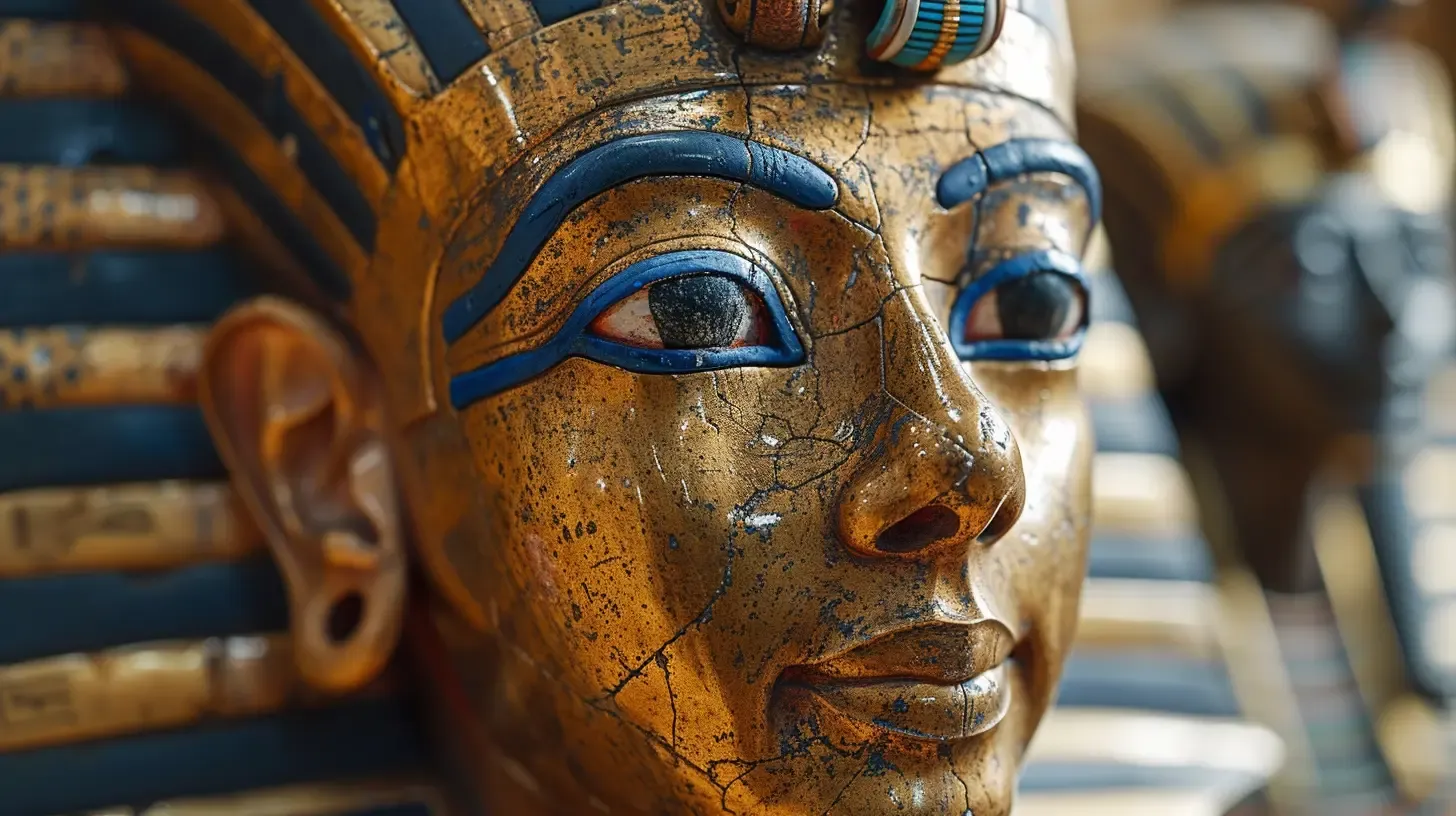
Strategically located between the iconic Great Pyramid of Giza and the city of Cairo, the GEM sprawls across a 120-acre site and is set to house 100,000 artifacts, with 20% of these being displayed to the public for the first time​​. This massive museum aims to showcase the richness of Egyptian history, featuring key highlights such as Tutankhamen’s sarcophagus and over 5,000 artifacts from his tomb discovered in 1922, a 30-foot-tall statue of Ramses the Great, and the fully intact Khufu ship, a solar barge buried around 2500 BC​​.

Designed by the Irish architectural firm Heneghan Peng, the GEM's construction faced numerous challenges, including financial crises and political unrest. Yet, its completion is a testament to Egypt’s dedication to preserving and showcasing its invaluable historical legacy. The museum is not just about displaying artifacts; it's an immersive exploration of culture and history, with more than 20 royal mummies and a comprehensive display of King Tut’s treasures, including items never before displayed publicly​​.

The GEM is expected to become a premier destination, attracting up to 15,000 visitors per day. It's seen as a beacon of education, preservation, and local engagement, with 19 restoration labs, a children's education space, and significantly reduced ticket prices for Egyptian citizens. This approach aims to unite the Egyptian people around their rich heritage and make it accessible to a global audience​​.

Moreover, the museum's opening is part of a broader initiative to boost tourism in Egypt. With nearby airport facilities enhancing accessibility, the GEM is poised to attract millions of visitors, helping to revitalize Egypt's tourism industry and economy. The Grand Egyptian Museum stands as a cultural milestone, celebrating Egypt's past while looking forward to a future where its history is preserved for generations to come​

A Monumental Achievement: Eiffel Tower Metal to Adorn Paris Olympics Medals

In an unprecedented move that bridges the gap between cultural heritage and athletic achievement, the Paris Olympic and Paralympic Games have announced that the medals awarded to the athletes will incorporate material from none other than the Eiffel Tower itself. This innovative approach not only symbolizes the city's rich history and global recognition but also marks a significant milestone in the integration of cultural identity into the realm of international sports.

The decision to include pieces of the Eiffel Tower in the medals is a testament to Paris's commitment to celebrating its iconic landmarks and history, as well as its dedication to sustainability and recycling. By repurposing materials from one of the most recognizable structures in the world, the organizers are setting a new standard for how major events can honor their host cities' heritage while also pushing the envelope in terms of creative and sustainable practices.

The inclusion of the Eiffel Tower in the medals serves multiple symbolic purposes. Firstly, it acts as a physical representation of Paris, allowing athletes to take home a piece of the city's heart and history. Secondly, it underscores the interconnectedness of culture, history, and sports, highlighting the role that each plays in shaping our global identity. Lastly, it sends a powerful message about the importance of sustainability, demonstrating that even the most monumental events can find ways to minimize their environmental impact.

Athletes who reach the podium in Paris will not only be celebrated for their exceptional skills and dedication but will also become custodians of a piece of French history. This innovative approach to medal design is sure to inspire future Olympic and Paralympic Games to explore similar initiatives that honor their host cities' unique cultures and histories.

As the world gears up for the Paris Olympics and Paralympics, the anticipation for this novel integration of culture and competition continues to grow. The Eiffel Tower, already a symbol of architectural ingenuity and timeless elegance, is set to embark on a new journey, from standing tall over the Parisian skyline to being proudly worn around the necks of the world's finest athletes. This bold initiative not only celebrates the past and present of Paris but also paves the way for a future where cultural heritage and athletic excellence go hand in hand.

The initiative to include pieces of the Eiffel Tower in the Paris Olympic and Paralympic medals is not just about creating a unique memento for the athletes. It is a broader statement about the fusion of tradition and modernity, and how major sporting events can contribute to a sustainable future while paying homage to their cultural roots. This approach opens up a conversation about the role of such events in promoting environmental consciousness among participants and spectators alike.

The process of integrating Eiffel Tower material into the medals involves meticulous planning and precision. The organizers have partnered with local artisans and sustainability experts to ensure that the extraction and incorporation of the iron do not harm the structural integrity of the tower or the environment. This collaboration highlights the potential for large-scale events to lead by example, demonstrating innovative ways to repurpose materials and reduce waste.

Moreover, this initiative is likely to enhance the experience of the athletes and the audience, adding an extra layer of significance to the medals. Knowing that the medal hanging around their neck contains a piece of one of the most iconic landmarks in the world is bound to be a source of immense pride and a reminder of their achievements and the unique context in which they were earned.

Beyond the athletes, this initiative also resonates with the millions of viewers worldwide, reinforcing the message that heritage and progress can coexist harmoniously. It showcases the Olympics and Paralympics as platforms for not only sporting excellence but also for innovation in sustainability and cultural preservation.

As we look forward to the Paris Games, the inclusion of the Eiffel Tower in the medals represents a landmark moment in Olympic and Paralympic history. It is a powerful symbol of the host city's identity and a forward-thinking approach to celebrating global unity, environmental stewardship, and the enduring spirit of competition. This bold move by the Paris organizing committee is sure to inspire future host cities to think creatively about how they can leave a lasting legacy that resonates both environmentally and culturally.

The Paris Olympics and Paralympics are poised to be remembered not just for the athletic prowess on display but also for their contribution to a broader dialogue about sustainability, cultural heritage, and the innovative ways in which we can honor both. As the world watches, the medals will serve as a tangible connection between the past, present, and future, embodying the spirit of the games and the eternal allure of Paris itself.

Holi: India's Exuberant Festival of Colors

Holi, often referred to as the Festival of Colors, is one of the most vibrant and enthusiastically celebrated festivals in India, marking the arrival of spring and the victory of good over evil. This ancient festival has roots that stretch deep into Indian mythology and cultural traditions, embodying joy, playfulness, and the renewal of relationships.

Mythological Origins and Cultural Significance

The origins of Holi are multifaceted, with its traditions and practices echoing ancient Indian mythology and cultural beliefs. One popular legend is that of Prahlad and Hiranyakashipu, where the devout Prahlad survives a fire that was meant to kill him, thus signifying the triumph of faith and goodness. This mythological tale is a cornerstone of Holi celebrations, symbolizing the victory of good over evil.

Another narrative revolves around the love story of Radha and Krishna, which adds a layer of romanticism to the festival. The playful throwing of colored powders is said to be inspired by the flirtatious acts of Krishna, who would color Radha and other Gopis, signifying the divine and playful love. This aspect of Holi emphasizes the joy of unity, love, and the blurring of social boundaries.

Celebrations Across India

Holi is celebrated with great fervor across the length and breadth of India, though traditions can vary regionally. The festival usually spans two days, starting with Holika Dahan on the eve, where bonfires are lit to symbolize the burning away of evil spirits. The following day, known as Rangwali Holi, sees the streets, homes, and public spaces come alive with people smearing each other with vibrant gulal (powdered colors) and throwing colored water through water guns and balloons.

In places like Mathura and Vrindavan, where Lord Krishna is believed to have grown up, the celebrations can last up to a week, with rituals, prayers, and dramatic re-enactments of the Radha-Krishna story enriching the festival's spiritual milieu. Here, the festivities are especially elaborate, drawing visitors from around the world to witness the spectacle of colors, devotion, and communal harmony.

Beyond the Colors: Food, Music, and Unity

Holi is also a time for indulgence in traditional delicacies and sweets like gujiya, thandai (a spiced milk drink), and bhang (a preparation from cannabis, which is legally consumed as part of the festivities in some parts of India). Music and dancing are integral to the celebrations, with traditional folk songs, drumbeats, and the latest Bollywood hits providing a soundtrack to the revelry.

Beyond its religious and cultural dimensions, Holi plays a significant role in fostering community spirit and social cohesion. The festival transcends age, gender, caste, and religious divides, bringing people together in a shared experience of joy and renewal. It serves as a reminder of the importance of forgiveness, love, and the enduring strength of good in the face of adversity.

Environmental and Social Considerations

In recent years, there has been a growing awareness of the environmental and health impacts of Holi celebrations, particularly concerning the use of synthetic colors. Efforts are being made to promote the use of organic, natural colors that are safer for skin contact and the environment. Additionally, social campaigns aim to ensure that the celebrations remain inclusive and respectful, advocating for consent before applying colors to others and promoting safety and respect for all participants.

Oktoberfest: A Global Tradition Rooted in Bavarian Culture

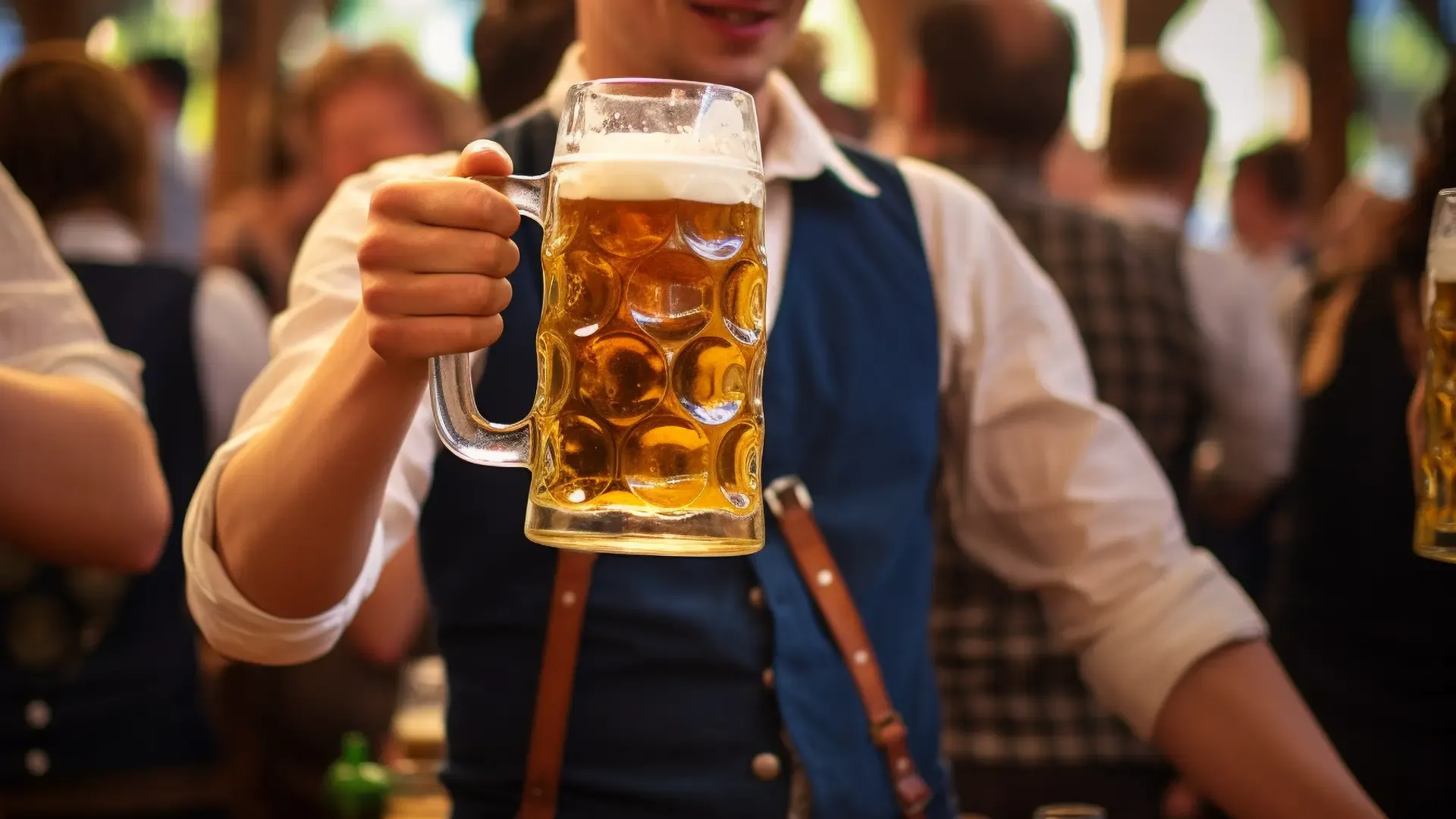
Oktoberfest, the world's largest Volksfest combining a massive beer festival and a traveling funfair, is an annual event that has become synonymous with Bavarian culture and zest for life. Its origins trace back to Munich, Germany, in the early 19th century, and over the years, it has evolved from a local celebration to a global phenomenon, drawing millions of visitors from around the globe to partake in the festivities.

The Historical Backdrop

The inception of Oktoberfest dates to October 12, 1810, when Crown Prince Ludwig, later known as King Ludwig I of Bavaria, married Princess Therese of Saxe-Hildburghausen. The citizens of Munich were invited to join in the celebrations held on the fields in front of the city gates, later named Theresienwiese ("Therese's Meadow") in honor of the crown princess. The event culminated in horse races, and the decision to repeat the horse races in the subsequent year gave birth to the tradition of Oktoberfest.

Evolution of the Festival

Over the decades, Oktoberfest has transformed significantly. The horse races were eventually phased out, but the festival continued to grow in size and scope, incorporating more attractions, games, and eventually becoming a showcase for Bavarian agriculture. By the late 19th century, the festival had begun to take its modern form with the establishment of large tents sponsored by Munich's breweries, serving beer crafted according to the Reinheitsgebot, or Bavarian Beer Purity Law of 1516.

Oktoberfest Today

Today, Oktoberfest is a 16- to 18-day festival running from late September to the first Sunday in October. It features dozens of massive beer tents, each capable of seating thousands of people, alongside an impressive array of carnival rides, parades, traditional Bavarian music, and performances. The festival is a testament to Bavarian traditions, with attendees donning lederhosen and dirndls to enjoy the myriad of fest beers, traditional foods like pretzels, Hendl (roast chicken), Würstl (sausages), and Knödel (potato or bread dumplings).

Cultural Significance and Global Influence

The cultural significance of Oktoberfest lies in its celebration of Bavarian culture, community, and the transition from summer to autumn. Its emphasis on communal dining, folk music, and traditional attire highlights the region's rich heritage and customs. Furthermore, Oktoberfest has inspired countless similar festivals worldwide, spreading the joy and camaraderie of the Munich event to international shores.

Conclusion

Oktoberfest is more than just a beer festival; it's a cultural phenomenon that celebrates Bavarian heritage, fosters global connections, and encourages people from all walks of life to gather and share in the joy of tradition, music, and, of course, beer. As it continues to evolve, the spirit of Oktoberfest remains unchanged, a testament to its enduring appeal and the universal desire for community and celebration.