Coffee A World of Flavor, Tradition, and Science

Coffee, one of the world's most beloved beverages, boasts a rich tapestry of history, variety, and a complex interplay with our health and daily rituals. This article delves into the fascinating world of coffee, from its origins to the best times and ways to enjoy it, the myriad of varieties available, its composition, and intriguing statistics that paint a picture of its global footprint.

The journey of coffee begins in Ethiopia, where legend has it that a goat herder named Kaldi discovered the energizing effects of the coffee berries. Since then, coffee has traversed continents, shaping economies, cultures, and morning routines. The first coffee houses in the 15th century in Yemen served as vibrant hubs of intellectual exchange, earning coffee the moniker "the wine of Islam."

Coffee comes in countless varieties, each with unique flavor profiles influenced by the bean type (primarily Arabica and Robusta), the soil, climate, and processing methods. Arabica beans, cherished for their aromatic complexity, dominate global production, while Robusta beans are prized for their robust flavor and higher caffeine content.

Regarding consumption, moderation is key. The optimal quantity varies among individuals, but research suggests that 3-4 cups per day can be beneficial for most adults, potentially lowering the risk of several diseases. However, individual tolerance to caffeine varies, necessitating attention to one's own body's reactions.

The timing of coffee consumption also plays a crucial role in its effects on the body. Drinking coffee early in the day or before exercise can enhance focus and performance. However, consuming coffee late in the day can interfere with sleep patterns. Pairing coffee with food, especially in the morning, can mitigate potential acidity and stomach discomfort, making it a pleasant companion to breakfast rather than an after-dinner choice for those sensitive to caffeine.

Coffee's ingredients are simple yet complex in their effects. Beyond caffeine, coffee contains hundreds of compounds, including antioxidants, which can contribute to its health benefits. These compounds vary widely among different types of coffee and brewing methods, influencing not only health effects but also taste and aroma profiles.

Statistically, coffee's global appeal is undeniable. With over 2 billion cups consumed daily, coffee is a major economic commodity, second only to oil in terms of trade value. The coffee industry supports millions of jobs worldwide, from farming to retail.

In conclusion, coffee is more than just a beverage; it's a global phenomenon that touches aspects of culture, economy, health, and personal preference. Whether savored as a morning ritual, enjoyed as a social drink, or utilized for its stimulating effects, coffee continues to captivate and energize its enthusiasts around the globe. As we explore the vast world of coffee, we not only discover new flavors and traditions but also connect with a centuries-old history that continues to evolve and enrich our daily lives.
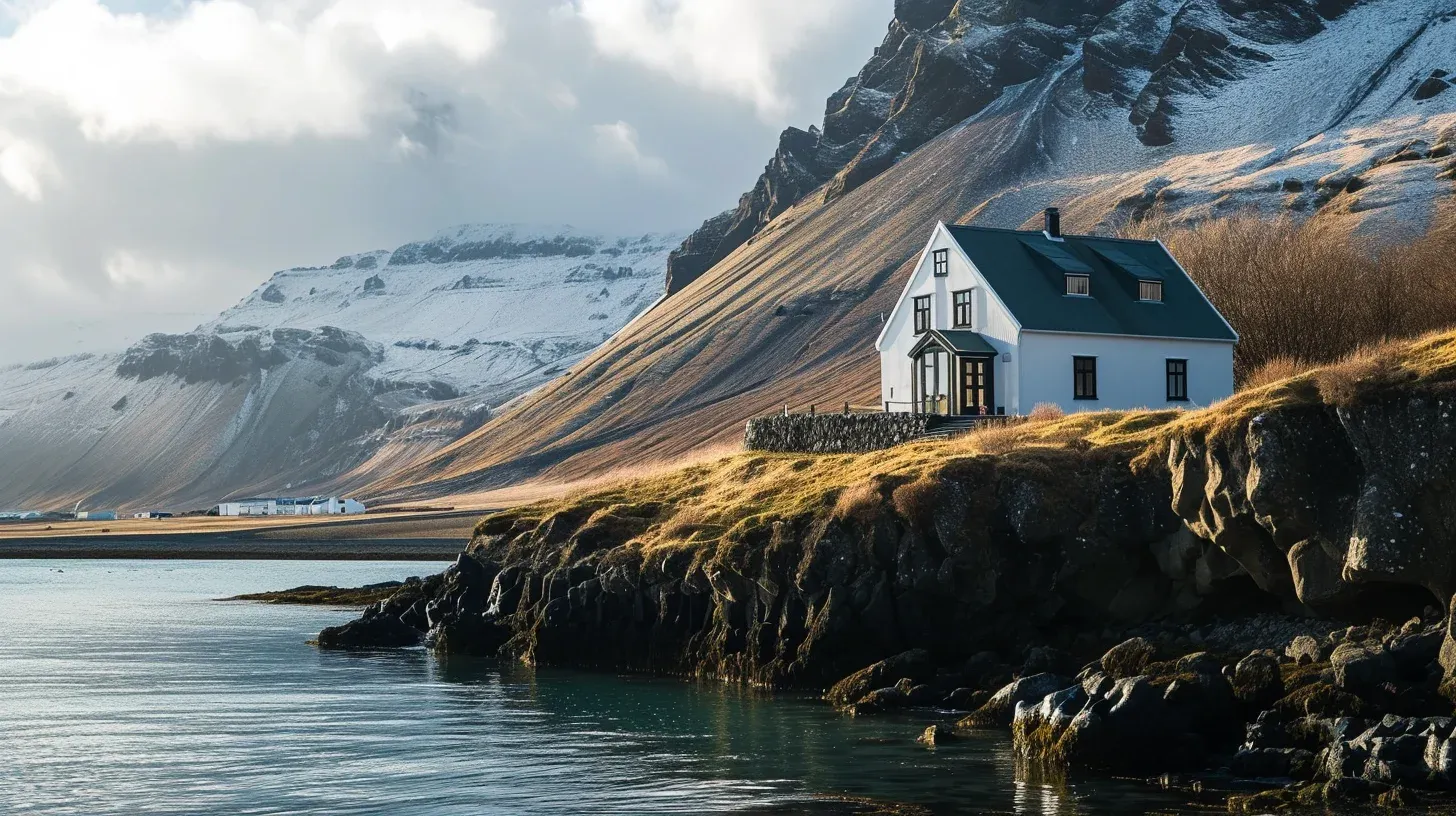
Iceland Unveiled A Journey Through Ice and Fire

Nestled at the edge of the Arctic Circle, Iceland stands as a beacon of natural wonders, where the forces of ice and fire craft a landscape of unparalleled beauty. This island nation, forged by volcanic activity and sculpted by glaciers, offers a journey into the raw power of nature.

Iceland's geography is a testament to its volcanic origins, home to numerous active volcanoes, geothermal springs, and lava fields. The country's most famous volcano, Eyjafjallajökull, gained worldwide attention in 2010 when its eruption disrupted air travel across Europe. Yet, this event only scratches the surface of Iceland's dynamic earth. The island's geothermal activity powers much of the country's energy needs and fuels its famous hot springs, such as the Blue Lagoon, a must-visit for those seeking relaxation in its mineral-rich waters.

Equally impressive are Iceland's glaciers, which cover over 10% of the country. Vatnajökull, Europe's largest glacier, offers breathtaking vistas and is a prime location for ice cave explorations and glacier hiking. These icy landscapes contrast starkly with the volcanic fields, creating a unique environment where fire and ice coexist.

Iceland's natural beauty extends beyond its geological features. The country boasts dramatic waterfalls like Gullfoss, part of the iconic Golden Circle route, and Dettifoss, reputed to be Europe's most powerful waterfall. The rugged coastline, dotted with black sand beaches, such as Reynisfjara, and towering sea cliffs, provides habitat for diverse birdlife, including puffins, making it a birdwatcher's paradise.

The aurora borealis, or Northern Lights, offer a celestial display in Iceland's winter skies, drawing visitors from around the globe. The best times to witness this natural phenomenon are from September to April, when the nights are longest.

Iceland's cultural heritage is deeply intertwined with its landscape. The sagas, epic tales of Viking explorers and settlers, weave through the country's history and literature, echoing the resilience and adaptability of its people. Reykjavik, the capital, is a hub of Nordic culture, with its vibrant arts scene, museums, and modernist architecture.

A journey to Iceland is an invitation to explore the extremes of nature, where the elements of fire and ice shape a land of stark beauty and where the warmth of its people contrasts with the chill of its glaciers. It's a destination that promises adventure, tranquility, and an unforgettable encounter with the forces that shape our world.

Popeye the Sailor Man Sails Through Time

Popeye the Sailor Man, a character who has significantly impacted the world of animation and comics, remains a beloved figure in popular culture. Originating in the 1920s, Popeye first appeared in the comic strip "Thimble Theatre" created by Elzie Crisler Segar. Initially introduced as a minor character in 1929, Popeye quickly became the focal point of the series due to his unique charm, strength, and peculiar habit of gaining superhuman strength from consuming spinach.

Popeye's transition from comic strips to animated shorts in the early 1930s marked a significant milestone in his journey. The series was produced by Fleischer Studios and later by Famous Studios, which contributed to Popeye's rise in popularity. These animations introduced many elements that would become synonymous with Popeye, including his signature catchphrase, "I yam what I yam," and his theme song, "I'm Popeye the Sailor Man."

One of the fascinating aspects of Popeye's history is his influence on American culture, particularly during World War II. Popeye was used in military propaganda and is credited with boosting spinach sales, as his character linked the consumption of spinach with strength. This association led to an increase in the vegetable's consumption among children and adults alike, showcasing the character's influence beyond the realms of entertainment.

Over the years, Popeye has been adapted into various media formats, including television shows, video games, and a live-action film directed by Robert Altman in 1980, starring Robin Williams as Popeye. Despite the varied reception of these adaptations, they have played a crucial role in keeping the character relevant for contemporary audiences.

The legacy of Popeye extends to his influence on the comic and animation industries. He is considered one of the first characters to feature in "crossover" comics, where characters from different series appear together. Additionally, Popeye's enduring popularity has led to his inclusion in various merchandising and promotional campaigns, further cementing his status as a cultural icon.

In analyzing Popeye's history, it's clear that his appeal lies not only in his superhuman strength but also in his portrayal as a flawed but ultimately good-hearted character. His resilience, determination, and willingness to stand up for what's right resonate with audiences worldwide, making Popeye a timeless figure in the pantheon of animated heroes.

Elevating the Classic Avocado Pesto Bruschetta Unveiled

In the quest for culinary innovation, the Avocado Pesto Bruschetta emerges as a sophisticated blend of creamy textures and vibrant flavors, redefining the boundaries of traditional appetizers. This dish marries the rich, buttery essence of avocado with the aromatic zest of homemade pesto, creating an ensemble that's both refreshing and indulgent. Here's a glimpse into crafting this gourmet delight.

The Foundation Crisp, Golden Toasts The journey begins with the selection of a quality baguette, sliced diagonally to maximize surface area. These slices are brushed lightly with olive oil and broiled to achieve a golden crispness, serving as the perfect canvas for our toppings.

The Heart Creamy Avocado Pesto The pesto, a creamy concoction, blends ripe avocados with classic pesto ingredients—basil, garlic, pine nuts, and olive oil. This fusion not only adds a velvety texture but also introduces a subtle complexity to the pesto's flavor profile, distinguishing it from its traditional counterpart.

Assembling the Masterpiece Upon the toasted baguette slices, the avocado pesto is generously spread, followed by a topping of quartered cherry tomatoes. Each piece is then finished with a drizzle of balsamic reduction, adding a sweet and tangy contrast that elevates the dish to new heights.

Customizable to Taste The beauty of Avocado Pesto Bruschetta lies in its versatility. Garnishes such as red onion, diced green onion, red pepper flakes, or even a poached egg can be added to personalize the dish, catering to a wide range of palates.

A Dish Best Served Fresh Though best enjoyed immediately, the components can be prepared in advance for convenience. To retain freshness, the pesto and toppings should be stored separately and assembled just before serving, ensuring the toast remains crisp and the flavors vibrant.

This Avocado Pesto Bruschetta not only stands as a testament to culinary creativity but also offers a delightful experience that is both nourishing and indulgent, perfect for any occasion

The Art of Slow Running: Embracing the Journey Over the Finish Line

In a world obsessed with speed and efficiency, slow running emerges as a revolutionary act, challenging the norms of athleticism and fitness culture. Far from being a sign of weakness or lack of ambition, slow running is a deliberate practice that prioritizes endurance, mental health, and the sheer joy of movement over the rush to cross the finish line.

Slow running, often defined as jogging at a comfortable pace where one can maintain a conversation, is not merely a physical activity but a holistic approach to well-being. It invites runners to tune into their bodies, acknowledging the importance of rest, recovery, and the mental resilience built through steady, unhurried progress. This approach demystifies the often-intimidating world of running, making it accessible and enjoyable for individuals across all levels of fitness.

The benefits of slow running extend beyond the physical realm. It serves as a meditative practice, allowing runners to clear their minds, reduce stress, and enhance their focus. The rhythmic pattern of footsteps and breathing creates a mindful experience, connecting the runner with their environment in a profound and unique way.

Moreover, slow running champions the idea of sustainable fitness. By reducing the intensity, runners can avoid common injuries associated with high-impact and high-speed workouts, ensuring a longer, more enjoyable running career. It encourages a deeper understanding and respect for one's limits and the natural progression of strength and endurance.

Community and camaraderie also play a significant role in the culture of slow running. Running clubs and groups often emphasize the social aspect of this practice, fostering connections and mutual support among members. This sense of belonging and shared experience further enriches the slow running journey, proving that the path traveled together is just as important as the individual quest for fitness.

In conclusion, slow running is more than just a trend; it's a sustainable, inclusive, and mindful approach to fitness that celebrates the journey as much as the destination. By embracing slow running, individuals can discover a fulfilling path to physical and mental health, one step at a time.