Group says analysis of 40,000 UK articles found bias in coverage of Muslims

A research group has said an analysis of 40,000 UK news articles indicates bias in how Muslims are portrayed, renewing debate over newsroom standards, representation, and the impact of reporting on public attitudes.

A group that reviewed 40,000 UK news articles has said its findings show bias in media coverage involving Muslims, arguing that reporting patterns contribute to a distorted public picture of Muslim communities.

The group’s claim, released on Monday, centres on how often Muslims are associated with particular themes and how language choices shape the framing of stories. It said the scale of the dataset—40,000 articles—allowed it to identify recurring approaches across a wide range of coverage.

The announcement adds to a long-running discussion in the UK about how minority communities are represented in news reporting, and how editorial decisions can influence perceptions. It also comes amid broader scrutiny of media practices, including the use of headlines, story selection, and the prominence given to certain topics.

The group did not present its findings as a measure of individual intent by journalists, but as an assessment of patterns it says emerge across large volumes of content. It said the analysis focused on the portrayal of Muslims in news narratives rather than on the accuracy of specific factual claims within individual articles.

## Findings and methodology claims

In its statement, the group said it examined 40,000 articles and concluded that coverage frequently framed Muslims through a narrow set of lenses. It said the analysis looked at how Muslims were described, the contexts in which they appeared, and the themes most commonly linked to Muslim identity.

The group said it used the dataset to compare the frequency and tone of references to Muslims across different types of stories. It argued that repeated associations—particularly when concentrated in certain subject areas—can create an impression that Muslim identity is primarily relevant in limited contexts.

The group did not, in the material released with the announcement, provide a full breakdown of the outlets included, the time period covered, or the detailed coding rules used to classify tone and framing. It said the work was based on a systematic review of articles, and that the volume of material analysed supported its conclusion that the patterns were not isolated.

The group’s statement did not include direct quotations from journalists or editors, and it did not identify specific articles as examples. Instead, it presented its conclusions as a summary of aggregate trends.

## Responses and wider debate

The group’s claims are likely to be examined by media professionals, researchers, and community organisations, who have previously debated how to assess bias in reporting and how to distinguish between coverage of events involving Muslims and coverage that generalises about Muslims as a whole.

News organisations in the UK operate under editorial codes and regulatory frameworks that address accuracy, fairness, and discrimination. Critics of media coverage have argued that even when individual reports are factually correct, cumulative framing can still shape public understanding in ways that disadvantage certain groups.

Supporters of current newsroom practices have previously said that reporting reflects the news agenda and that coverage is driven by events, public interest, and editorial judgement. Others have argued that the selection of stories and the language used in headlines can amplify stereotypes, particularly when identity is highlighted in contexts where it is not essential to the story.

The group said its findings should prompt reflection on editorial decision-making, including how headlines are written, which voices are included in stories, and whether coverage captures the diversity of Muslim life in the UK.

## Culture, representation, and impact

The issue sits at the intersection of culture and public life, touching on questions of belonging, representation, and how communities are depicted in national narratives. Media portrayals can influence how groups are understood by wider society, and can also affect how members of those communities perceive their place in public discourse.

The group said it wants its analysis to be used to encourage more nuanced reporting, including coverage that reflects Muslims in a broader range of roles and settings beyond the topics that dominate headlines.

The release of the findings is expected to add to ongoing conversations among academics and civil society groups about how to measure bias, how to improve media literacy, and how to support reporting that avoids reinforcing stereotypes while maintaining editorial independence.

The group has not said whether it will publish the full dataset or a detailed methodological report alongside its summary conclusions. It said the analysis was intended to provide an evidence base for discussions with newsrooms and other stakeholders about standards and representation in coverage involving Muslims.
The Mystery Behind Friday the 13th and Its Unlucky Reputation

Friday the 13th has long been shrouded in superstition, often regarded as a day of misfortune. This belief intertwines cultural, religious, and historical narratives, leading many to approach the date with caution.

Origins of the Superstition

The trepidation surrounding Friday the 13th is believed to stem from various sources:

  • Religious Associations: In Christianity, the Last Supper was attended by 13 individuals, with Judas Iscariot, the betrayer of Jesus, considered the 13th guest. Additionally, Jesus's crucifixion occurred on a Friday, intertwining the day and number with notions of betrayal and sacrifice.
  • Historical Events: On Friday, October 13, 1307, King Philip IV of France ordered the arrest of hundreds of Knights Templar, leading to their persecution. This event has been cited as a possible origin of the day's unlucky reputation.

Global Perspectives on Unlucky Days

While Friday the 13th is considered unlucky in many Western cultures, other regions have their own superstitions:

  • Spain and Latin America: Tuesday the 13th, known as "martes trece," is deemed inauspicious, with a common saying advising against marriage or travel on that day.
  • Greece: Similarly, Tuesday the 13th is viewed with apprehension, partly due to historical events like the fall of Constantinople, which occurred on a Tuesday.

Frequency of Friday the 13th

In the Gregorian calendar, any month that begins on a Sunday will have a Friday the 13th. This can occur up to three times in a single year, though it's more common to have one or two such occurrences annually.

Accident Rates on Friday the 13th

Studies on whether Friday the 13th sees an uptick in accidents yield mixed results:

  • Increased Accidents: A 1993 study published in the British Medical Journal reported a 52% increase in hospital admissions due to transport accidents on Friday the 13th compared to other Fridays.
  • Decreased Accidents: Conversely, data from the Netherlands indicated a slight decrease in traffic accidents on Friday the 13th, possibly because superstitious individuals take extra precautions or avoid travel altogether.

Similar Superstitions in Other Cultures

Various cultures harbor their own superstitions regarding certain days or numbers:

  • Italy: The number 17 is considered unlucky, as its Roman numeral XVII can be rearranged to spell "VIXI," meaning "I have lived," implying death.
  • China: The number 4 is avoided due to its pronunciation being similar to the word for "death."

These beliefs influence behaviors, such as building designs omitting certain floor numbers or scheduling events to avoid "unlucky" dates.

In conclusion, while Friday the 13th carries a reputation for bad luck in various cultures, empirical evidence supporting increased mishaps on this day is inconclusive. The persistence of this superstition highlights the enduring impact of cultural narratives on human behavior.

Unconventional Christmas Traditions Worldwide

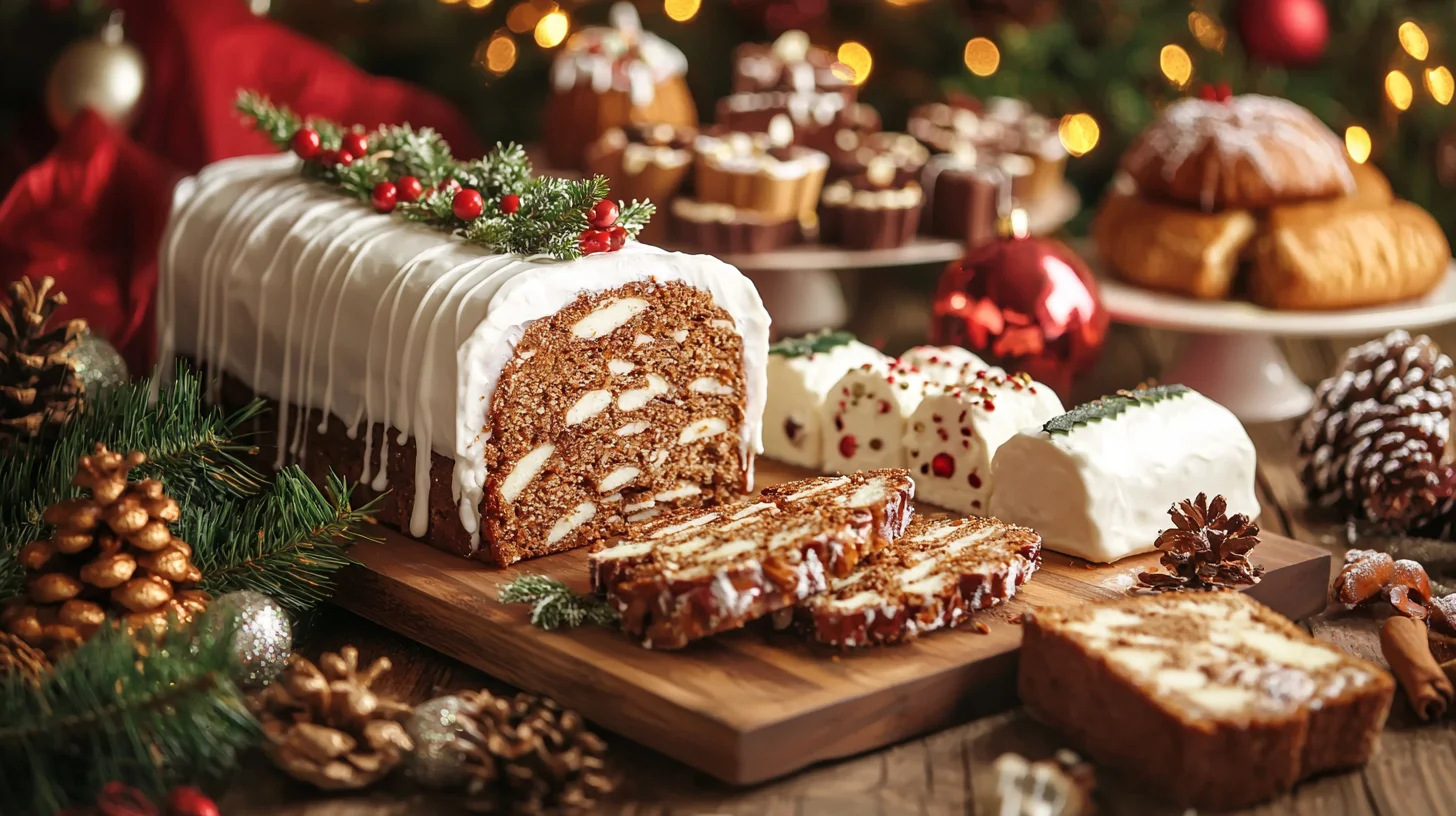
Christmas, celebrated globally, manifests through diverse and unique customs that reflect each culture's distinct identity. Beyond the familiar traditions, several countries embrace unconventional practices during the festive season.

Austria's Krampus: The Christmas Demon

In Austria, alongside the benevolent Saint Nicholas, folklore introduces Krampus—a horned, demonic figure who punishes misbehaving children during the Christmas season. On December 5th, known as Krampusnacht, individuals dress as Krampus, parading through streets to 'scare' children into good behavior.

Japan's Festive Feast at KFC

In Japan, where Christmas isn't a traditional holiday, a unique custom has emerged: dining at KFC. This tradition began in the 1970s following a successful marketing campaign, leading families to enjoy fried chicken as their Christmas meal, often requiring reservations months in advance.

Ukraine's Spider Web Decorations

Ukrainian Christmas trees often feature decorations resembling spider webs. This stems from a legend about a poor widow who couldn't afford to decorate her tree. On Christmas morning, she found it adorned with spider webs that glistened like silver and gold in the sunlight, symbolizing good luck.

Catalonia's Caganer: The Defecating Figurine

In Catalonia, nativity scenes include a "Caganer," a figurine depicted in the act of defecation. This tradition, dating back to the 18th century, is believed to bring fertility and good fortune, representing the fertilization of the earth.

Venezuela's Roller-Skating to Mass

In Caracas, Venezuela, it's customary to attend early morning Christmas Mass on roller skates. Streets are closed to traffic until 8 a.m. to allow churchgoers to skate safely, creating a festive and communal atmosphere.

Italy's Befana: The Gift-Giving Witch

In Italy, particularly on the eve of Epiphany (January 5th), a kind witch named Befana is said to visit children, filling their stockings with sweets if they've been good or a lump of coal if they've been naughty. This tradition predates Santa Claus in Italian folklore.

Iceland's Yule Lads and the Christmas Cat

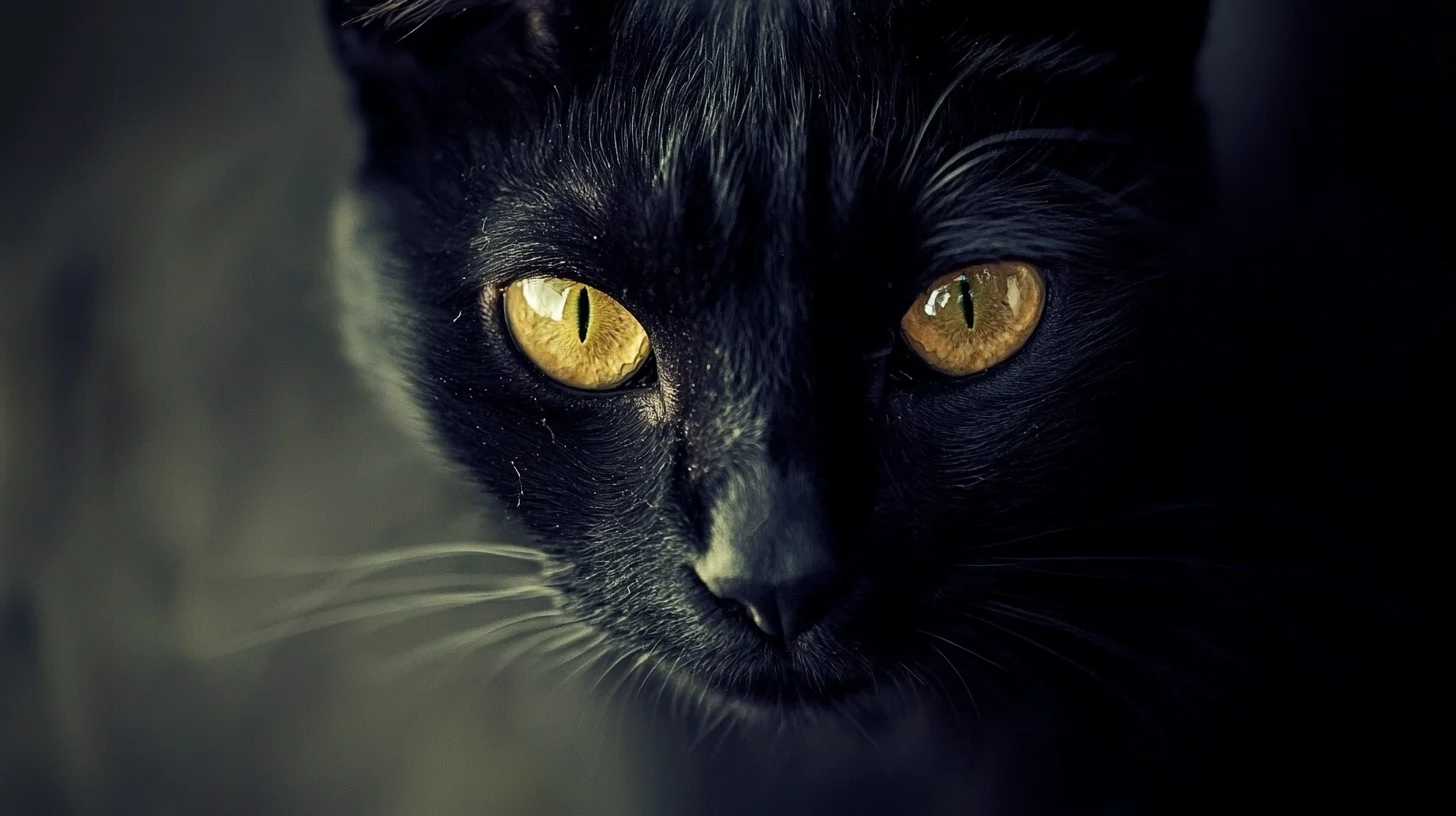
Icelandic children anticipate visits from the 13 Yule Lads, mischievous figures who leave gifts or rotten potatoes in shoes placed on windowsills during the 13 nights leading up to Christmas. Additionally, the folklore speaks of the Yule Cat, a giant feline that eats those who haven't received new clothes before Christmas Eve, encouraging hard work and new garments as rewards.

Norway's Broom-Hiding Tradition

In Norway, it's customary to hide all brooms on Christmas Eve to prevent witches and evil spirits from stealing them for midnight rides. This practice harks back to ancient beliefs in witches and spirits roaming the earth on Christmas Eve.

These diverse traditions highlight the rich tapestry of global customs that make the Christmas season uniquely vibrant across different cultures.

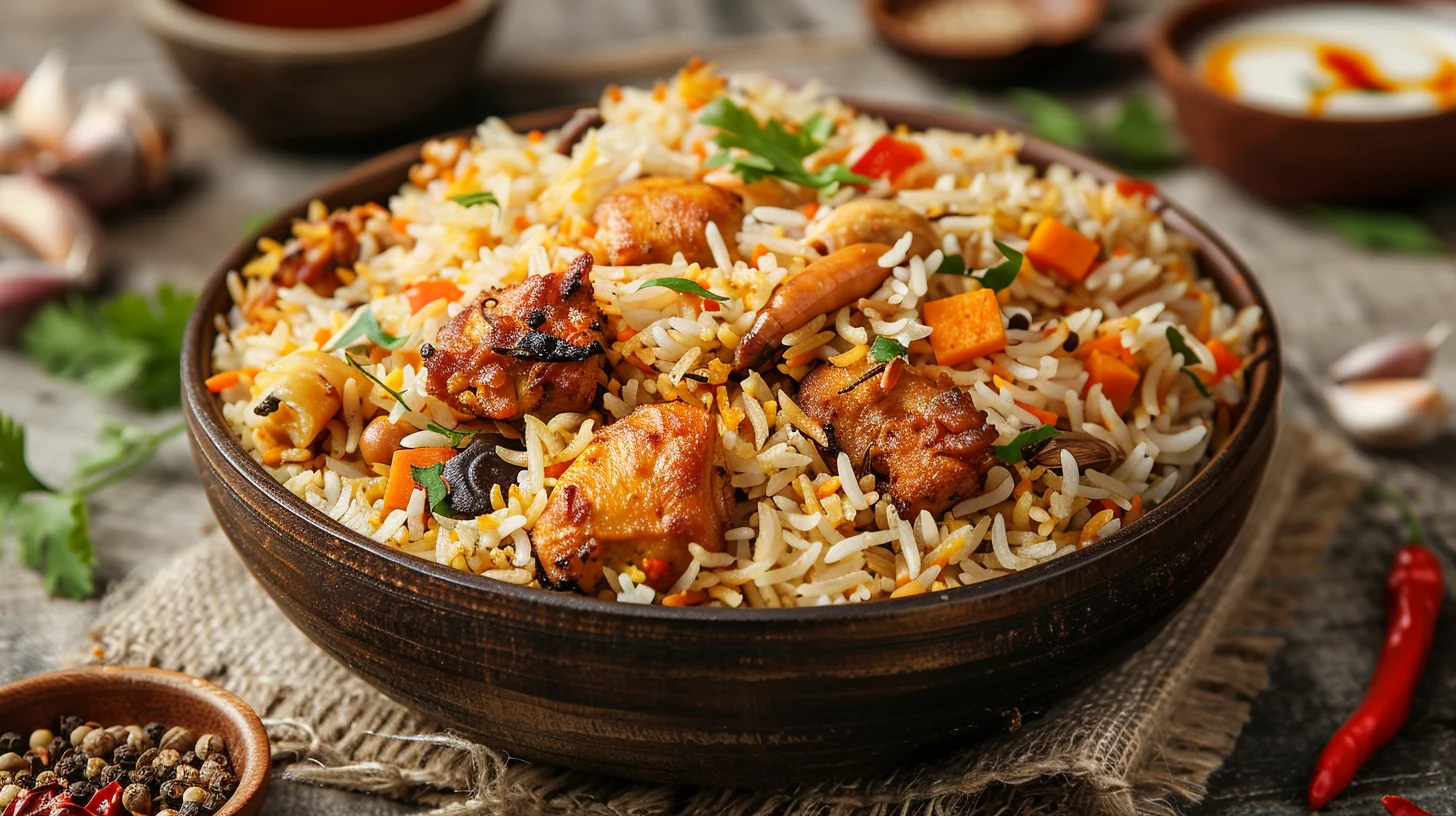
Mastering Biryani Recipes That Elevate Every Meal

Biryani, a dish that transcends borders and cultures, is a symphony of spices, flavors, and textures. Originating from the Indian subcontinent, this aromatic rice dish has become a global favorite, with countless regional variations. Whether you're a seasoned cook or a culinary novice, mastering a few Biryani recipes can transform your cooking repertoire. Here’s how to create mouthwatering Biryani at home, with recipes that cater to different tastes and preferences.

Classic Chicken Biryani

Ingredients:

  • 2 cups Basmati rice
  • 500g chicken, cut into pieces
  • 2 onions, thinly sliced
  • 2 tomatoes, chopped
  • 1 cup yogurt
  • 2 tablespoons ginger-garlic paste
  • 1 tablespoon Biryani masala
  • 1 teaspoon turmeric powder
  • 1 teaspoon red chili powder
  • 4 green chilies, slit
  • 1/2 cup chopped mint leaves
  • 1/2 cup chopped coriander leaves
  • 4 cups water
  • 4 tablespoons ghee or oil
  • Salt to taste
  • Saffron soaked in warm milk (optional)

Method:

  1. Rinse the Basmati rice under cold water until the water runs clear. Soak for 30 minutes.
  2. Heat ghee in a large pot and fry the onions until golden brown. Set half aside for garnishing.
  3. In the same pot, add ginger-garlic paste, green chilies, and chicken pieces. Cook until the chicken is browned.
  4. Add chopped tomatoes, yogurt, Biryani masala, turmeric, and red chili powder. Cook until the tomatoes are soft and the oil separates.
  5. Mix in half of the mint and coriander leaves, then add the drained rice. Pour in the water, season with salt, and bring to a boil.
  6. Lower the heat, cover the pot, and simmer until the rice is fully cooked.
  7. Layer the cooked Biryani with the remaining fried onions, mint, and coriander. If using, drizzle saffron milk over the top for added richness.
  8. Cover and let it sit for 10 minutes before serving.

Vegetable Biryani

Ingredients:

  • 2 cups Basmati rice
  • 1 cup mixed vegetables (carrots, peas, beans, potatoes)
  • 2 onions, thinly sliced
  • 1 tomato, chopped
  • 1/2 cup yogurt
  • 1 tablespoon ginger-garlic paste
  • 1 tablespoon Biryani masala
  • 1 teaspoon turmeric powder
  • 1 teaspoon red chili powder
  • 4 green chilies, slit
  • 1/2 cup chopped mint leaves
  • 1/2 cup chopped coriander leaves
  • 4 cups water
  • 4 tablespoons ghee or oil
  • Salt to taste
  • Saffron soaked in warm milk (optional)

Method:

  1. Soak the Basmati rice as described in the chicken recipe.
  2. Heat ghee in a pot and fry the onions until golden brown. Set half aside for garnishing.
  3. Add ginger-garlic paste, green chilies, and chopped vegetables. Sauté until the vegetables are partially cooked.
  4. Mix in chopped tomatoes, yogurt, Biryani masala, turmeric, and red chili powder. Cook until the tomatoes soften.
  5. Stir in half of the mint and coriander, then add the soaked rice. Pour in water, season with salt, and bring to a boil.
  6. Cover, reduce the heat, and cook until the rice is done.
  7. Layer with the remaining fried onions, mint, and coriander. Add saffron milk if desired.
  8. Let the Biryani rest for a few minutes before serving.

Tips for Perfect Biryani

  • Rice: Always use Basmati rice for its long grains and fragrant aroma. Rinsing and soaking are crucial steps to prevent the rice from sticking.
  • Spices: Biryani masala is the soul of the dish. Homemade blends are best, but store-bought versions work well too.
  • Layering: Traditional Biryani is layered with rice and meat or vegetables, with fried onions, herbs, and sometimes saffron in between. This layering technique helps infuse the flavors into every grain of rice.
  • Cooking: Low heat and patience are key. Biryani is best cooked slowly to allow the flavors to meld together.

Japanese Teens Revolutionize Streetwear Fashion

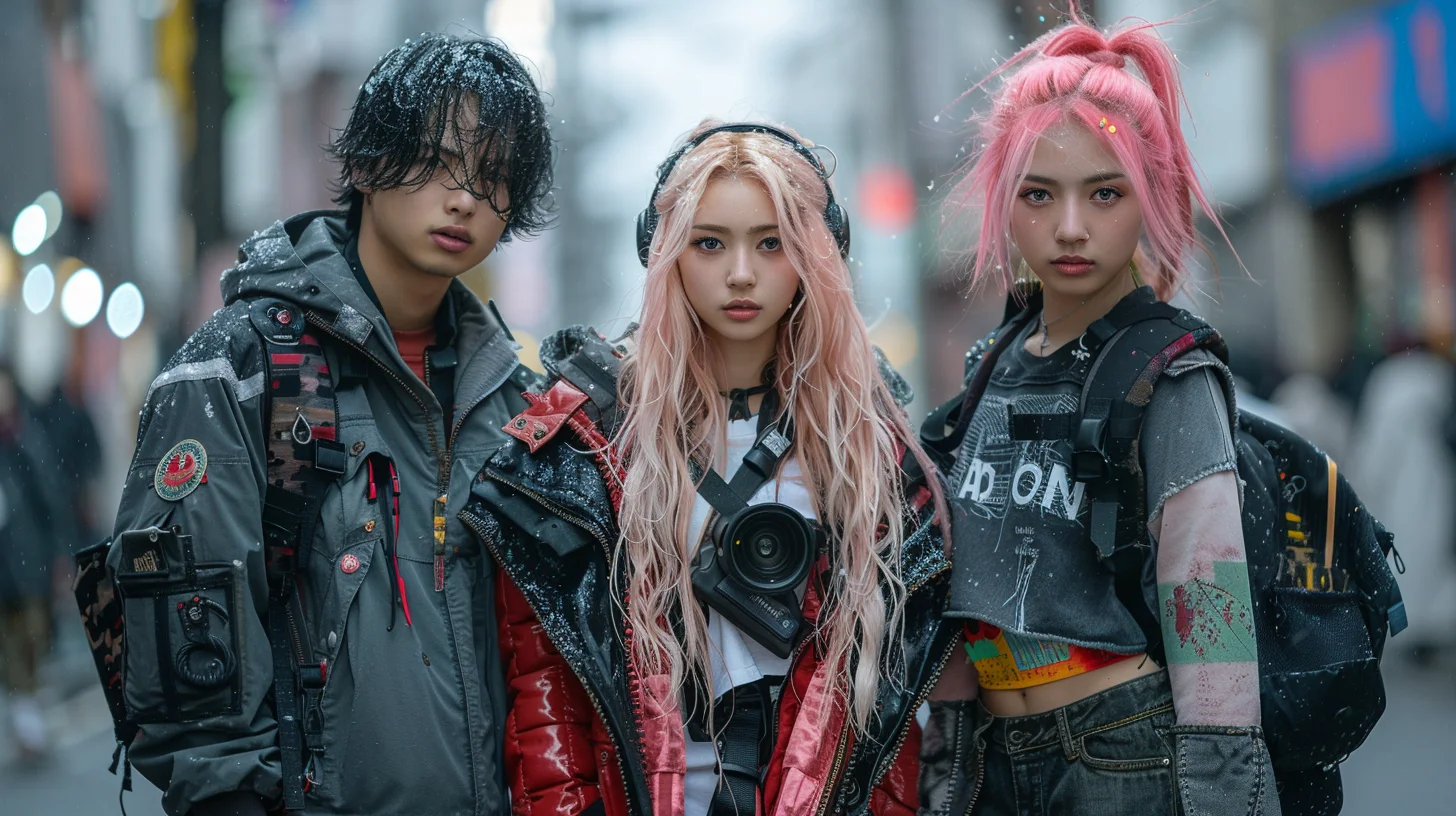
Japanese teens are at the forefront of a fashion revolution, redefining streetwear with their innovative and eclectic styles. From the bustling streets of Harajuku to the trendy districts of Shibuya, young fashion enthusiasts are blending traditional Japanese elements with contemporary global trends, creating a unique and captivating fashion scene that is influencing the world.

Distinctive Style of Japanese Teens

The streetwear style of Japanese teens is characterized by a bold mix of colors, patterns, and textures. Harajuku, known for its avant-garde fashion, is a hotspot for teens who experiment with oversized silhouettes, vibrant hues, and a variety of accessories. The streets are filled with teens wearing layered outfits that often include graphic tees, hoodies, and baggy pants, all adorned with quirky accessories like colorful hair clips, chunky sneakers, and unique bags. Brands such as A Bathing Ape (BAPE), Undercover, and Comme des Garçons are staples in their wardrobes, providing a base for their creative ensembles.

In Shibuya, the fashion is slightly more polished but equally dynamic. Shibuya 109, a renowned shopping complex, is a key location where teens find the latest trends. Here, the style is a blend of high-end and streetwear, featuring sophisticated yet edgy looks. Layering remains a significant trend, with teens combining elements like tailored blazers with casual hoodies, or pairing sleek skirts with chunky boots. The influence of Western brands such as Supreme and Off-White is evident, yet each outfit retains a distinctively Japanese twist.

Impact on Global Fashion Trends

The innovative streetwear style of Japanese teens has had a profound impact on global fashion trends. International designers and fashion houses are increasingly looking to Tokyo for inspiration, captivated by the originality and boldness of Japanese streetwear. Collaborations between Japanese brands and global fashion giants are becoming more common, blending Japanese aesthetics with Western styles. For instance, Comme des Garçons’ collaborations with Nike and Supreme have brought Japanese streetwear into the global spotlight, influencing fashion trends worldwide.

Japanese streetwear also champions inclusivity and diversity, challenging traditional beauty standards and promoting body positivity. This celebration of individuality resonates globally, pushing fashion brands to adopt more inclusive practices. Additionally, the DIY culture prevalent in Japanese streetwear, where teens personalize their clothing with unique touches, has sparked a global DIY movement. Social media platforms are brimming with tutorials on customizing clothing, reflecting the widespread influence of this trend.

The gender-neutral fashion movement also finds strong roots in Japanese streetwear. The androgynous looks frequently seen in Tokyo's fashion districts challenge conventional gender norms and promote a fluid approach to style. This has sparked a broader conversation about gender identity in fashion, leading many global brands to launch gender-neutral collections.

Iconic Styles in Japanese Streetwear

Several iconic styles define the Japanese streetwear scene. The "Decora" style, characterized by a profusion of colorful accessories and playful outfits, is one of the most recognizable. Teens sporting Decora often wear layers of brightly colored clothing adorned with a multitude of accessories, creating a look that is both whimsical and eye-catching.

Another iconic style is the "Gyaru" look, which includes exaggerated makeup, voluminous hairstyles, and glamorous outfits. This style often features bold patterns, high heels, and designer handbags, exuding a sense of confidence and flair.

The "Visual Kei" style, inspired by Japanese rock bands, is also prominent. It includes dramatic makeup, elaborate hairstyles, and gothic clothing, creating a striking and theatrical appearance. This style showcases the influence of music on fashion, blending performance art with everyday wear.

Lastly, the "Lolita" style, with its roots in Victorian and Rococo fashion, remains a beloved subculture. Teens who adopt this style wear intricate dresses, often with petticoats and lace, paired with accessories like bonnets and parasols. The look is completed with meticulously styled hair and makeup, emphasizing a doll-like aesthetic.

In conclusion, Japanese teens are not only defining streetwear fashion within their country but are also significantly influencing global fashion trends. Their bold, creative, and inclusive approach to fashion challenges norms and sets new standards for individuality and expression. As the world continues to look to Japan for inspiration, the innovative styles of Japanese teens will undoubtedly shape the future of fashion