Easter Egg Hunt Springs Joy Across Generations

The Easter Egg Hunt, a cherished tradition, encapsulates the spirit of spring with its themes of renewal, joy, and the simple pleasure of discovery. This festive activity involves hiding Easter eggs—often brightly colored or decorated—for participants, usually children, to find. Originating in a blend of religious and cultural practices, the Easter Egg Hunt has transcended its beginnings to become a universal symbol of community and celebration.

Tracing its roots back to the early Christian traditions of Mesopotamia, the practice of dyeing eggs red symbolized the blood of Christ. As Christianity spread across Europe, different cultures integrated their springtime customs, including egg-related festivities, with the celebration of Easter. The concept of the Easter egg hunt, as we know it today, likely originated in Germany. It was here that the tale of the "Osterhase," a hare who lays eggs and hides them for children to find on Easter morning, first captured imaginations.

The tradition was brought to America by German immigrants in the 1700s, particularly settling in Pennsylvania. Over time, the simple backyard hunts evolved into public events, endorsed and expanded by communities, organizations, and even Presidents, as seen in the annual White House Easter Egg Roll.

The tradition of the Easter Egg Hunt, while deeply rooted in Christian practices, resonates across various cultures, each adding its unique twist to this springtime celebration. This global tapestry of Easter festivities highlights the adaptability of traditions and their power to bring people together, transcending cultural and geographical boundaries.

In the United Kingdom, the Easter Egg Hunt is often a grand affair. Cadbury, the renowned chocolatier, partners with the National Trust to host egg hunts in some of the country’s most scenic locations, such as historic castles and lush gardens. These events, while centered around the fun of the hunt, also serve to educate participants about the cultural and natural heritage of the locales, blending leisure with learning in a communal setting.

Sweden and Finland celebrate Easter with a twist that resembles Halloween. Children dress up as Easter witches, donning old and oversized clothes, and go door-to-door, exchanging paintings and drawings for sweets. This tradition, blending Easter with a hint of the spring equinox celebrations, showcases the cross-cultural fertilization of festivals, adding a layer of creativity and community interaction to the holiday.

In Poland, the Monday following Easter, known as Smigus-Dyngus or Wet Monday, is celebrated by people playfully sprinkling water on each other. Originally a pagan practice, it has been absorbed into the Easter festivities, symbolizing the spring renewal and the cleansing of sins. While not an egg hunt in the traditional sense, it represents another form of communal play and celebration closely tied to Easter's themes of renewal.

Greece presents a different take on the Easter egg tradition. Here, eggs are dyed red to symbolize the blood of Christ and then used in a game called "tsougrisma," where players attempt to crack each other's eggs. The person whose egg lasts the longest is considered blessed with good luck for the year. This practice, deeply symbolic and competitive, adds a communal and interactive dimension to the Easter celebration, emphasizing fellowship and the sharing of blessings.

Australia has seen the rise of the Bilby, an endangered native animal, as a symbol of Easter. This initiative, aimed at raising awareness and funds for conservation, has led to the creation of chocolate bilbies and bilby-themed egg hunts, merging traditional celebrations with environmental stewardship. It's a reflection of how cultural practices can evolve to embrace and address contemporary issues.

Today, the Easter Egg Hunt has diversified in scope and creativity. Beyond the traditional hiding and seeking of eggs, many hunts incorporate themes, puzzles, and challenges, making them appealing to all ages. Technological advances have introduced virtual egg hunts, where participants use apps or websites to find virtual eggs in the real world or entirely digital landscapes. These adaptations ensure the tradition remains relevant and engaging in the digital age.

The Easter Egg Hunt, in its many global variations, exemplifies the beauty of cultural diversity and the shared joy of celebration. Whether it's through elaborate hunts set against historical backdrops, creative dressing up for sweets, engaging in water fights, cracking eggs for luck, or saving endangered species, Easter around the world brings people together in a mosaic of festive traditions. Each adaptation of the egg hunt enriches the global narrative of Easter, weaving together threads of joy, renewal, and community.

The Future of Coffee Culture: Beyond the Bean

As we journey through the evolving landscape of coffee culture, we're met with an infusion of trends that not only reshape our daily rituals but also hint at a broader societal shift towards sustainability, wellness, and personalized experiences. This exploration into the future of coffee culture reveals how innovations, generational shifts, and an unwavering love for the bean are brewing a new era in our relationship with coffee.

The Rise of At-home Baristas

One of the most significant trends we've witnessed is the increased at-home coffee consumption. The digital age, paired with recent global events, has accelerated this shift, leading to a newfound appreciation for brewing artisanal coffee in the comfort of our homes. The market has responded with an array of gadgets and gizmos, from sophisticated espresso machines to simple, yet elegant, pour-over setups, empowering coffee enthusiasts to become their own baristas​​.

Cold Brews and Sustainability at the Heart

Cold brew coffee, known for its smooth texture and lower acidity, has seen a surge in popularity. This trend is not just about taste preference but also intersects with health consciousness and sustainability. Cold brews, often associated with reduced energy consumption and waste, align with a growing demand for environmentally friendly coffee options. Furthermore, the market for alternative milk options, like almond and oat milk, has expanded, catering to the vegan and lactose-intolerant coffee lovers, making the coffee experience more inclusive and sustainable​​​​.

Generational Shifts in Coffee Preferences

Each generation has its unique stamp on coffee culture, reflecting broader cultural and social trends. Baby Boomers tend to gravitate towards traditional coffee experiences, valuing the ritual and comfort a classic cup of coffee brings. Generation X, caught in the transition, embraces both the classic and the new, showing openness to experimenting with flavors and brewing techniques. Millennials and Gen Z are at the forefront of the speciality coffee movement, championing sustainability, diversity in coffee choices, and the social experience surrounding coffee consumption. These younger generations prioritize coffee that comes with a story—be it through its origin, sustainability credentials, or the unique brewing method​​.

Technology and the Social Coffee Experience

The digital world plays a pivotal role in shaping contemporary coffee culture. Social media platforms have become the new coffee shops, where people share their coffee creations, discover new trends, and connect over their love for coffee. From Instagram to TikTok, these digital spaces offer a window into the vast world of coffee, enabling a culture of sharing and learning that transcends geographical boundaries. The influence of technology extends to the supply chain, with consumers increasingly interested in the traceability of their coffee, demanding transparency and ethical practices from bean to cup​​.

Sustainability: A Bean of Change

Sustainability has emerged as a central theme in the narrative of the future of coffee culture. From the environmental impact of coffee production to the social responsibilities of coffee brands, consumers are increasingly making choices that reflect their values. This shift is encouraging the industry to adopt more sustainable practices, from the farm where coffee is grown, to the packaging it comes in, and even how coffee grounds are disposed of or reused. The demand for sustainably sourced and ethically produced coffee is a testament to a collective aspiration for a coffee culture that does good, both for people and the planet​​.

As we look to the future, it's clear that coffee culture is more than just about the beverage itself; it's a reflection of our changing world. It encapsulates a blend of tradition and innovation, personal and collective experiences, sustainability, and technology. The future of coffee culture is rich and diverse, promising new flavors, experiences, and ways to connect and care for the world around us.

Discover Corsica: 10 Reasons to Make It Your Next Travel Destination

Corsica, an island steeped in history and splendor, offers a travel experience like no other. Situated in the heart of the Mediterranean, it blends rugged landscapes with the serenity of crystal-clear waters, making it a paradise for nature lovers and adventurers alike. Here's why Corsica should be your next travel destination:

  1. Rich Historical Tapestry: The birthplace of Napoleon Bonaparte, Corsica's capital, Ajaccio, invites history enthusiasts to explore its storied past. The island's history is also commemorated in its numerous museums and historic sites, including the prehistoric marvels at Filitosa.
  2. Culinary Excellence: Corsica's cuisine is a delectable fusion of French and Italian influences, enriched by local specialties such as wild boar and exquisite cheeses. The island's vineyards offer wines that perfectly complement its gastronomic delights.
  3. A Heaven for Outdoor Activities: Whether it's hiking through the scenic trails of the Regional National Park, diving into the azure waters of the Mediterranean, or exploring the island's rugged terrain by bike, Corsica offers endless opportunities for adventure.
  4. Breathtaking Natural Beauty: From the serene beaches of Ostriconi to the dramatic cliffs of Bonifacio, Corsica's diverse landscapes are a testament to its unspoiled beauty. The island's commitment to conservation is evident in its pristine natural parks and reserves.
  5. Cultural Richness: Corsica's culture is a vibrant tapestry of music, art, and festivals. The island's polyphonic choral tradition is a profound expression of its cultural identity, offering visitors a unique and moving experience.
  6. Quaint Villages and Towns: The island is dotted with charming villages and towns, each with its own character and history. Places like Sartene, known as “the most Corsican of Corsican cities,” offer a glimpse into the authentic Corsican way of life.
  7. Spectacular Beaches: Corsica's coastline boasts some of the most beautiful beaches in the Mediterranean, from sandy stretches perfect for families to secluded coves ideal for those seeking tranquility.
  8. Climate: Corsica enjoys a Mediterranean climate, with hot, dry summers and mild winters, making it an ideal year-round destination. The warm summer temperatures are perfect for beach-goers and outdoor enthusiasts alike.
  9. Accessibility: Despite its feeling of remote beauty, Corsica is accessible by ferry and plane, offering flexibility for travelers coming from mainland France, Italy, and beyond.
  10. The Corsican Spirit: More than its landscapes and historical sites, it's the spirit of Corsica that captivates visitors. The warmth and hospitality of its people, along with the island's vibrant culture, make it a place where memories are made.

Corsica is more than just a destination; it's an experience that combines adventure, relaxation, and cultural enrichment. Whether you're a history buff, a foodie, or an outdoor enthusiast, Corsica promises an unforgettable journey into the heart of the Mediterranean.

Papua New Guinea Emerges as a Premier Destination for Adventure Seekers and Culture Enthusiasts

Nestled in the heart of the Pacific, Papua New Guinea (PNG) is a country that tells a tale as diverse and vibrant as its landscapes. From the mist-shrouded highlands to the sun-kissed islands, PNG offers an unparalleled adventure for travelers seeking the extraordinary. This country, with its rich history and mosaic of cultures, stands as a testament to the resilience and diversity of the human spirit.

The history of Papua New Guinea is as complex as its mountain terrains, with human habitation dating back at least 60,000 years. It was a path less traveled until European explorers set foot in the 16th century, but it has since evolved from a series of disparate tribes and colonial territories to a sovereign nation in 1975. This historical tapestry is woven with the threads of thousands of distinct tribes, each preserving their unique customs, languages, and ways of life against the backdrop of changing times.

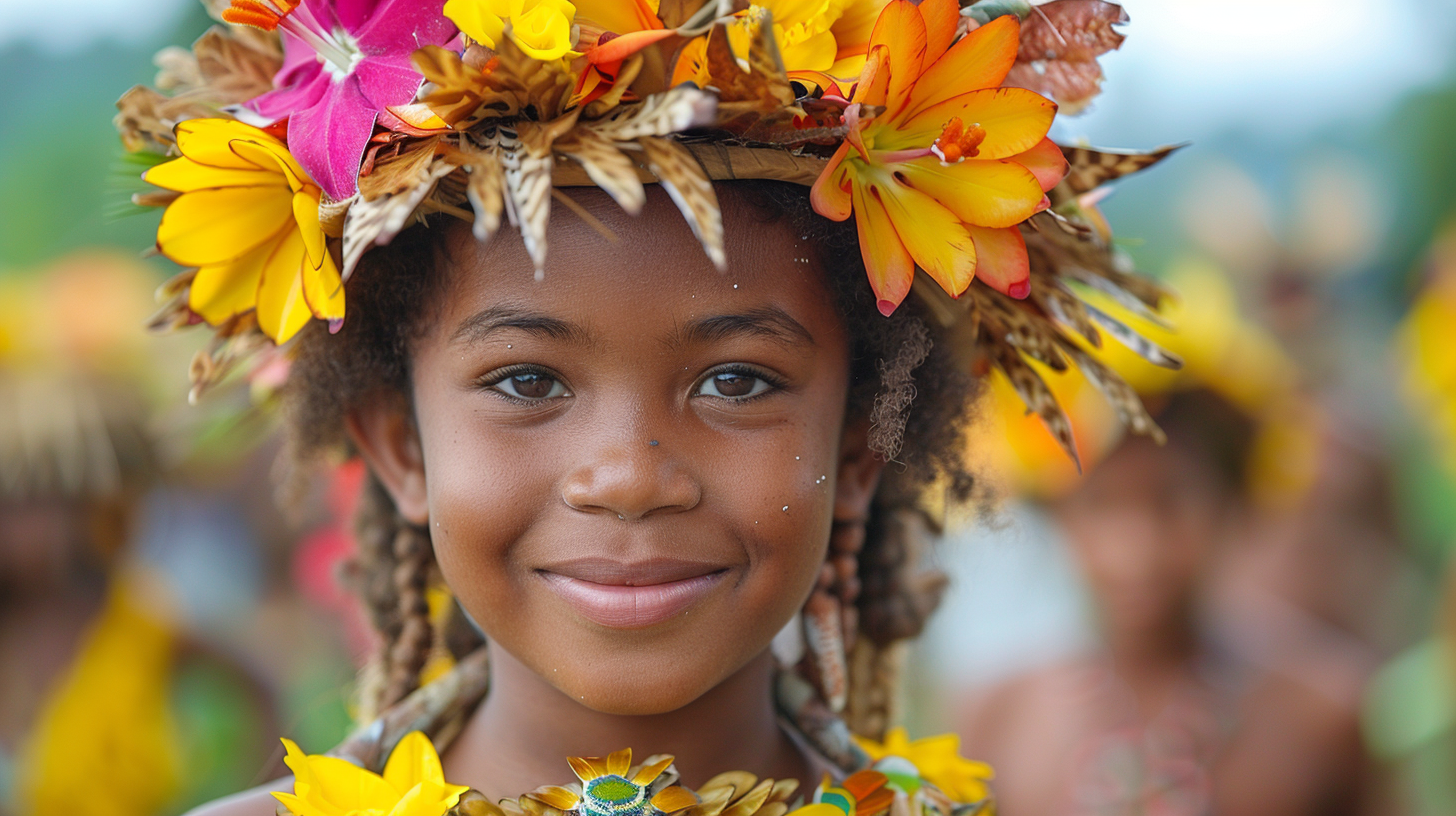
The people of Papua New Guinea are the true essence of the country, embodying the spirit of kinship, tradition, and a profound connection to their land. With over 800 languages spoken, PNG is the epitome of cultural diversity. Communities range from coastal fishermen to highland farmers, with social structures and traditions that have survived the test of time and modernity. This rich cultural heritage is most visibly celebrated through vibrant festivals, elaborate tribal dress, and intricate rituals that continue to fascinate visitors from around the world.

For travelers, Papua New Guinea is a destination like no other. It promises an adventure that transcends the conventional, offering a glimpse into a world where nature and culture remain untamed and unspoiled. The country's natural beauty is breathtaking, with landscapes that encompass active volcanoes, dense rainforests, and pristine coral reefs. These ecosystems are home to an astonishing variety of flora and fauna, much of which is endemic to the region, making it a haven for nature lovers and conservationists.

Adventure enthusiasts are drawn to Papua New Guinea for its unparalleled opportunities for trekking, diving, and kayaking. The Kokoda Trail, a rugged and historical World War II trail through the Owen Stanley Range, offers a challenging trek steeped in history. Divers can explore the Coral Triangle, known for its incredibly biodiverse marine life and world-class dive sites, including shipwrecks from WWII.

Cultural tourism is another pillar of Papua New Guinea's allure. Visitors have the unique opportunity to immerse themselves in local traditions, witness ceremonial dances, and participate in festivals such as the famous Mount Hagen Show. These experiences not only provide a deeper understanding of PNG's cultural richness but also support sustainable tourism practices that benefit local communities.

However, the journey to Papua New Guinea is not just about what one can see and do. It's about connecting with a way of life that respects the rhythms of nature and the bonds of community. It's about learning from a people whose stories and traditions remind us of the vastness of the human experience. For those willing to venture beyond the familiar, Papua New Guinea offers a journey that is as transformative as it is unforgettable.

The National Theatre of Great Britain Amplifies Global Cultural Exchange Through Performing Arts and NT Live

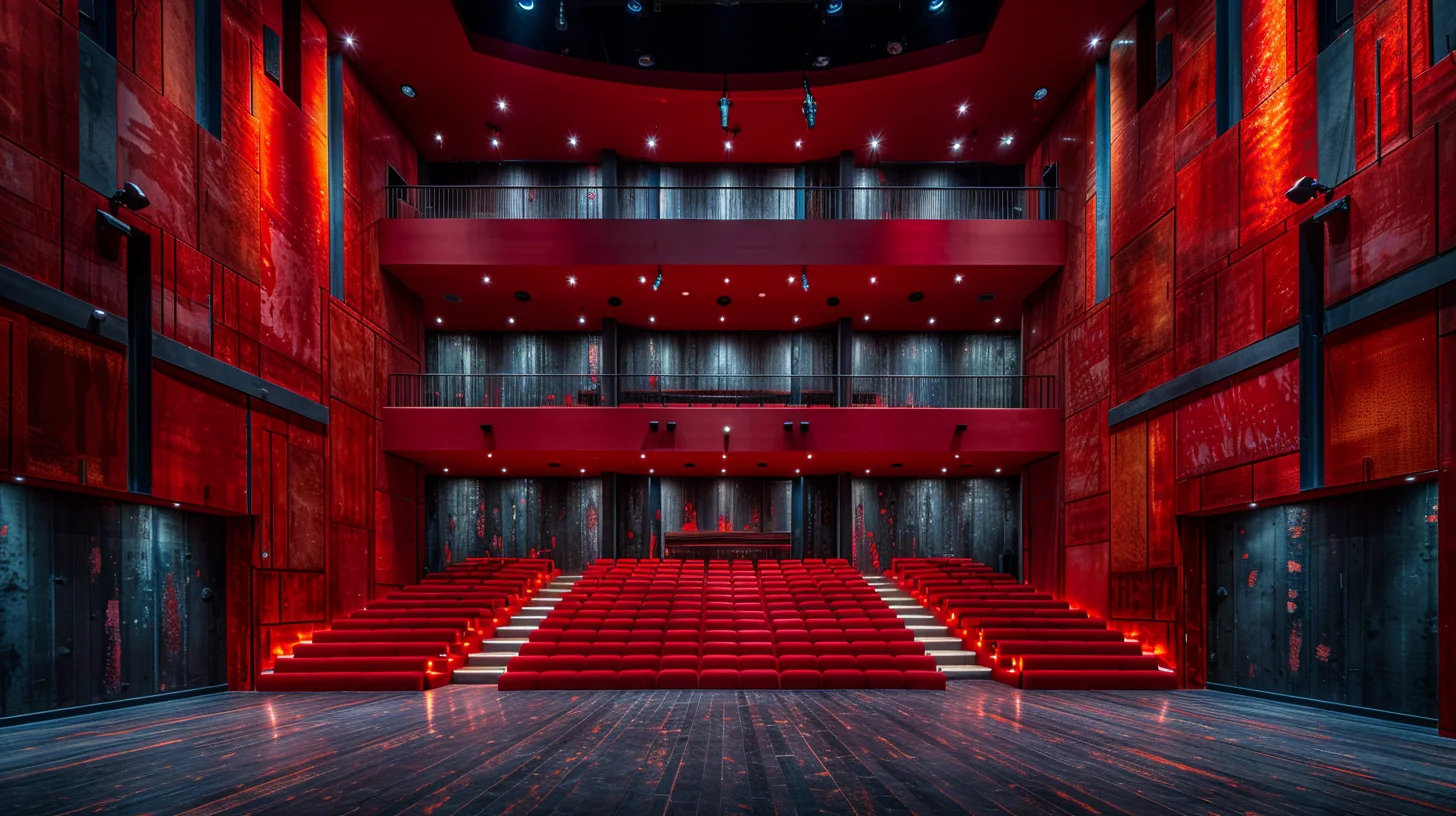
The National Theatre of Great Britain has long stood at the forefront of the performing arts, not only as a beacon of theatrical excellence within the UK but also as a pivotal force in fostering global cultural exchange. Through its innovative productions, inclusive programming, and the transformative initiative of NT Live, the National Theatre has significantly impacted the global cultural landscape, reshaping how audiences and artists alike engage with the performing arts.

Since its inception in 1963, the National Theatre has been dedicated to presenting a wide array of works from both British and international playwrights, thus serving as a vital conduit for cultural dialogue. This commitment has facilitated a deeper understanding and appreciation of diverse narratives and traditions, encouraging empathy and interconnectedness among global audiences. The theatre's collaborations with international artists and companies further enhance this exchange, allowing for a rich blend of perspectives that challenge and enrich the global theatre scene.

Moreover, the National Theatre's educational programs and outreach initiatives play a crucial role in demystifying the performing arts, making them more accessible to people from various backgrounds. By engaging with communities across the globe through workshops, discussions, and digital content, the National Theatre ensures that the transformative power of theatre is accessible to all, fostering a more inclusive cultural dialogue.

The launch of NT Live in 2009 marked a significant milestone in the National Theatre's mission to democratize access to the performing arts. By broadcasting its productions live to cinemas worldwide, NT Live has effectively eliminated geographical and economic barriers, allowing audiences from different corners of the globe to experience world-class theatre. This initiative not only extends the reach of the National Theatre's productions but also amplifies the impact of its work, introducing the magic of live theatre to a broader, more diverse audience.

NT Live's contribution to the global cultural exchange is multifaceted. It not only provides a platform for showcasing the best of British theatre on an international stage but also encourages a global conversation around the themes and issues explored in its productions. The high-definition broadcasts bring the intricacies of live performance to life, offering an immersive viewing experience that captures the immediacy and emotional depth of theatre. Through NT Live, the National Theatre has been able to share its pioneering spirit and creative excellence with the world, fostering a sense of global community united by a love for the performing arts.

The impact of the National Theatre of Great Britain on the global performing arts landscape and its role in fostering cultural exchange cannot be overstated. Through its innovative productions, inclusive approach, and the groundbreaking NT Live initiative, the National Theatre continues to challenge, inspire, and connect people across the globe. As it looks to the future, the National Theatre remains a shining example of how the arts can bridge cultures, enrich lives, and contribute to a more understanding and connected world.