Unraveling the Mysteries of the Iron Pillar of Delhi

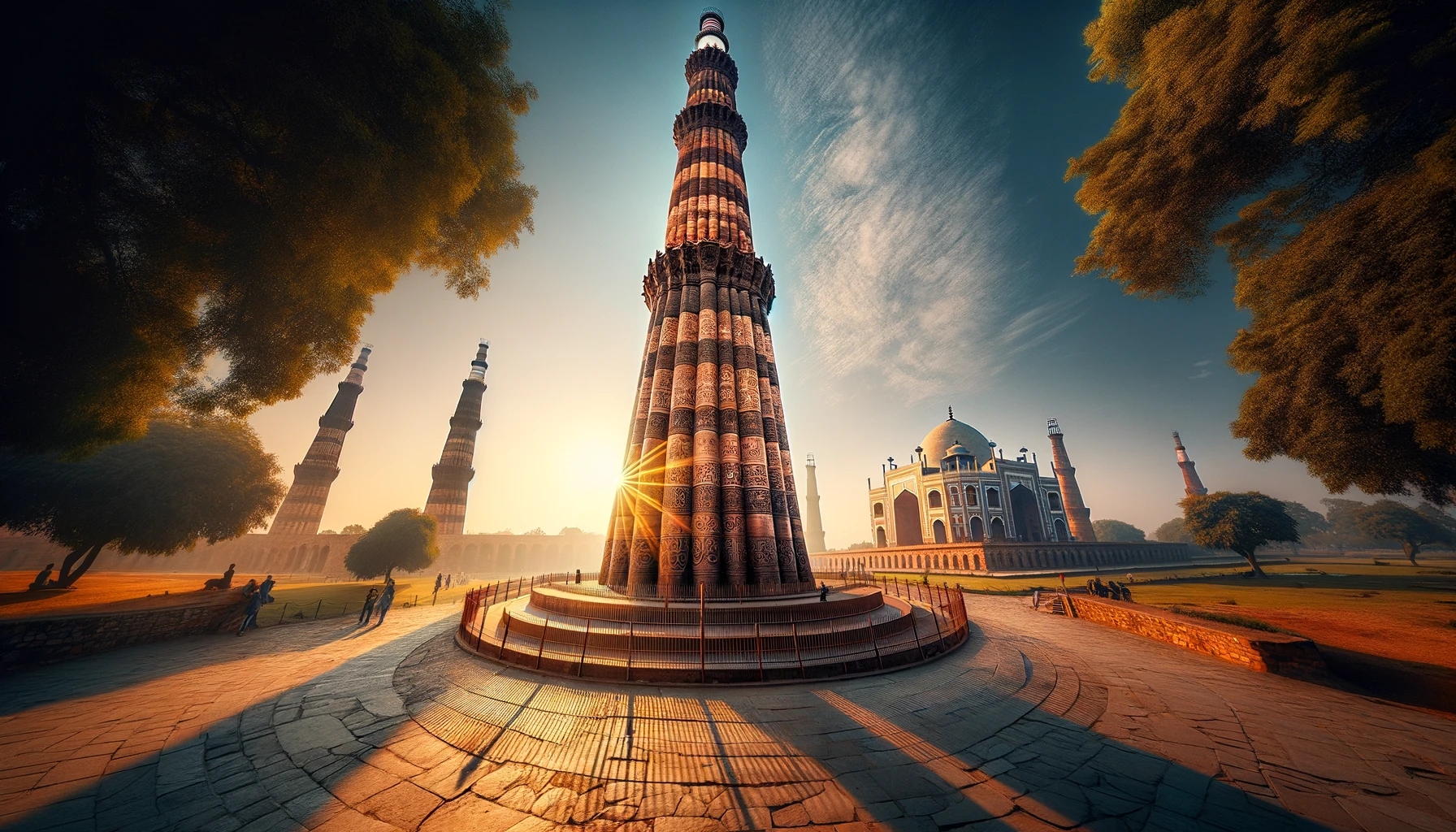
The Iron Pillar of Delhi, a marvel of ancient Indian engineering and metallurgy, stands as a testament to the advanced technological and artistic achievements of early civilizations. Located within the Qutub Minar complex in Mehrauli, Delhi, this iron column has defied the elements for over 1,600 years, remaining remarkably rust-free and enduring as a symbol of India's rich historical and cultural legacy.

The pillar, which towers at a height of 7.21 meters and weighs over six tonnes, was likely constructed during the reign of Chandragupta II around 400 CE, a period marked by significant advancements under the Gupta Empire. The pillar's Sanskrit inscription eulogizes a king named Chandra, widely accepted as Chandragupta II, and references its establishment as a Vishnu dhvaja (standard of Vishnu) on a hill known as Vishnupada.

One of the most intriguing aspects of the Iron Pillar is its exceptional resistance to corrosion, attributed to the high purity of the wrought iron used in its construction and a low carbon content. Interestingly, it contains traces of phosphorus which, along with the dry and less humid climate of Delhi, contributes to its longevity. The pillar's structure, crafted through sophisticated techniques of forging and welding, showcases the skill and knowledge of ancient Indian metallurgists.

Despite its historical and scientific significance, the Iron Pillar also holds a place in local lore, adorned with several small bells added during the Mughal period, which further enrich its storied past.

The conservation of the Iron Pillar continues to be a priority, with efforts focused on mitigating environmental impacts and preserving its integrity for future generations. The Archaeological Survey of India (ASI) has implemented various measures including protective coatings and regular maintenance to protect this ancient relic from the ravages of time and pollution.

In conclusion, the Iron Pillar of Mehrauli not only serves as a fascinating object of scientific study but also as a cultural beacon that draws visitors from around the world, eager to glimpse this enduring symbol of ancient ingenuity and spirituality. Whether seen through the lens of metallurgy, history, or culture, the Iron Pillar of Delhi stands as a proud marker of India's sophisticated past and its ongoing story.

Orthodox Easter Explained Why It Differs From Catholic Celebrations

Orthodox Easter, also known as Pascha, is the most significant religious celebration for Orthodox Christians, marking the resurrection of Jesus Christ. It is a festival rich in history, tradition, and profound spiritual symbolism, distinctly observed from its Western counterpart. This article delves into the nuances of Orthodox Easter, exploring its differences from Catholic Easter, the various customs around the world, and its historical background.

Orthodox Christians follow the Julian calendar for religious holidays, unlike the Gregorian calendar used by Catholics and Protestants. This calendar difference results in Orthodox Easter usually being celebrated later than Catholic Easter, although occasionally they coincide. The determination of Orthodox Easter involves the first full moon following the vernal equinox and must always fall after Jewish Passover, ensuring adherence to the biblical sequence of Christ’s Passion.

The celebration begins with Lent, a 40-day period of fasting and repentance leading up to Holy Week, which is more austere in the Orthodox tradition. Orthodox Christians abstain from meat, dairy, and eggs to purify both body and soul, preparing them for the resurrection’s celebration. Holy Week itself is filled with daily services, each marking a different part of Jesus' journey to the cross. Notable services include the reading of the twelve Gospels on Holy Thursday and the Lamentations on Holy Friday evening, where the faithful lament over the tomb of Christ, which is often decorated with flowers.

Another distinctive aspect of Orthodox Easter is the midnight service on Easter Sunday. The church is initially darkened, then filled with light symbolizing Christ's resurrection as the priest announces, "Christ is risen!" and the congregation responds, "He truly is risen!" This moment is followed by the distribution of lighted candles to the congregants, spreading the light throughout the church and into their homes. The faithful carry their candles home, often trying to keep the flame alive, which symbolizes keeping the light of Christ alive in their lives.

Following the midnight service, a festive meal breaks the Lenten fast. This meal typically includes rich, flavorful dishes such as lamb, a symbol of Christ as the Paschal Lamb, and tsoureki, a sweet, braided bread representing the intertwining of the Holy Trinity. Red eggs, dyed to symbolize the blood of Christ and the promise of eternal life, are cracked against each other to see whose egg will remain whole, symbolizing victory over death.

Globally, Orthodox Easter is celebrated with diverse traditions that reflect local customs and cultural influences. In Greece, fireworks light up the sky at midnight, celebrating the resurrection with exuberance and joy. In Russia, the "Paschal greeting" is exchanged along with gifts of eggs and cakes. In Ethiopia, followers often attend church ceremonies that last throughout the night, dressed in traditional white robes.

The historical roots of Orthodox Easter go back to the early Christian church’s foundation. The First Ecumenical Council of Nicaea in 325 AD standardized the date of Easter, establishing the formula that Orthodox Christians continue to follow today. This decision was made to unify the celebration of Easter among all Christians, although differences in calendars and interpretations later led to the divergence of Easter celebrations.

Despite the differences in dates and customs, the essence of Easter remains the same across Christian denominations: a celebration of the resurrection of Jesus Christ, a cornerstone of Christian faith, offering hope and renewal to believers. It’s a time of communal gatherings, heartfelt rituals, and spiritual reflection, deeply embedded in the cultural fabric of each Orthodox community.

Orthodox Easter not only commemorates a pivotal event in Christianity but also reinforces the continuity of ancient traditions, enriching the faith of generations across the globe. As the world becomes increasingly interconnected, these celebrations offer a valuable opportunity for cultural exchange and mutual understanding among different Christian communities, emphasizing shared values and the universal message of hope and rebirth inherent in the Easter celebration.

Cinco de Mayo Celebrations Illuminate the Valor of Puebla

Every year on the fifth of May, a festive spirit envelops various parts of the world as people celebrate Cinco de Mayo. This day commemorates the unexpected victory of Mexican forces over the French army at the Battle of Puebla in 1862. More than just a celebration of a single battle, Cinco de Mayo has evolved into a global event that honors Mexican heritage and demonstrates the enduring spirit of resistance and courage that characterizes Mexican history.

The Historical Context

The significance of Cinco de Mayo is deeply rooted in the historical struggles of Mexico. Following the Mexican-American War and the Reform War, Mexico was financially crippled, leading to President Benito Juárez's suspension of foreign debt payments in 1861. This act prompted France, Britain, and Spain to send naval forces to Mexico demanding repayment. Britain and Spain negotiated settlements and withdrew, but France, under Napoleon III, seized the opportunity to carve an empire out of Mexican territory, citing the debt default as a pretext for invasion.

In 1862, a well-equipped French force of 6,000 men marched towards Mexico City, expecting little resistance. They were met at Puebla by a much smaller and less equipped Mexican army under the command of General Ignacio Zaragoza. The ensuing battle on May 5th ended in a remarkable victory for the Mexican forces. This victory did not end the war but symbolized a significant moral triumph that galvanized the resistance movement within Mexico.

Cinco de Mayo Today

While Cinco de Mayo is observed in Mexico, it is not treated with the same level of significance as Mexican Independence Day, which is celebrated on September 16. Instead, Cinco de Mayo has found a particularly resonant echo in the United States, where it serves as a day to celebrate Mexican-American culture.

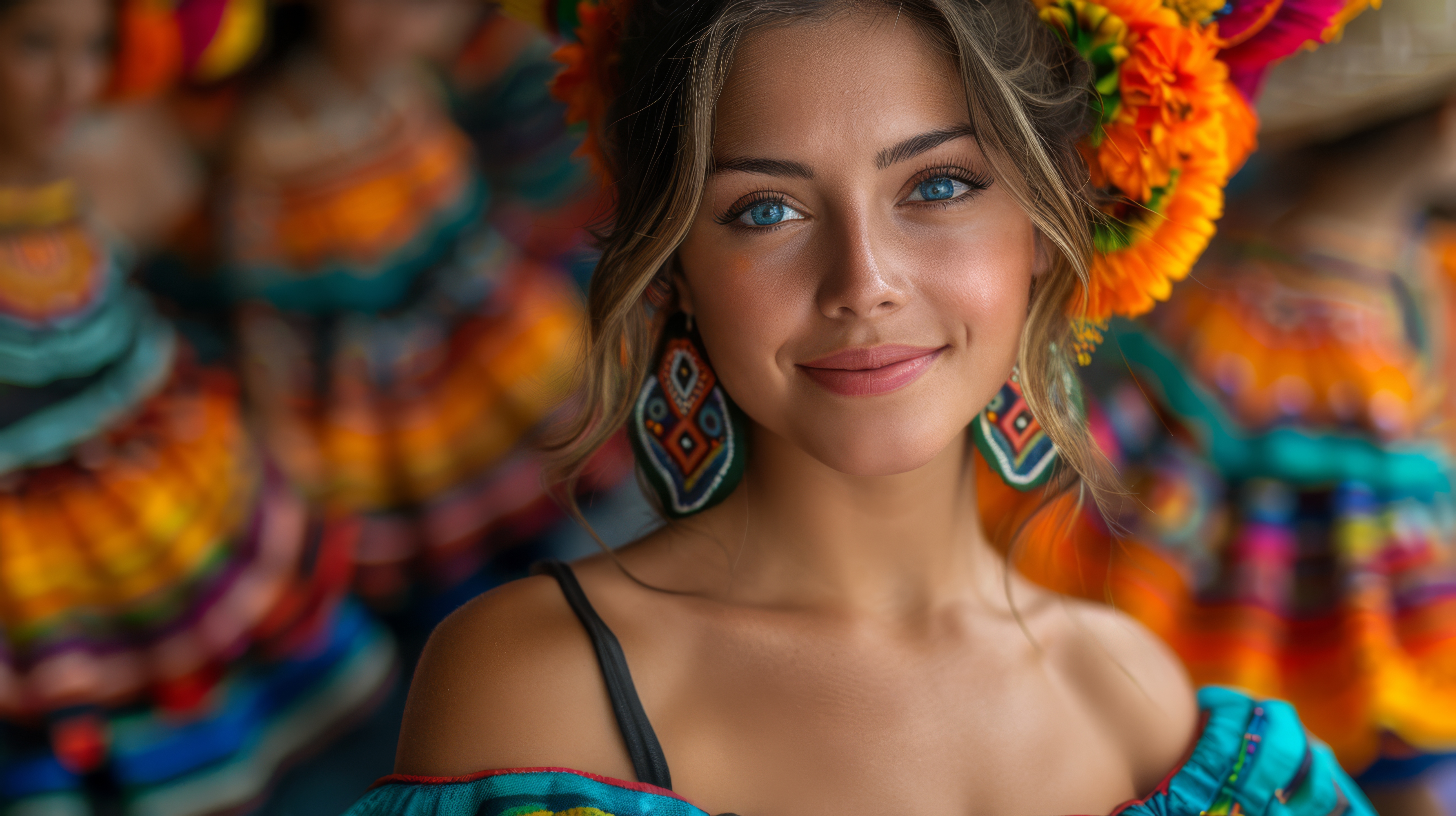
Across the U.S., Cinco de Mayo prompts extensive celebrations, featuring parades, live music, showcases of folkloric dance, and other cultural exhibitions. These events not only celebrate Mexican culture but also emphasize the Mexican-American community's contribution to the U.S. Cities with significant Mexican-American populations, such as Los Angeles, Chicago, and Houston, see large-scale festivities, with streets lined with decorations and filled with the sounds of mariachi music.

The Cultural Significance

Cinco de Mayo has become a day to celebrate identity and pride among the Mexican-American community in the U.S. This celebration has also grown to include a wider appreciation of Mexican culture by non-Mexican individuals, promoting a broader cultural exchange. Educational aspects are often incorporated, with schools and communities using the day as an opportunity to teach about Mexican history and culture.

Moreover, the commercial impact of Cinco de Mayo is significant, with sales of Mexican food and beverages seeing a substantial increase. Restaurants and bars often feature special menus with traditional Mexican dishes and drinks like tacos, mole poblano, margaritas, and tequila.

Challenges and Criticisms

Despite the festive nature of Cinco de Mayo, it is not without its controversies. Some critics argue that the day has been commercialized extensively in the U.S., straying far from its historical roots and reducing a significant cultural celebration to an excuse for excessive drinking and stereotypical portrayals of Mexican culture. This commercialization often obscures the day's historical significance and its potential to promote genuine understanding and respect for Mexican heritage.

Moreover, while Cinco de Mayo is celebrated extensively in the U.S., it is sometimes mistakenly regarded as Mexican Independence Day by those unfamiliar with its actual historical context. This confusion further complicates the cultural understanding and appreciation of the day.

The Way Forward

For Cinco de Mayo to retain its cultural and historical significance, there is a call for a more nuanced celebration that honors its roots. This involves not only partaking in festivities but also engaging in educational initiatives that highlight the historical context and cultural depth of the holiday. Through such balanced celebrations, Cinco de Mayo can serve as a bridge that enhances cultural understanding and strengthens community bonds.

The Legendary Legacy of Akira Toriyama

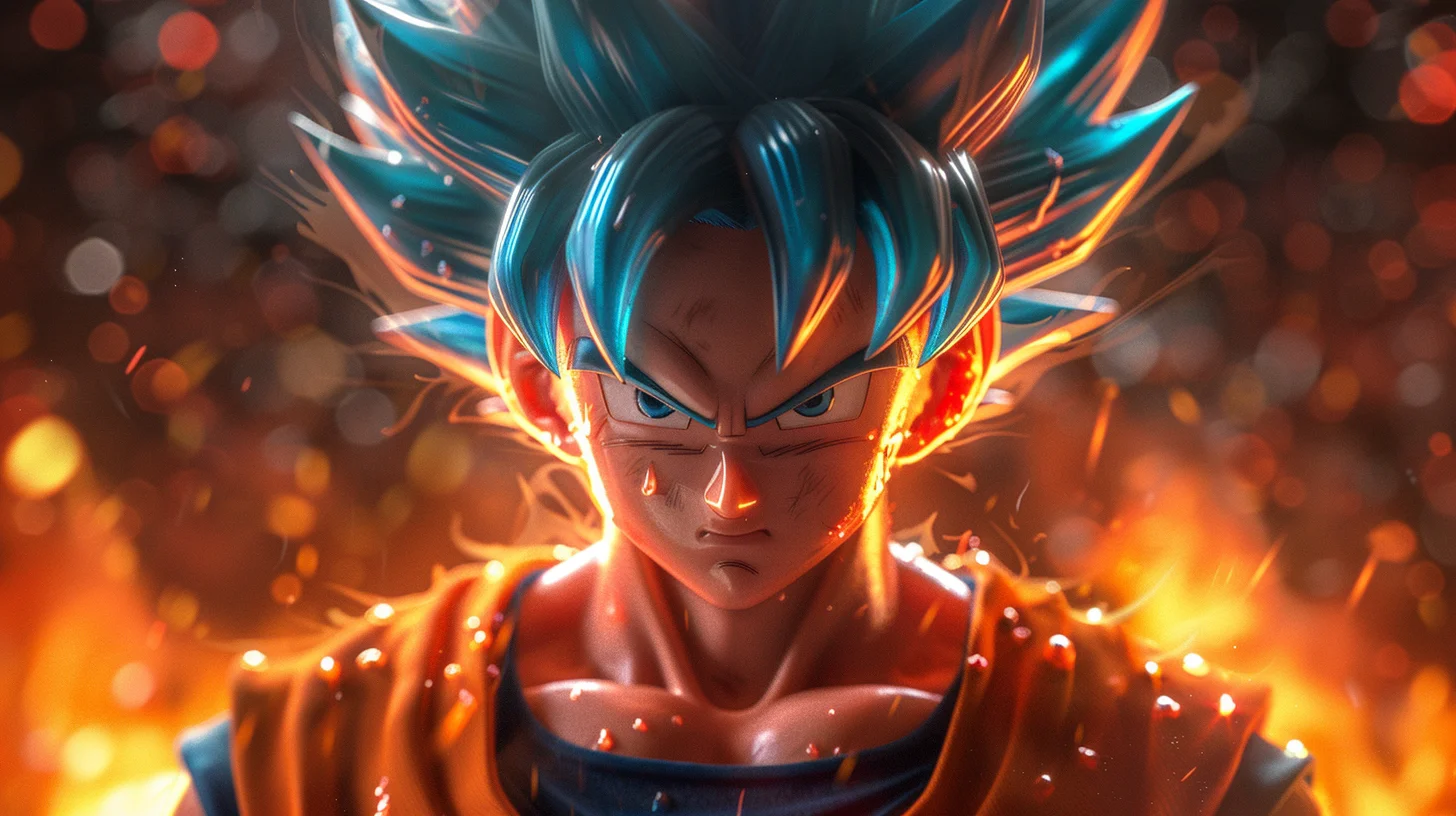
The realm of manga and anime was forever changed by the genius of Akira Toriyama, a luminary whose creations transcended the boundaries of culture, language, and age. With the news of his passing at 68, the global community mourns the loss of an icon whose work has been a cornerstone of pop culture for decades. His journey from a burgeoning artist to the creator of the universally acclaimed Dragon Ball series is a testament to his enduring legacy and the profound impact he had on both the industry and its fans.

Born in Nagoya, Japan, in 1955, Toriyama's early forays into the world of manga were met with immediate recognition, signaling the onset of a remarkable career. His unique style, characterized by dynamic character designs and immersive storytelling, quickly set him apart. However, it was the creation of "Dragon Ball" in 1984 that catapulted him to international stardom. The series, following the adventures of Son Goku and his quest for the magical Dragon Balls, not only captivated millions of readers and viewers but also redefined the shonen genre.

"Dragon Ball" and its sequels, including "Dragon Ball Z," "Dragon Ball GT," "Dragon Ball Kai," and "Dragon Ball Super," expanded the narrative universe Toriyama had created, introducing a complex tapestry of characters, planets, and battles that enthralled a global audience. The franchise's success was unparalleled, giving rise to an extensive range of adaptations from animated series to movies, video games, and more, each contributing to the saga's legendary status.

Beyond the commercial success, Toriyama's influence permeated the creative industry, inspiring a generation of artists and storytellers. His approach to manga, with its emphasis on fluid action sequences, intricate plotlines, and a deep sense of camaraderie among its characters, set new standards for the genre. Esteemed contemporaries, including Masashi Kishimoto of "Naruto" and Eiichiro Oda of "One Piece," have openly cited Toriyama as a major influence on their work, underscoring his role in shaping the modern landscape of manga and anime.

Toriyama's legacy, however, extends beyond the accolades and the global fanbase he amassed. His work is a beacon of creativity and imagination, encouraging others to pursue their passions and explore their own storytelling potentials. The themes of friendship, perseverance, and the quest for self-improvement that run through his works resonate with audiences, offering not just entertainment but also valuable life lessons.

The news of Toriyama's death brought a wave of tributes from fans, industry peers, and public figures worldwide, each reflecting on the joy and inspiration derived from his creations. In China, where his works hold a special place, officials and fans alike expressed their sorrow and gratitude for the joy Toriyama's stories have brought into their lives. This universal outpouring of respect and love is a testament to the indelible mark he left on the world.

As we reflect on Akira Toriyama's monumental contributions, it's clear that his vision has fundamentally altered how stories are told and experienced in the manga and anime domains. His ability to blend humor, action, and heart has not only defined a genre but also fostered a community that spans the globe. Though he may have left us, his creations continue to inspire, entertain, and resonate with millions. Akira Toriyama's legacy is not just in the characters and worlds he crafted but in the countless hearts he touched and the creative spirits he ignited.

In remembrance of his extraordinary life and career, it is crucial to acknowledge not just what Toriyama achieved but also what he represented: a boundless imagination, a relentless pursuit of creativity, and a profound understanding of the human spirit. His work reminds us of the power of storytelling to connect, uplift, and inspire. As we look to the future, let us carry forward the lessons of resilience, friendship, and adventure that Toriyama so masterfully wove into the fabric of his narratives.

Akira Toriyama's story is one of unparalleled success, but more importantly, it is a narrative of how art can transcend boundaries and how one individual's vision can leave an indelible mark on the world. As the global community continues to celebrate his life and contributions, his spirit lives on through the timeless tales he told. In every page of his manga, in every episode of his anime, Toriyama invites us to dream, to explore, and to believe in the power of imagination. His legacy is immortal, a testament to the enduring appeal of his extraordinary vision.

Traversing the Spiritual Divide: Orthodox versus Catholic Beliefs

Within the vast expanse of Christianity, the Orthodox and Catholic churches stand as towering pillars, each rooted in deep historical and spiritual traditions. These two branches of Christianity, while sharing a common foundation in the life and teachings of Jesus Christ, diverge on several key theological, ecclesiastical, and liturgical aspects. This exploration sheds light on their distinctive beliefs and practices, underscoring the diversity within the Christian faith.

At the heart of their differences is the leadership structure that each church upholds. The Catholic Church is organized under the leadership of the Pope, who is considered the Vicar of Christ on earth. This centralization of authority is rooted in the belief that Saint Peter, the first bishop of Rome, was granted full authority by Christ, a legacy that his successors inherit. This belief manifests in the doctrines of Papal primacy and infallibility, suggesting that the Pope, under specific conditions, is preserved from error in teachings on faith and morals.

Contrastingly, the Orthodox Church operates with a decentralized leadership model, emphasizing a conciliar approach where decisions are made collectively by bishops. This tradition does not recognize the primacy of the Pope as an overarching authority over its affairs. Instead, the Ecumenical Patriarch, while holding a position of honor, is seen as the first among equals, without jurisdiction over other Orthodox churches.

The theological rift extends into the procession of the Holy Spirit, known as the Filioque controversy. The Catholic Church’s addition of "and the Son" to the Nicene Creed’s description of the Holy Spirit’s procession diverges from the Orthodox stance, which adheres to the creed’s original wording that asserts the Holy Spirit proceeds from the Father alone. This addition by the Catholic Church has been a point of contention and remains a defining theological difference.

Sacramental and liturgical practices further distinguish the two, notably in the Holy Communion and the role of icons. The Orthodox tradition uses leavened bread for the Eucharist, reflecting its theological nuances, whereas the Catholic Church uses unleavened bread. Iconography holds a central place in Orthodox worship, with icons serving as windows to the divine. The Catholic Church, while embracing sacred images, historically approached icon veneration with more caution.

Clerical celibacy marks another difference; the Catholic Church mandates celibacy for its priests and bishops, whereas the Orthodox Church allows married men to be ordained as priests, although bishops must remain celibate. Moreover, theological divergences are apparent in views on purgatory, the Immaculate Conception, and the nature of grace, with the Orthodox Church rejecting certain doctrines upheld by the Catholic Church.

Despite these differences, it’s essential to acknowledge the shared belief in Christ and the Gospel that unites the Orthodox and Catholic faithful. Both traditions cherish the sacraments, scriptures, and ancient creeds that have guided Christians through the ages. Efforts toward dialogue and reconciliation continue, reflecting a shared desire for unity within the broader Christian community.