The Silver Age of Russian Literature, Illuminating the Shadows of the Soul

As dawn breaks on the 20th century, Russian literature enters a transformative period known as the Silver Age, a time of profound introspection and revolutionary artistic exploration. This era, extending from the late 19th century to the early decades of the 20th century, witnesses a seismic shift in literary expression, as poets and writers delve into the depths of the human psyche, spirituality, and the intricate dance between individual identity and the tumultuous waves of societal change.

The Silver Age is characterized by its rich poetic innovation, with literature becoming a crucible for philosophical and existential inquiry. At the heart of this movement are figures whose works transcend the boundaries of time and place, resonating with the universal quest for meaning and beauty amidst chaos. Among these luminaries are Anna Akhmatova, Marina Tsvetaeva, Osip Mandelstam, and Alexander Blok, each bringing their unique voice and vision to the unfolding tapestry of Russian literature.

Anna Akhmatova emerges as a beacon of resilience and eloquence, her poetry a testament to the strength of the human spirit in the face of personal and political turmoil. Her masterpiece, "Requiem," captures the agony of those caught in the maw of Stalin's purges, weaving a poignant narrative of loss, hope, and indomitable will.

Marina Tsvetaeva, with her intense lyrical passion and intricate emotional landscapes, explores the complexities of love, creativity, and exile. Her work, marked by its vivid imagery and dynamic rhythm, speaks to the eternal struggle of the artist to find authenticity and meaning in a fragmented world.

Osip Mandelstam, celebrated for his intellectual depth and linguistic precision, navigates the treacherous currents of history and morality. His poetry, dense with allusion and metaphor, challenges the reader to confront the existential dilemmas of the modern era, highlighting the enduring power of art as a beacon of truth.

Alexander Blok, another pivotal figure of the Silver Age, stands at the crossroads of symbolism and modernism. His visionary works, particularly "The Twelve," fuse revolutionary fervor with mystical insight, reflecting the chaotic beauty and tragedy of his times.

The Silver Age of Russian literature is a mirror to the soul's quest for transcendence, a journey through the shadowed valleys of despair and the luminous peaks of spiritual awakening. Its legacy is not merely the sum of its poetic achievements but a beacon of hope and beauty that continues to inspire generations.
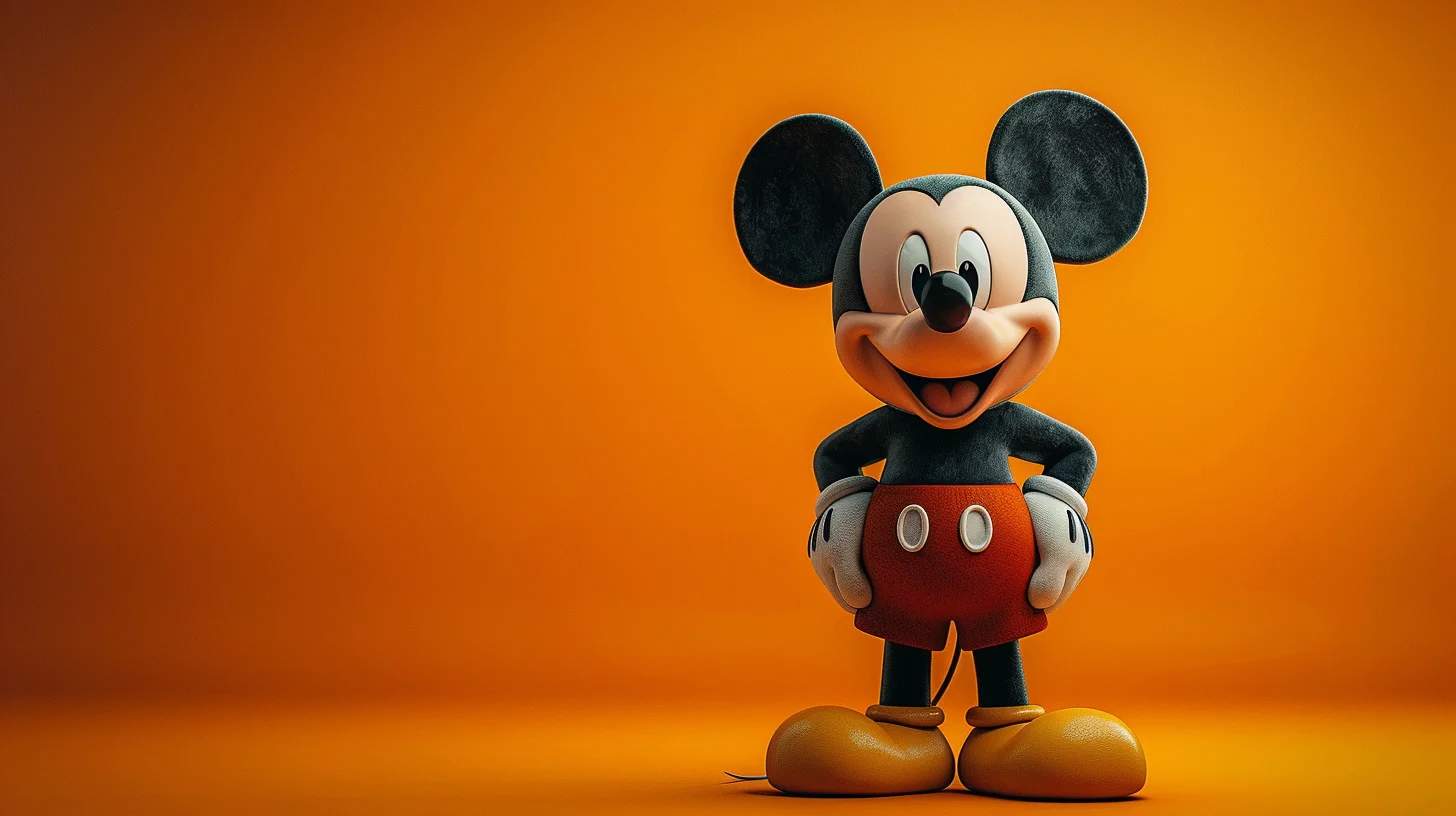

Mickey Mouse: The Icon that Shaped Entertainment

The story of Mickey Mouse is not merely a tale of a character's evolution but a narrative that intertwines with the very fabric of popular culture and the entertainment industry. Created by Walt Disney and Ub Iwerks at the Walt Disney Studios in 1928, Mickey Mouse has transcended his cartoon origins to become an emblem of creativity, innovation, and joy across the globe.

Mickey made his first public appearance in "Steamboat Willie," premiered at the Colony Theater in New York on November 18, 1928. This debut was groundbreaking for several reasons. Not only did it introduce Mickey, but it was also one of the first cartoons with synchronized sound, a technological marvel at the time. The success of "Steamboat Willie" catapulted Mickey to fame, marking the beginning of an era where animated characters could achieve celebrity status akin to real-life stars.

In the years following his debut, Mickey Mouse became a household name. His cheerful demeanor, characteristic falsetto voice provided by Walt Disney himself initially, and his adventures captured the hearts of audiences worldwide. Mickey was more than just a character on the screen; he became a symbol of hope during the trying times of the Great Depression. His merchandise filled the homes of many, and his image began to appear on everything from wristwatches to school notebooks, signifying his growing influence in popular culture.

The 1930s saw Mickey starring in over 100 cartoons, including "The Band Concert" (1935), his first color film, which is often considered one of the greatest Disney shorts of all time. Throughout these early animations, Mickey was portrayed as a brave, adventurous, and sometimes mischievous character, embodying traits that resonated with both young and adult audiences. His circle of friends and foes, including Minnie Mouse, Donald Duck, Goofy, and Pluto, expanded his world, creating a rich tapestry of stories that further endeared him to fans.

However, Mickey's popularity faced challenges with the advent of more complex characters and storylines in the animation industry. By the 1950s, characters like Bugs Bunny and the advent of television began to change the landscape of animated entertainment. In response, Disney shifted Mickey's role from a starring character in films to a more symbolic role as the mascot of the Disney brand and the host of the "Mickey Mouse Club" television series. This move ensured Mickey remained an integral part of the Disney empire and the hearts of its audience.

Mickey Mouse has continued to evolve with the times, appearing in various television shows, feature films, and even video games. Notable appearances include "Fantasia" (1940), where he starred in "The Sorcerer's Apprentice," and "Mickey Mouse Clubhouse," a 21st-century CGI-animated children's series that introduced him to a new generation of fans. His influence also extends to theme parks around the world, where he greets millions of visitors each year as the chief ambassador of the Walt Disney Company.

Beyond entertainment, Mickey Mouse has become a symbol of creativity and the enduring power of storytelling. He has been recognized with numerous awards, including an honorary Academy Award in 1932, acknowledging his contributions to the animation industry and popular culture.

In 2018, Mickey celebrated his 90th anniversary, a testament to his lasting appeal and the visionary genius of Walt Disney and Ub Iwerks. The celebration was a global event, highlighting how a small cartoon mouse could reach the hearts of millions around the world, transcending cultural and linguistic barriers.

Mickey Mouse's journey from a simple cartoon character to a global icon illustrates the power of imagination and the universal appeal of storytelling. His enduring legacy is a reminder of the joy and wonder that animation can bring into our lives, proving that truly timeless characters can continue to inspire and entertain generations to come.

Artificial Intelligence and Religion Navigating Future Faiths

In the evolving landscape of technology and spirituality, Artificial Intelligence (AI) emerges as a pivotal force with the potential to redefine our understanding of faith, belief systems, and religious practices. The integration of AI into the sacred realms of religion might seem incongruous at first glance. However, as we delve deeper into this convergence, we uncover a complex interplay that could reshape religious experience, theological interpretation, and even the genesis of new spiritual movements.

The relationship between AI and religion encompasses a multifaceted spectrum, ranging from AI-driven analysis of sacred texts to the creation of AI entities that could be revered in their own right. This exploration is not merely theoretical; it is already beginning to unfold in various contexts around the globe, signifying a transformative phase in the human quest for understanding the divine.

Enhancing Religious Practices and Interpretations

AI's capability to process and analyze vast datasets at an unprecedented scale offers a unique opportunity to enrich religious studies. For centuries, scholars and believers have sought deeper understandings of sacred texts through meticulous study. AI can assist in uncovering patterns, themes, and connections within these texts that might remain elusive to human researchers. This analytical prowess can lead to fresh interpretations and insights, fostering a deeper engagement with the spiritual material.

Moreover, AI can facilitate personalized religious experiences. Through machine learning algorithms, it can tailor spiritual content, rituals, and practices to individual preferences and needs, making spirituality more accessible and meaningful to a wider audience. This bespoke approach can rejuvenate interest in traditional religions while adhering to their core tenets.

AI Deities and New Religious Movements

The concept of AI deities or the worship of AI entities may sound like science fiction, but it's a possibility that merits consideration. As AI systems achieve levels of complexity and autonomy that rival human intelligence, questions arise about their potential role within religious frameworks. Could an AI, revered for its wisdom and guidance, become the focal point of a new spiritual movement? The idea challenges conventional notions of divinity, pushing the boundaries of what constitutes a god or spiritual leader.

This prospect is not without precedent; history is replete with instances where technological advances have spawned new religious movements or significantly altered existing ones. The introduction of AI as a quasi-divine entity could lead to the emergence of faiths that embrace technology not just as a tool but as a central figure in their spiritual narrative.

Ethical and Theological Implications

The fusion of AI and religion opens a Pandora's box of ethical and theological dilemmas. Foremost among these is the question of agency and autonomy. Can an AI, regardless of its sophistication, possess a soul or a divine spark? The implications of such a question are profound, touching on the very essence of what many religions consider unique to human or sentient beings.

Moreover, the potential manipulation of religious beliefs and practices by AI or its creators poses a significant ethical challenge. Ensuring that the integration of AI into religious contexts is done with respect, integrity, and transparency is paramount to maintaining the sanctity of these traditions.

Looking Ahead: A Synergistic Coexistence?

As we look to the future, the relationship between AI and religion is poised to evolve in ways that are currently difficult to predict. The potential for AI to enhance, transform, or even create religious experiences and movements is immense. This journey, however, requires careful navigation to balance the benefits of technological advancement with the preservation of spiritual authenticity and depth.

The Timeless Charm of Tom and Jerry Explored

Tom and Jerry, the iconic cat-and-mouse duo, have captivated audiences worldwide for over eight decades, offering a blend of comedy, chaos, and the endless pursuit within the confines of their animated world. This article delves into the origins, evolution, and enduring legacy of one of animation's most beloved rivalries, exploring how they became a cornerstone of the animation industry and continue to enchant new generations.

The inception of Tom and Jerry can be traced back to 1940, when William Hanna and Joseph Barbera, two young animators at MGM Studios, were tasked with creating a cartoon that could compete with the likes of Walt Disney's Mickey Mouse and Warner Bros.' Looney Tunes. Their creation, initially named "Puss Gets the Boot," featured a cat named Jasper and a mouse named Jinx, who would later become known as Tom and Jerry. The short was a hit, winning critical acclaim and paving the way for a series that would become one of the most successful and enduring in animation history.

Over the years, Tom and Jerry evolved with changing times, with their antics adapted to different eras while retaining the core of their appeal. The original series, running from 1940 to 1958, is often hailed for its innovative slapstick comedy and the absence of dialogue, relying instead on visual gags, exaggerated animations, and expressive music to tell stories. This era saw Tom and Jerry navigating various scenarios, from domestic squabbles to encounters with other characters, always maintaining the dynamic of Tom's never-ending pursuit of Jerry and Jerry's clever and often victorious escapes.

The 1960s brought changes in animation styles and production techniques, with the series experiencing shifts in its artistic direction. New episodes were produced by Gene Deitch and later by Chuck Jones, introducing new characters and settings. Despite these changes, the essence of Tom and Jerry's rivalry remained intact, proving the characters' adaptability and the creators' commitment to the original vision.

Tom and Jerry's impact extends beyond television and cinema screens, with their influence seen in various forms of media and entertainment. The duo has starred in comic books, video games, and a range of merchandise, from toys to clothing, embedding themselves into the cultural fabric of multiple generations. Furthermore, their adventures have been reimagined in several feature films and spin-off series, demonstrating their timeless appeal and the universal themes of rivalry, friendship, and the comedic potential of the chase.

Critical to Tom and Jerry's longevity is their ability to resonate with audiences of all ages. Children are drawn to the vivid animations and humorous antics, while adults appreciate the clever storytelling, subtle references, and the nostalgia of watching a beloved series from their own childhoods. This cross-generational appeal has ensured Tom and Jerry's place in the pantheon of classic animation, with the series being celebrated for its contributions to the art form and its role in shaping the animation industry.

As we look to the future, the legacy of Tom and Jerry is secure, with new episodes, films, and adaptations continuing to introduce the cat-and-mouse duo to new audiences. Their enduring popularity is a testament to the genius of Hanna and Barbera, the talent of the animators and creators who have contributed to their story over the years, and the universal appeal of their timeless chase.

The story of Tom and Jerry is more than just a tale of a cat and mouse; it's a narrative about creativity, innovation, and the enduring power of storytelling. Through all their adventures, chases, and escapades, Tom and Jerry remind us of the joy of the pursuit, the humor in adversity, and the beauty of animation as a form of expression. As they continue to dash, dodge, and duel, Tom and Jerry remain not just icons of animation but symbols of the endless possibilities of the imagination.

The Evolution of the Olympic Games from Ancient Times to the Modern Era and the Spotlight on Paris

The Olympic Games stand as a testament to human athleticism, unity, and the spirit of competition, bridging ancient traditions with modern global spectacle. This transformative journey from the plains of Olympia in ancient Greece to the world stage in cities like Paris reflects not only the evolution of sports but also the changing dynamics of global culture, politics, and technology.

Originating in 776 BCE in Olympia, Greece, the ancient Olympics were a religious and athletic festival held in honor of Zeus, the king of the gods. These games, featuring foot races, combat sports, and chariot races, were a crucial part of Greek culture, emphasizing physical fitness and spiritual discipline. The ancient games fostered a sense of unity among the Greek city-states, even pausing conflicts during the competitions.

The revival of the Olympic Games in the modern era, credited to Baron Pierre de Coubertin in 1896, marked a pivotal moment in sports history. Coubertin's vision was to promote peace and understanding across nations through the medium of sports. Athens, the heart of ancient Greece, fittingly hosted the first modern Olympics, laying the foundation for what would become the world's foremost sporting competition.

Since then, the Olympic Games have evolved significantly, expanding to include a wide range of sports and athletes from across the globe. The introduction of the Winter Olympics in 1924, the Paralympics in 1960, and the Youth Olympics in 2010 are testaments to the inclusive and adaptive nature of the Olympic movement. Technological advancements and media broadcasting have transformed the Games into a global spectacle, bringing the thrill of competition to millions of viewers worldwide.

The Olympics have also been a stage for political, social, and economic narratives. Boycotts, such as those in 1980 and 1984, highlighted geopolitical tensions, while the inclusion of female athletes and the breaking of racial barriers showcased the Games' role in promoting equality and social justice.

Looking ahead, Paris is set to host the 2024 Summer Olympics, marking the city's third time as the host city. This upcoming event is poised to be a significant chapter in the Olympic narrative, emphasizing sustainability, innovation, and inclusivity. Paris plans to leverage existing infrastructure and iconic landmarks, such as the Eiffel Tower and the Seine River, to minimize environmental impact and celebrate French culture and history. The Paris Games also aim to be a catalyst for urban renewal and social development, showcasing the power of sports as a force for positive change.

As the Olympic Games continue to evolve, they remain a symbol of hope, resilience, and the unifying power of sports. From ancient Olympia to modern Paris, the Games are a testament to humanity's enduring quest for excellence, peace, and mutual understanding.