Chess Grandmasters and AI Shape Future Strategies

The intellectual game of chess has always been a battleground not only of wits and strategies but also of evolving paradigms, especially with the advent of artificial intelligence (AI) in the scene. The traditional game, known for its deep historical roots and complex strategic depth, has seen a revolutionary shift in how strategies are formulated, analyzed, and executed. This shift is predominantly due to the interaction between human intelligence and artificial intelligence.

The relationship between chess and AI took the spotlight with IBM's Deep Blue defeating the reigning world champion, Garry Kasparov, in 1997. This event was not merely a spectacle but a harbinger of the changing landscape of chess. AI, since then, has evolved from a mere competitor to a sophisticated tool that assists in the training and development of chess players, from novices to grandmasters.

Today's AI chess engines, like Stockfish and AlphaZero, offer an unprecedented depth of analysis, capable of evaluating millions of positions per second and uncovering strategies that have reshaped the understanding of chess. These engines don't just calculate better moves; they introduce a new style of play, emphasizing dynamic elements and long-term positional advantages over immediate tactical gains. This has led to a symbiotic relationship where AI provides the analytical power and humans contribute the creative and psychological elements, blending calculation with intuition.

The influence of AI on chess strategy can be seen in the preparation and adaptation of grandmasters for high-stakes tournaments. Players now have access to a vast database of games, where AI-driven analysis tools can pinpoint weaknesses in both their and their opponents' strategies. This level of preparation has elevated the game, making encounters at the top level more competitive and unpredictable.

Moreover, AI has democratized chess learning, allowing enthusiasts at all levels to access tools and resources once reserved for the elite. Through platforms like Lichess and Chess.com, players can analyze their games, receive instant feedback, and engage with tailored training modules, all of which are powered by sophisticated AI algorithms. This accessibility has spurred a global resurgence in chess's popularity, evidenced by the surge in online play and viewership of chess tournaments.

The integration of AI into chess has not been without its detractors. Some purists argue that the reliance on AI for preparation and analysis dilutes the game's human element, reducing creativity and favoring those who can best leverage technology. However, the prevailing view is that AI enriches chess, pushing the boundaries of what is strategically possible and fostering a deeper, more nuanced appreciation of the game.

As we look to the future, the intersection of AI and chess promises further innovations. From enhancing educational tools to developing AI that can mimic the playing styles of historical chess legends, the potential is boundless. The ongoing dialogue between human intelligence and artificial intelligence in chess is not just about creating stronger players but about advancing our understanding of intelligence, strategy, and creativity.


Pinball Machines Journey Through Time

The fascinating history of pinball machines traces back to the 18th century, beginning as a French tabletop game called "bagatelle." Originally a mix of billiards and shuffleboard, players used a cue to shoot balls into holes guarded by metal pins. The game's evolution took a significant turn in the 1930s in America, morphing into the pinball machine we recognize today. This transformation was marked by the introduction of a coin-operated mechanism, a spring-loaded plunger to launch the ball, and the iconic glass-covered cabinet filled with lights, obstacles, and flippers.

The golden age of pinball machines emerged in the 1940s and 1950s, becoming a staple of American culture. They were found in arcades, bars, and other public spaces, symbolizing the post-war era's leisure and entertainment boom. However, the journey wasn't without its challenges. In the early 1940s, pinball was banned in many major cities across the United States, including New York City. The ban, lasting until the mid-1970s, was based on the belief that pinball was a game of chance rather than skill, associating it with gambling.

The turning point for pinball's legal battles came in 1976 when Roger Sharpe, a journalist and skilled pinball player, testified before the New York City Council. Demonstrating that pinball was a game of skill, Sharpe played a decisive shot in a demonstration, leading to the lifting of the ban and the resurgence of pinball's popularity.

Technological advancements in the late 20th century brought new life to pinball machines. The incorporation of digital displays, complex gameplay narratives, and elaborate designs transformed the pinball experience, making it more engaging and interactive. Themes ranged from pop culture and movies to sports and beyond, capturing the imaginations of players of all ages.

Despite the rise of video games in the 1980s and 1990s, which led to a decline in pinball's popularity, the 21st century has witnessed a resurgence of interest. The nostalgia factor, combined with the unique physical interaction offered by pinball machines, has fueled a revival in both playing and collecting. Modern manufacturers like Stern Pinball and Jersey Jack Pinball have continued to innovate, introducing machines with cutting-edge technology and intricate designs.

Pinball's enduring appeal lies in its combination of skill, luck, and artistry. Each machine is a work of art, from its detailed playfield to its vibrant backglass artwork, offering a tactile and immersive experience that digital games struggle to replicate. Tournaments and enthusiast communities have flourished, celebrating the game's rich history and bright future.

As we look back on the journey of pinball machines, from their humble beginnings to their status as cherished icons of pop culture, it's clear that their allure transcends generations. Pinball machines have not only survived the test of time but have adapted and thrived, securing their place in the annals of entertainment history.

Lyle's Golden Syrup Revamps Iconic Logo, First Change in Over 140 Years

Lyle's Golden Syrup, renowned for holding the title of the world's oldest unchanged brand, has embarked on a historic transformation by altering its logo for the first time in over 140 years. This momentous shift marks a significant departure from tradition for a brand that has become synonymous with consistency and heritage.

Since its inception, Lyle's Golden Syrup's packaging and logo have remained a beacon of unwavering quality and nostalgia, instantly recognizable on shelves across the globe. The decision to modernize the logo after such a lengthy period reflects a strategic move to align the brand with contemporary tastes while preserving the rich history that has cemented its place in the hearts of consumers.

The reimagined logo retains the essence of Lyle's Golden Syrup's storied past, subtly incorporating modern design elements that resonate with today's audience. This careful balance between old and new underscores the brand's commitment to innovation, ensuring its legacy continues to thrive in a rapidly evolving market.

This landmark rebranding aims not only to refresh the brand's visual identity but also to broaden its appeal to a new generation of consumers. By updating its logo, Lyle's Golden Syrup is poised to attract a wider audience, bridging the gap between its historic fan base and potential new followers.

The reception to the new logo has been overwhelmingly positive, with many applauding Lyle's Golden Syrup for its ability to adapt and evolve while staying true to its heritage. This significant change is more than a mere aesthetic update; it's a bold statement of the brand's forward-thinking approach and its dedication to remaining relevant in the 21st century.

As Lyle's Golden Syrup rolls out its new logo, it sets a precedent for how enduring brands can navigate change, ensuring their legacy endures for another century and beyond. This rebranding not only revitalizes the brand's image but also renews its commitment to quality, heritage, and innovation, securing its place in the annals of branding history.

Pastirma's Global Journey From Ancient Preservation to Gourmet Delight

Pastirma, a seasoned and air-dried cured meat that has journeyed through time and geography, stands as a culinary testament to the rich intermingling of cultures, particularly in Arabia and Asia Minor. This delicacy, with its roots deeply embedded in the historical tapestry of these regions, narrates a story of gastronomic evolution and cultural exchange.

The origins of pastirma trace back to the ancient techniques of meat preservation employed by Central Asian nomads, who laid the groundwork for what would become a cherished culinary tradition across the Middle East and the Mediterranean. The method involved pressing the meat under saddlebags to dry during long horse rides. This technique, refined over centuries, eventually morphed into the sophisticated production processes observed in Arabia and Asia Minor, areas that played pivotal roles in the spread and development of pastirma.

In Arabia, the adaptation of pastirma reflects the region's culinary ingenuity and the spice trade's influence. Arab cooks enhanced the basic preservation technique by incorporating a rich blend of spices, including fenugreek, cumin, and paprika, which not only contributed to the meat's preservation but also imbued it with a distinctive flavor profile. This innovation marked a significant evolution in pastirma's history, transforming it from a mere necessity to a gourmet delicacy.

Asia Minor, with its crossroads of civilizations, became a melting pot for the culinary traditions of the East and West, further enriching the pastirma tradition. The region's diverse climatic conditions and spice routes contributed to the development of unique variations of pastirma, each reflecting the local palate and available ingredients. The inclusion of garlic and the use of different meats, such as beef and camel, are testaments to the adaptability and diversity of pastirma production in this area.

Globally, pastirma production varies significantly, with each region offering its twist on the traditional recipe. In Eastern Europe, for example, pastirma is often made with pork, a departure from the Islamic world's beef or camel preferences. The seasoning mix and drying techniques also vary, reflecting local tastes and climatic conditions. This global diaspora of pastirma production underscores the delicacy's universal appeal and adaptability.

Despite its widespread popularity, pastirma faces criticism, primarily concerning health. The high salt content and preservation process raise concerns about its impact on cardiovascular health. However, pastirma's proponents argue that, when consumed in moderation, it offers nutritional benefits, including high protein content and essential vitamins.

The story of pastirma is not just about a piece of dried meat but a narrative of human civilization, cultural exchange, and gastronomic innovation. It stands as a symbol of the shared heritage of mankind, transcending geographical and cultural boundaries to bring people together over the shared love of food.

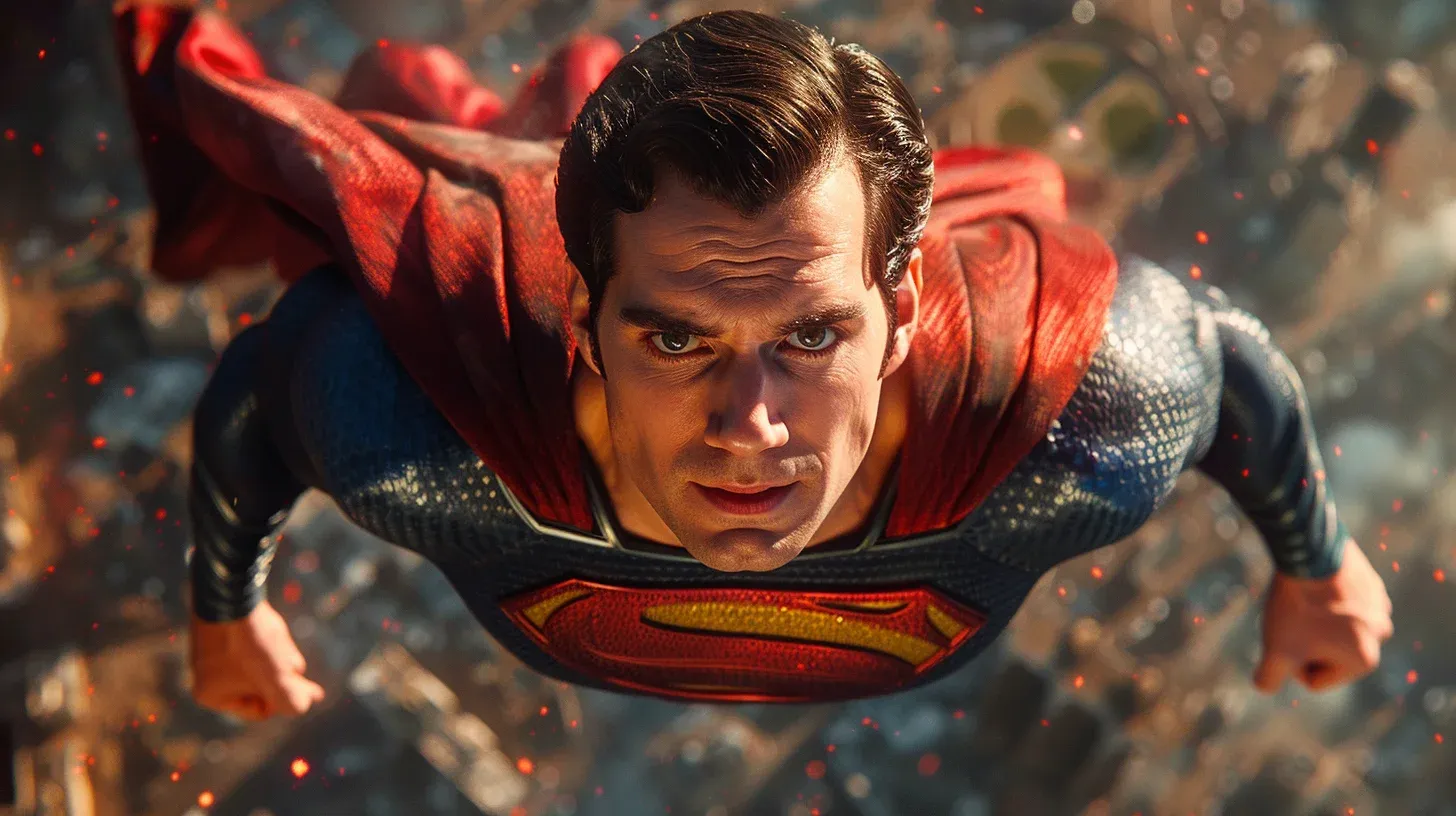
Superman's Journey from Creation to Cultural Icon

Superman stands as an iconic figure in the pantheon of comic book heroes, embodying the quintessential traits of strength, morality, and the relentless pursuit of justice. Created by writer Jerry Siegel and artist Joe Shuster, Superman first soared into the realm of pop culture in the pages of Action Comics #1, published by DC Comics in 1938. This article embarks on a journey through the expansive history of Superman, tracing his evolution from a Depression-era champion to a modern-day superhero.


The early conception of Superman was a stark departure from the character we know today. Initially imagined as a bald villain bent on world domination in a short story titled "The Reign of the Superman," the character underwent significant revisions. Siegel and Shuster transformed him into a hero hailing from the doomed planet Krypton. As Kal-El, he was sent to Earth by his parents, where he was adopted by a Kansas farmer and his wife and named Clark Kent. Gifted with extraordinary powers under Earth's yellow sun, he chooses to use his abilities to fight crime and injustice.

Superman's early stories set the template for superhero narratives. Clad in blue, red, and yellow, he became a symbol of hope and justice, inspiring a multitude of characters and stories within the genre. His dual identity as the mild-mannered reporter Clark Kent offered a relatable human aspect, allowing readers to connect with the invincible hero on a personal level.

Through the decades, Superman's lore has been enriched and expanded. The introduction of characters such as Lois Lane, his love interest and fellow journalist at the Daily Planet; Lex Luthor, his arch-nemesis; and other allies and enemies, built a complex universe that captivated audiences. Significant plotlines explored themes of identity, morality, and humanity, reflecting societal changes and challenges.

The Silver Age of Comics in the 1950s and 1960s introduced a more science-fiction oriented approach to Superman's stories, expanding his powers and the range of cosmic threats he faced. This era also saw the introduction of the multiverse concept, allowing for different versions of Superman to exist simultaneously.

In the 1980s, the landmark series "The Man of Steel" by writer and artist John Byrne reimagined Superman's origin and modernized his character for a new generation. This reboot streamlined his powers, emphasized his role as a hero of the people, and redefined his relationships with key characters in his life.

The 1990s and 2000s brought further evolution, including dramatic events such as Superman's death at the hands of Doomsday, his resurrection, and marriage to Lois Lane. These stories explored deeper themes of loss, resilience, and the essence of heroism.

In the contemporary era, Superman continues to evolve, reflecting the diverse and complex world we live in. The character has been reimagined through various media, including movies, television series, and video games, each interpretation offering a unique take on the hero's enduring legacy.

Superman's journey from a comic strip to a cultural icon encapsulates the evolution of the superhero genre itself. He remains a symbol of hope and resilience, inspiring generations with his commitment to justice and the betterment of humanity. As we look to the future, Superman's story is far from over, with endless possibilities for new adventures that continue to define what it means to be a superhero.