
Influencers Shape the Next Generation, New Icons of Youth Culture

In the digital age, social media influencers have become the new celebrities, especially among younger audiences. Traditional movie stars have taken a back seat to YouTube vloggers, Instagrammers, and TikTokers in the hearts and minds of the next generation. This shift has profound implications for culture, identity, and commerce, as influencers wield considerable power over the beliefs, behaviors, and purchasing decisions of their followers.

At the core of influencers' appeal is their perceived relatability and authenticity. Unlike traditional celebrities, influencers often share aspects of their daily lives, engage directly with their audience through comments and messages, and portray an image of being 'just like' their followers. For instance, figures like Charli D'Amelio, with millions of followers across platforms, have risen to fame through activities as simple as sharing dance videos on TikTok. Her "normalness" and the everyday relatability she presents have made her particularly beloved by Gen Z, highlighting a trend where young people favor personalities they feel a personal connection to over distant, untouchable stars​​.

The influence of these digital icons extends beyond mere entertainment. Many influencers promote products, advocate for social causes, and even engage in political discourse, shaping their followers' opinions and behaviors in significant ways. About 70% of Gen Z follows at least one influencer, and a notable percentage of these young people have made purchases based on influencers' recommendations​​. This trend underscores the shift in how younger generations consume media and make purchasing decisions, heavily influenced by those they follow online.

However, the impact of influencers isn't uniformly positive. There's a concerning aspect to this trend, particularly in how it affects minors' psychological well-being, materialism, and body satisfaction. Influencers may inspire healthier or more pro-social behavior, but they can also model negative behaviors such as smoking, drinking, or irresponsible actions. Moreover, the integration of influencer marketing into content meant for children and adolescents raises questions about the ethics of such practices and the need for regulation to protect young audiences​​.

Amidst this evolving landscape, a significant number of Gen Zers express a desire to become influencers themselves, attracted by the perceived perks of fame, flexibility, and financial rewards. This aspiration reflects a broader cultural shift towards valuing online visibility and social media prowess as markers of success​​.

To navigate this new reality, it's crucial for parents, educators, and policymakers to engage in open dialogues with young people about the content they consume and the individuals they choose to follow. Critical thinking and media literacy are more important than ever in helping the next generation discern the quality and impact of the information they're exposed to online.

As influencers continue to shape the cultural and commercial landscape, understanding their role in young people's lives is essential for grasping the broader shifts in how identity, community, and consumer behavior are evolving in the digital age.
Spring's Arrival Unites Cultures in Unique Celebrations

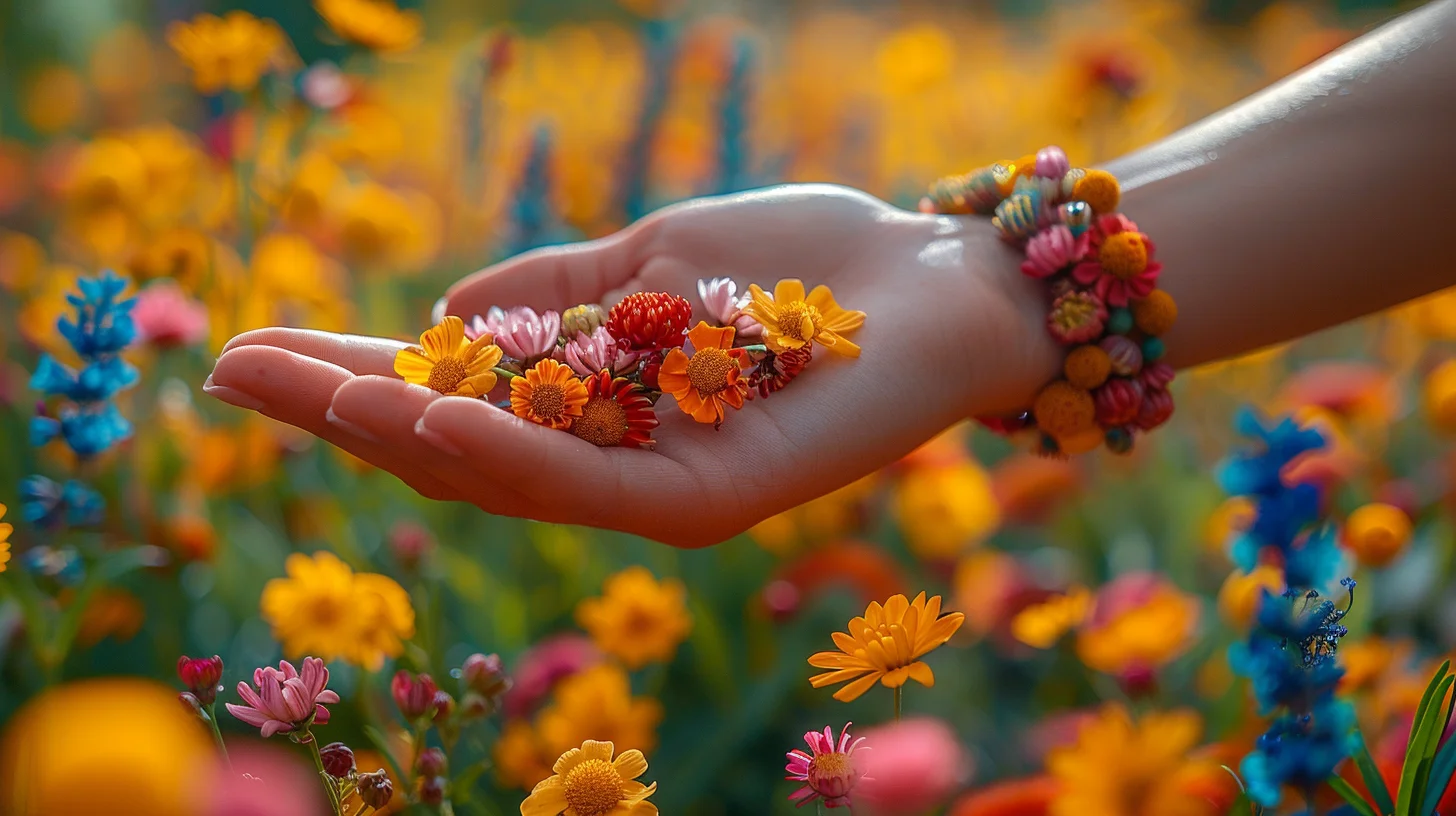
As winter's chill wanes and nature begins its vibrant reawakening, various cultures around the globe mark the onset of spring with distinct traditions, each carrying its own symbolism and charm. Among these, the wearing of bracelets on the first day of March stands out as a particularly colorful and meaningful custom, primarily observed in Eastern European countries. This tradition, deeply rooted in ancient rites and modern sentiments alike, symbolizes the renewal, purity, and vitality spring brings.

In countries like Romania, Moldova, and Bulgaria, the arrival of spring is celebrated with the exchange of Martisor (in Romanian) or Martenitsa (in Bulgarian) bracelets. These adornments, often red and white in color, are worn starting on the first day of March and throughout the month. The red symbolizes love and life, while white represents purity and health. It is believed that wearing these bracelets brings strength and health to the wearers during the coming year. Traditionally, people wear the Martisor until they see a blooming tree or a stork, at which point they tie the bracelet to a branch, making a wish for prosperity and well-being.

Comparatively, spring celebrations across the world, though diverse in nature, echo similar themes of renewal and hope. In Japan, the cherry blossom season or "Sakura" is a highly anticipated event, with families and friends gathering under blooming cherry trees to enjoy picnics and festivities, reflecting on the transient beauty of life. Meanwhile, in India, the festival of Holi marks the end of winter and the victory of good over evil with vibrant displays of colors, music, and dancing, symbolizing the coming of spring and the fresh start it represents.

Elsewhere, ancient traditions like the vernal equinox are observed at historical sites such as Stonehenge in England and Chichen Itza in Mexico, where people gather to witness the astronomical event that officially marks the start of spring. These gatherings, deeply entrenched in the history and spirituality of each culture, highlight the universal human connection to the rhythms of nature.

In conclusion, while the specific customs may vary, the essence of celebrating spring's arrival transcends geographical and cultural boundaries, uniting humanity in its shared appreciation for life's renewal. Whether through the simple act of wearing a bracelet or participating in elaborate festivals, these traditions remind us of the cyclical nature of life and the constant opportunity for renewal and growth.

Greek Islands, Where Myth Meets Beauty

The Greek Islands, a constellation of destinations each with its own unique charm, stand as beacons of beauty and history in the azure waters of the Mediterranean and Aegean Seas. With over 6,000 islands and islets scattered across these ancient seas, of which approximately 227 are inhabited, they offer a tapestry of experiences that blend myth with reality, tradition with modernity, and natural beauty with cultural richness.

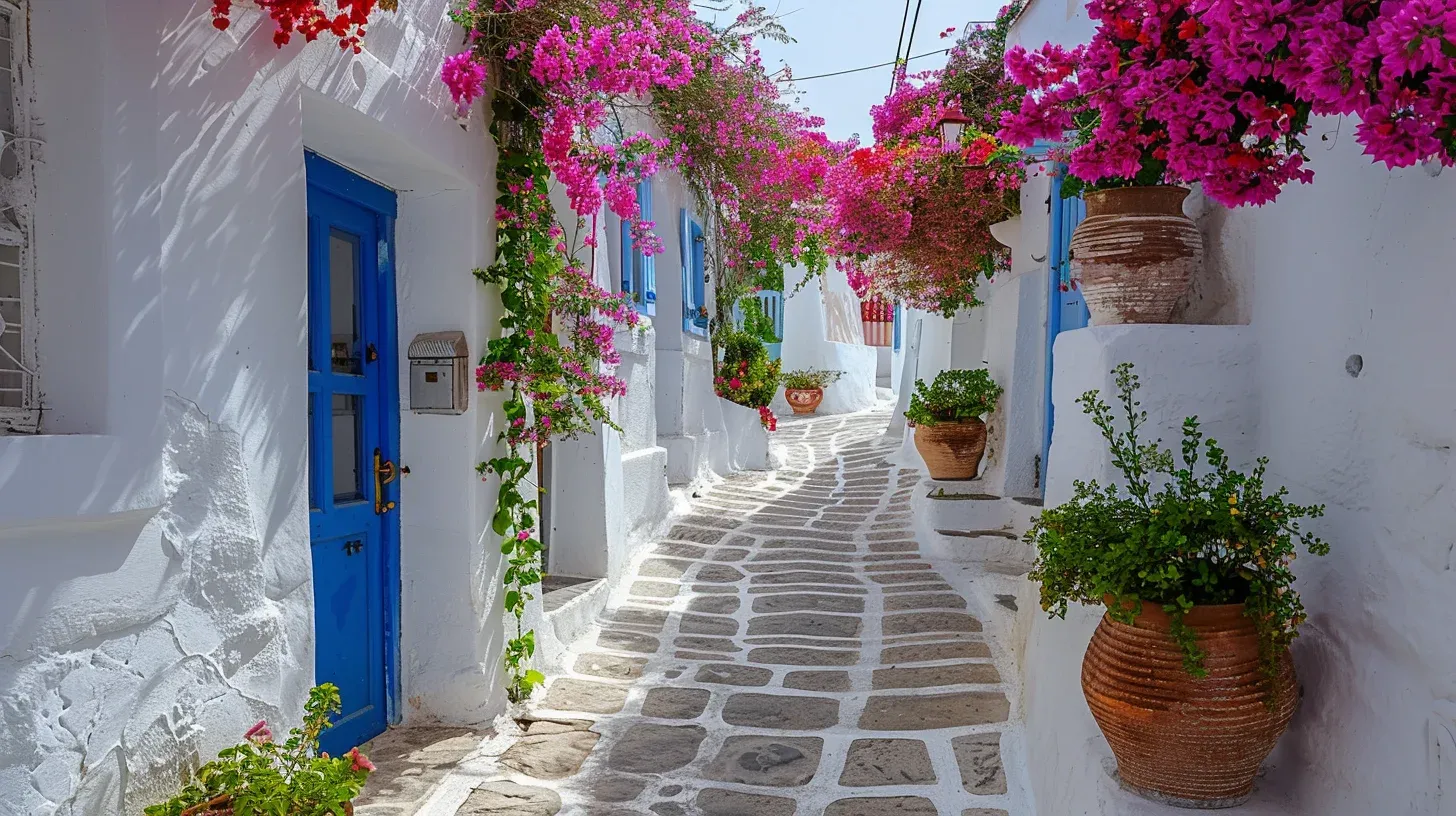
Each island group has its own distinct identity. The Cyclades, with their iconic white-washed buildings and blue-domed churches, epitomize the Greek postcard-perfect aesthetic. Islands like Santorini and Mykonos are renowned worldwide for their stunning sunsets, vibrant nightlife, and breathtaking landscapes. Crete, the largest island, is a microcosm of the country itself, with an incredibly diverse landscape that ranges from fine sandy beaches to rugged mountains. It boasts an ancient history that dates back to the Minoan civilization, one of Europe's earliest.

The Ionian Islands, closer to the west coast of mainland Greece, offer lush vegetation, dramatic coastlines, and a slightly more temperate climate. Corfu, Kefalonia, and Zakynthos are among the most popular, with rich histories influenced by Venetian, French, and British rule over the centuries.

The Dodecanese, including Rhodes and Kos, are closer to the coast of Turkey and are known for their medieval castles, Byzantine churches, and ancient archaeological sites. The Northeast Aegean Islands, including Lesvos, Samos, and Chios, are less frequented by mass tourism, offering a more authentic glimpse into Greek island life.

Each island tells its own story, not just through its historical sites but through its culinary traditions, festivals, and the warm hospitality of its people. Greek cuisine is a highlight of any visit, with local specialties varying from island to island. The vibrant festivals and celebrations, many of which have roots in ancient times, offer insights into the rich cultural tapestry of the islands.

The islands also serve as a gateway to exploring Greece's rich mythology. From the palace of Knossos in Crete, associated with the legend of the Minotaur and the Labyrinth, to Delos near Mykonos, the mythical birthplace of Apollo and Artemis, the Greek Islands are steeped in myths that continue to captivate.

The Greek Islands are not just a destination but a journey through time, where visitors can explore the remnants of ancient civilizations, relax on stunning beaches, savor delicious Greek cuisine, and immerse themselves in the local culture and traditions. They offer a unique blend of relaxation, adventure, and cultural enrichment that makes them a must-visit destination for travelers from around the world.

Spiderman Swings Through Decades of Heroic Evolution

Spiderman, the iconic character who first swung into the hearts of comic book fans in 1962, has undergone an extraordinary journey from the pages of Marvel Comics to the pinnacle of global pop culture. Created by writer Stan Lee and artist Steve Ditko, Spiderman, or Peter Parker, introduced a new kind of superhero, one who was not only battling villains but also the everyday challenges of adolescence.

Peter Parker's transformation into Spiderman begins with a radioactive spider bite, granting him superhuman strength, agility, and the unique ability to cling to most surfaces. His most recognizable tool, the web-shooters, allows him to swing between skyscrapers, capture criminals, and create various gadgets. Unlike other superheroes of his time, Spiderman was a high school student dealing with personal loss, financial issues, and the complexities of growing up, making him relatable to a younger audience.

Spiderman's appeal extends beyond his superhero abilities to his moral compass. The phrase "With great power comes great responsibility," though not originally in his debut story, has become synonymous with the character, reflecting his internal struggle and guiding his actions as a hero.

Throughout the decades, Spiderman's story has expanded through countless comic book series, television shows, movies, and merchandise. He has been a member of superhero teams like the Avengers and the Fantastic Four, faced a vast array of villains from the Green Goblin to Venom, and even had his reality altered in storylines such as the "Clone Saga" and "Spider-Verse." The latter introduced multiple Spider-People from various dimensions, showcasing the character's universal appeal.

The cinematic portrayal of Spiderman has seen several reboots, each bringing a new interpretation of his character to the big screen. From Tobey Maguire's portrayal in the early 2000s to Tom Holland's recent depiction in the Marvel Cinematic Universe, Spiderman continues to be a box office sensation, appealing to a new generation of fans while remaining true to the essence of the character.

Spiderman's legacy is not just in his superhero feats but in his representation of the everyday person facing extraordinary circumstances. His story is one of growth, responsibility, and the enduring struggle between personal desire and the greater good.

Brazilian Carnival Unveils a Spectacle of Culture and Celebration

The Brazilian Carnival, a festivity that engulfs the nation in a whirlwind of color, rhythm, and joy, stands as a monumental event that captures the essence of Brazil's rich cultural heritage and unparalleled spirit of communal celebration. Originating from European colonial influences, the Carnival has transformed over centuries into a unique blend of indigenous, African, and Portuguese traditions, showcasing the diverse fabric of Brazilian society.

At the heart of the Carnival is the samba, a dance and musical genre that resonates with the rhythm of African drums and Portuguese melodies. The samba schools, community-based organizations that prepare year-round for the event, are pivotal in orchestrating the grandiose parades that traverse through the Sambadrome arenas, especially in Rio de Janeiro. These schools compete in a rigorous display of choreography, costumes, and floats, narrating stories that range from historical events to social and political commentary, all through the medium of samba.

Beyond the competitive parades, the Carnival is synonymous with street festivals or 'blocos,' where locals and tourists alike don the most extravagant and sometimes whimsical outfits to dance and revel in the streets. These blocos are democratic spaces where the carnival spirit permeates every corner of Brazilian cities, allowing everyone to participate regardless of social or economic status.

The Carnival also serves as a mirror reflecting Brazil's social realities and changes. Themes of racial equality, environmental conservation, and political accountability are increasingly becoming central to the celebrations, providing a platform for dialogue and awareness amidst the festivity. This evolution underscores the Carnival's role not just as an escape from reality but as a poignant commentary on Brazilian life and issues.

Despite its global appeal, the Brazilian Carnival retains its local soul, with each region adding its unique flavor to the celebration. From the axé music of Salvador to the frevo and maracatu rhythms of Recife and Olinda, the Carnival adapts to the local cultural landscape, demonstrating the vast regional diversity within Brazil.

As the world watches, the Brazilian Carnival unfolds as a testament to the country's ability to blend tradition and modernity, celebration and reflection. It stands not only as a monumental party but as a living museum of Brazilian culture and a loud, colorful plea for unity and joy in the face of life's challenges.

Samba Schools and the Pulse of Brazilian Carnival

At the core of the Brazilian Carnival's allure are the samba schools, institutions that are much more than mere clubs for music and dance enthusiasts. Originating in the early 20th century within Rio de Janeiro's marginalized communities, samba schools have evolved into pillars of the Carnival, embodying the cultural, social, and educational aspirations of their communities. These schools are the lifeblood of the Carnival parade, orchestrating elaborate performances that are the result of months of meticulous preparation and dedication.

Each samba school selects a theme or 'enredo' that guides the creation of its parade, with themes often touching on historical, cultural, or social issues. The preparation involves the entire community, from costume designers and carpenters to musicians and dancers, all contributing their skills towards the common goal of winning the competition and, more importantly, showcasing their community's talent and resilience.

The parade itself is a spectacle of creativity and precision, judged on criteria including costume, music, dance, and overall harmony. The Sambadrome, the parade's venue, becomes a battleground where schools vie for the judges' and audience's admiration, turning their performances into a vibrant display of Brazilian culture's dynamism and diversity.

Street Festivals and the Democratization of Joy

Parallel to the grandeur of samba school parades, the Carnival's street festivals or 'blocos' offer a more accessible celebration. These gatherings range from small neighborhood parties to massive street parades attracting thousands of participants. The 'blocos' are testament to the Carnival's inclusive spirit, where anyone can join the dance, regardless of background. This democratization of celebration is a key feature of the Carnival, reinforcing the idea that joy and revelry are universal rights.

Regional Flavors of Celebration

While Rio's Carnival often captures international attention, the festival's regional variations highlight Brazil's cultural diversity. In Salvador, Bahia, the Carnival pulsates with the rhythms of axé music, a genre that blends African, Brazilian, and Caribbean influences. Here, the 'trio elétricos,' trucks equipped with massive sound systems, lead crowds in dance through the city streets, creating an electrifying atmosphere.

In the northeast, cities like Recife and Olinda offer a different Carnival experience with the fast-paced frevo music and the traditional maracatu rhythm, both of which have deep roots in the region's Afro-Brazilian heritage. These styles provide a contrast to the samba-dominated Carnivals of the south, showcasing the rich tapestry of Brazil's musical and cultural landscape.

The Brazilian Carnival, with its dazzling samba parades and inclusive street festivals, serves as a powerful expression of Brazil's cultural vibrancy and social unity. It underscores the importance of community, resilience, and the unyielding pursuit of happiness amidst life's challenges. As the world gazes upon this remarkable festival, it sees a reflection of Brazil's soul, a nation that dances not to forget its troubles but to celebrate its strength and diversity.