[[[SUMMARY_START]]]
Rising heat, drought, floods and ocean warming are reshaping food systems around the world. They are affecting harvests, prices, nutrition and the range of foods people can reliably buy and eat.
The shift is visible in fields, fisheries and family budgets. It is also changing farming choices, diets and the way governments think about food security.
[[[SUMMARY_END]]]
Climate change is no longer a distant threat to food. It is already changing what reaches farms, markets and dinner tables.
Hotter temperatures, stronger droughts, heavier rainfall and warming seas are disrupting the production of staple crops, fruit, vegetables and seafood. At the same time, the pressure is pushing farmers, companies and households to adapt by changing crops, adjusting planting dates, diversifying supply, and in some cases settling for fewer or more expensive choices.
Recent scientific work suggests the risks are broad and rising. A major 2025 study in *Nature* found that even when farmers adapt, global food production still falls as temperatures rise. The researchers estimated that each additional 1 degree Celsius of warming could cut food production by about 120 calories per person per day on average. That points to a food system under growing strain, not one that can easily adjust without losses.
## Staple foods are under pressure
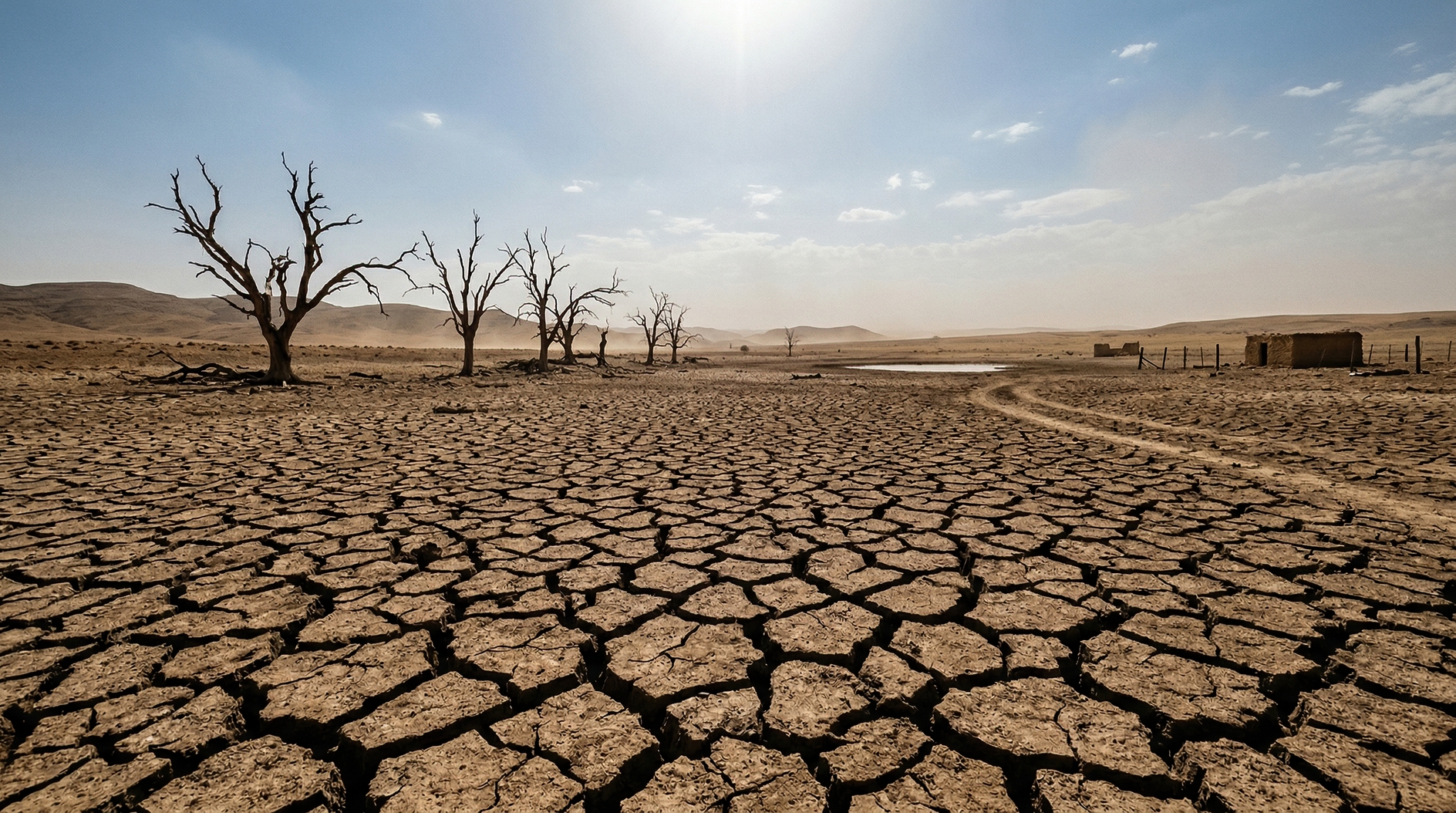
The most direct effect is on crop yields. Heat stress can damage pollination and reduce grain filling. Drought can shrink harvests or wipe them out. Intense rain and floods can delay planting, rot roots and erode soil. These problems affect major staples such as wheat, rice, maize and soybeans, which anchor diets in much of the world.
Climate change is also shifting where crops can grow well. Some cooler regions may gain new options, but many low-latitude farming areas face worsening conditions and lower crop diversity. That matters because food security depends not only on total output, but on having a range of crops that can withstand shocks.
Farmers are already responding. In some places they are switching varieties, changing sowing dates, investing in irrigation, or rotating into different crops. In drier regions, more water-efficient crops are becoming more attractive. But adaptation has limits, especially where farms lack finance, storage, insurance or reliable water.
## Nutrition is changing too
The food challenge is not only about quantity. It is also about quality.
Public health agencies and researchers have warned that climate change can reduce the nutritional value of some crops. Rising carbon dioxide can lower levels of protein and key micronutrients such as iron and zinc in several staple crops, especially C3 crops like wheat and rice. Heat and poor soil moisture can also affect food quality in fields and orchards.
## Seafood and livestock are also being reshaped
Changes are spreading beyond crops. Warming oceans are shifting the location and health of marine species, affecting fisheries and coastal food supplies. Coral reef damage threatens ecosystems that support fish populations, while heat and disease pressures can disrupt aquaculture.
Livestock systems face their own climate burden. Extreme heat reduces animal productivity and fertility, raises water demand and can increase the spread of pests and disease. Pasture quality also suffers in hotter, drier conditions. These pressures can reduce supplies of milk, meat and eggs or make them more costly to produce.
## Prices and diets are moving with the climate
Consumers often feel climate change first through prices. Crop failures, fishery disruption and transport problems after extreme weather can all feed into higher food bills. Economists and central bank researchers have increasingly linked rising temperatures and weather shocks to food inflation.
That changes how people eat. When prices rise, households often cut back first on foods that are nutritious but relatively expensive, including fresh fruit, vegetables, dairy and fish. Cheaper staples and highly processed foods may take a larger place in the diet. In that way, climate change can shape eating habits indirectly, through affordability as much as availability.
Governments and international agencies are responding by focusing more on resilient food systems. That includes improving seeds, irrigation, storage, crop insurance, early-warning systems and support for fisheries and aquaculture. There is also growing interest in crop diversification and diets that are both healthier and more resilient to climate shocks.
The global food system is still producing enormous volumes of food. But the mix, timing, cost and nutritional value of that food are becoming less predictable. Climate change is making food choices more constrained for some people and more strategic for nearly everyone.
AI Perspective
This story shows that climate change is not only an environmental issue. It is becoming a daily food issue, affecting cost, choice and nutrition at the same time. The clearest takeaway is that resilience in farming and food supply now matters as much as total production.


-134c72da.webp)


-6c40e5ef.webp)