[[[SUMMARY_START]]]
Daily life is increasingly measured, stored and processed as digital information.
Phones, wearables, apps, vehicles and AI systems now turn movement, health, speech and attention into data.
The shift is creating new services and economic value, but it is also raising privacy, fairness and environmental concerns.
[[[SUMMARY_END]]]
Human experience is being turned into data at a scale that is now hard to separate from ordinary life. A morning walk can become location history, heart-rate readings, step counts and payment records. A message to a chatbot can become a prompt, a profile signal and a training concern. A trip through a city can leave traces across phones, cameras, transit cards and connected vehicles.
## A world measured by defaultMore than 6 billion people are now online, and mobile devices remain the main gateway to the digital world. Most connected adults use a smartphone for at least some of their online activity. Social platforms also reach a large majority of internet users, turning photos, likes, comments, searches and viewing time into measurable signals.
This does not mean every part of life is watched by one single system. The reality is more fragmented. Banks, phone companies, health apps, retailers, public agencies, advertisers and cloud platforms each hold different pieces of the record. Together, they show how much of modern life has become machine-readable.
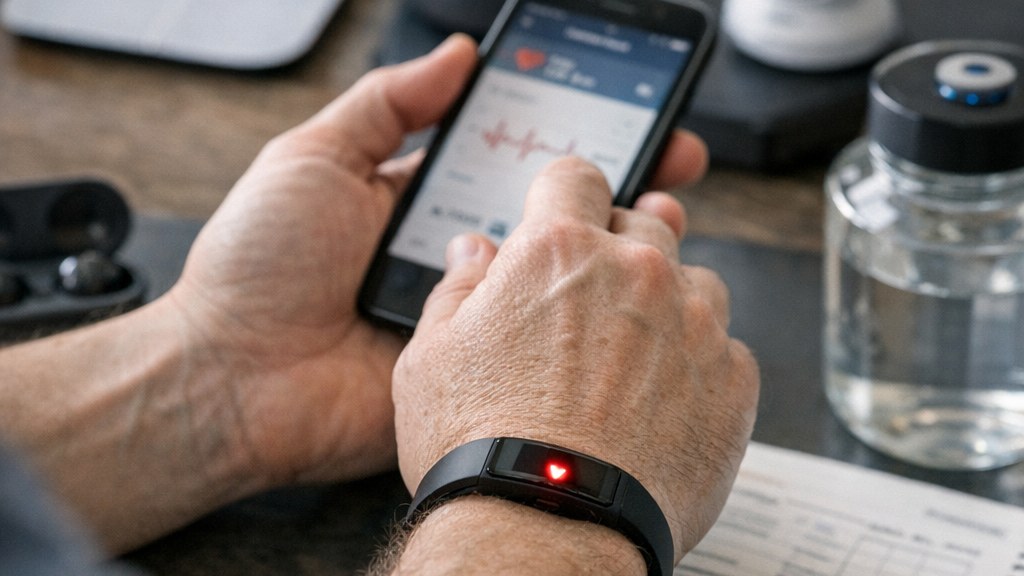
The data can be useful. A fitness watch can alert someone to an unusual heart rhythm. A navigation app can guide a driver around traffic. A bank can flag possible fraud. A city can study transport demand. These services depend on converting human behavior into structured information that computers can store, compare and predict.
## Wearables, AI and the growth of personal records
Wearable technology is expanding the amount of intimate data produced each day. Global wearable device shipments grew in 2025, reaching more than 600 million units. Smartwatches, fitness bands, rings and other devices can collect information about sleep, movement, pulse and exercise.
Generative AI adds another layer. People are using AI tools to draft emails, study, search for advice, write code and summarize documents. These systems often process highly personal text, including work plans, health worries, family questions and financial details. As AI becomes part of search, office software and customer service, more human thought and language is being handled by data systems.
The same trend is visible in cars, homes and workplaces. Connected vehicles can record driving patterns and location. Smart speakers and home devices can respond to voice commands. Workplace software can measure tasks, messages and response times. In schools and offices, the use of tools that analyze behavior or emotion has become a focus of regulation because such systems may affect people in sensitive settings.
## Privacy rules are trying to catch up
Governments are responding with new limits and new rights. In the European Union, artificial intelligence rules now ban several high-risk practices, including social scoring, some forms of emotion recognition in workplaces and schools, and certain biometric uses. Wider obligations for high-risk AI systems are being phased in.
These steps show a broader concern: people often do not know how many companies hold information about them. Data may be gathered through apps, advertising networks, loyalty programs, public records and connected devices. It can then be bought, combined or used to infer traits that a person never directly shared.
## The physical cost of digital life
Data can feel weightless, but the systems behind it are physical. Data centers, networks, chips and devices require electricity, water, minerals and manufacturing capacity. International development research has warned that digital infrastructure and devices place growing pressure on energy systems, raw materials and waste management.
The expansion of AI has increased attention on this issue. Large AI models need powerful chips and data centers. Those facilities can support important services, but they also create local questions about power grids, water use, land use and emissions. The environmental impact depends on energy sources, cooling methods, equipment life cycles and whether devices are repaired, reused or quickly replaced.
## A lasting social change
The compression of experience into data is not only a technology story. It changes how people are seen by institutions. A person may appear as a credit score, risk score, health metric, productivity chart, advertising profile or model input. These records can help services work faster, but they can also reduce complex lives to narrow categories.
The central challenge is balance. Data can improve safety, access and convenience when it is accurate, limited and well governed. It can also create harm when collected without clear consent, used beyond its original purpose or treated as a complete picture of a person.
As more of life becomes digital, the question is no longer whether human experience will produce data. It already does. The more urgent question is who controls that data, how long it is kept, and whether people can understand and challenge the decisions made from it.
AI Perspective
The main lesson is that data is not separate from people. It is often a record of bodies, habits, choices and relationships. Stronger privacy rights, clearer design and better public understanding will matter as much as faster technology.


-134c72da.webp)


-6c40e5ef.webp)