[[[SUMMARY_START]]]
A new Japanese cohort study links higher self-reported happiness with lower death rates over seven years.
The research followed 3,187 adults in Minami-Izu from 2016 to 2023.
People who described themselves as unhappy had higher odds of death, even after adjustments for age, sex, socioeconomic status, BMI and physical function.
The findings add evidence from a culture where emotional restraint and social harmony often shape how happiness is expressed.
[[[SUMMARY_END]]]
People who feel happier may have a better chance of living longer, even in cultures where emotions are often expressed with restraint, new research from Japan suggests. The study does not prove that happiness itself extends life. But it adds to evidence that emotional well-being can be a meaningful marker of long-term health.
## Seven years of follow-up in a Japanese townThe study followed 3,187 adults aged 20 and older in Minami-Izu, a rural town in Shizuoka Prefecture, Japan. Baseline information was collected in 2016, and deaths were tracked through official resident records until October 2023.
Participants answered one direct question about their present happiness: how happy they thought they were at that time. They originally chose from four options, ranging from unhappy to happy. Because few people chose the most negative answers, the two lowest groups were combined.
That left three groups: 1,003 people, or 31.5%, were classified as happy; 1,937 people, or 60.8%, were somewhat happy; and 247 people, or 7.7%, were unhappy.
By the end of the follow-up period, 277 participants had died from all causes. The deaths included 74 people in the happy group, 168 in the somewhat happy group, and 35 in the unhappy group.
## Higher odds among unhappy adults
The main result was clear. Adults who reported being unhappy had higher odds of dying during the follow-up than adults who reported being happy.
After adjustment for age and sex, the unhappy group had 2.69 times the odds of death compared with the happy group. After further adjustment for education, marital status, economic status, body mass index and physical function, the figure fell but remained statistically significant. In the fully adjusted model, unhappy adults had 1.85 times the odds of death compared with happy adults.
The “somewhat happy” group did not show a clear difference from the happy group after full adjustment. Its odds ratio was about 1.00 in the final model, meaning its death rate was not meaningfully higher than that of the happy group after the measured factors were considered.
The team also ran a sensitivity analysis that removed people who died within the first year. That step helps reduce the chance that serious illness at the start of the study made people both unhappy and more likely to die soon after. The pattern remained similar.
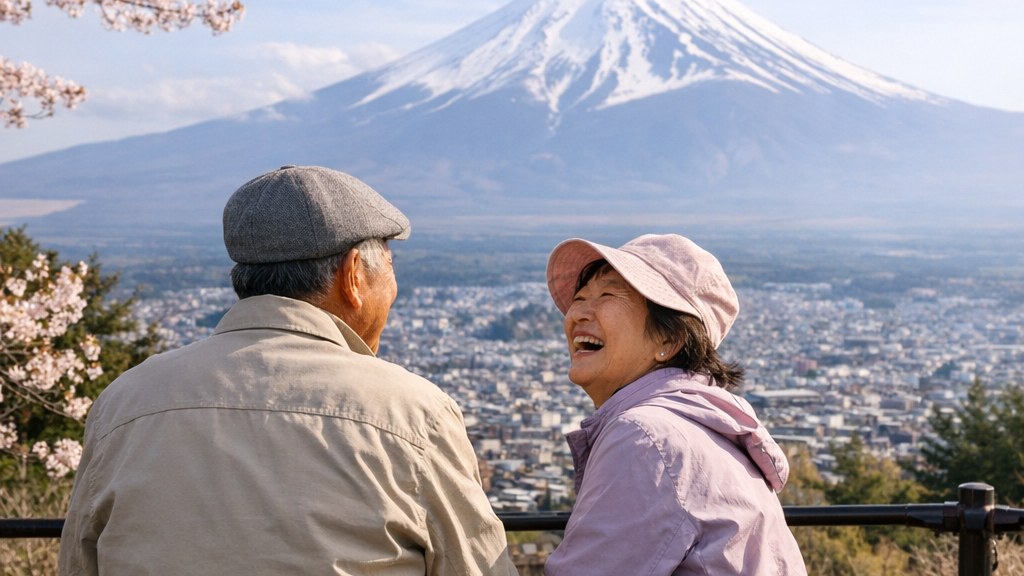
Much of the earlier research on happiness and longevity has come from Western populations. The Japanese study adds evidence from a setting where happiness may be understood and expressed differently.
In many East Asian cultural contexts, happiness is often linked with calmness, balance, social harmony and fulfilling obligations. Open displays of intense positive or negative emotion may be less encouraged than in some Western settings.
That made the study important for a wider question: whether the link between happiness and survival depends on a culture that prizes open emotional expression. The results suggest the association can still appear in a society where emotional restraint is more common.
The study also fits with past findings that subjective well-being, social conditions and health are closely connected. People who reported higher happiness were more likely to be married, better educated, economically better off, within a healthy BMI range and to have better physical function. The link with mortality weakened after these differences were included, but it did not disappear.
## What the study cannot prove
The findings should be read with caution. This was an observational study. It can show an association, but it cannot show that happiness directly caused longer life.
The study also used a single happiness question. That is simple and useful in large surveys, but it cannot capture the full range of well-being. Happiness can include positive emotion, life satisfaction, purpose, good relationships and other factors.
Health information was also limited. BMI and physical function were included, but the study did not adjust for smoking, alcohol use, diet, exercise, clinical diagnoses or social support. Any of these could influence both happiness and mortality.
Even so, the results point to a practical message for public health. Emotional well-being may help identify people facing hidden health, social or economic strain. In aging communities, efforts that support connection, mobility, daily activity and access to care may matter not only for mood, but also for long-term health.
AI Perspective
The study supports a careful view of happiness as part of health, not as a simple cure. It suggests that emotional well-being can carry useful information even when people do not express feelings openly. The strongest takeaway is that social support, health and mood are deeply linked and should be considered together.


-134c72da.webp)


-6c40e5ef.webp)

-1d29b0b2.webp)
-2721737f.webp)