[[[SUMMARY_START]]]
Digital platforms often look free, but the exchange is usually personal data. That data helps drive advertising, shape prices, and train AI systems, turning everyday clicks, locations, and habits into economic value. As regulators tighten scrutiny, the gap between what users give away and what they understand remains a central issue in the digital economy.
[[[SUMMARY_END]]]
For years, the internet sold a simple promise: free services in exchange for attention. That bargain now looks much larger. In today’s digital economy, personal data is not just a side effect of using apps, websites, and connected devices. It is a core asset that helps fuel advertising, personalization, pricing systems, and the rapid expansion of artificial intelligence.
The scale of that business is enormous. U.S. internet advertising revenue reached nearly $300 billion in 2025, showing how strongly the digital economy depends on targeting, measurement, and user profiles. Platforms and intermediaries do not only value what people buy. They also value where they go, what they search for, how long they pause, what device they use, and what similar people are likely to do next.In that sense, many users are not simply customers or workers on digital platforms. They are also ongoing sources of raw material. Every click, scroll, voice command, location signal, and purchase history entry can be collected, linked, analyzed, and turned into commercial insight.
## Data powers more than ads
Advertising remains the clearest example because it is easy to measure. A “free” email account, map, social feed, or video app may cost no monthly fee, but it can still generate value by helping a company target ads more precisely. The more detailed the profile, the more useful that user can become to advertisers and other commercial partners.
But data now reaches beyond ad targeting. Regulators in the United States have warned that companies and intermediaries can use broad sets of personal and behavioral information to influence the prices and offers shown to people. That can include shopping history, location, device signals, browsing behavior, and inferred preferences. Instead of one public price for everyone, digital systems can move toward highly individualized offers.
This matters because people may think they are only trading data for convenience. In practice, they may also be giving companies tools that shape what they see, what they are offered, and possibly what they pay.
## A wider system of collection
Recent regulatory findings have described extensive data collection by major social media and video services, including long-term retention of user information and broad data sharing. In some cases, the collection extended beyond active users to non-users linked through uploaded contacts, tracking tools, or third-party data flows.
The data economy also includes brokers that many consumers have never heard of. These businesses gather, combine, and sell or share information from apps, commercial records, and other sources. Their role has become important enough that California has built a one-stop deletion system aimed at registered data brokers. Under the state’s current rules, beginning August 1, 2026, brokers must regularly access the system, process deletion requests, and limit future sale or sharing of new personal information for people who have opted out.
That is one sign of a broader shift. The United States still lacks a single national privacy law, but state-level rules continue to spread. This patchwork approach can give some users stronger rights, while leaving others with uneven protections depending on where they live.
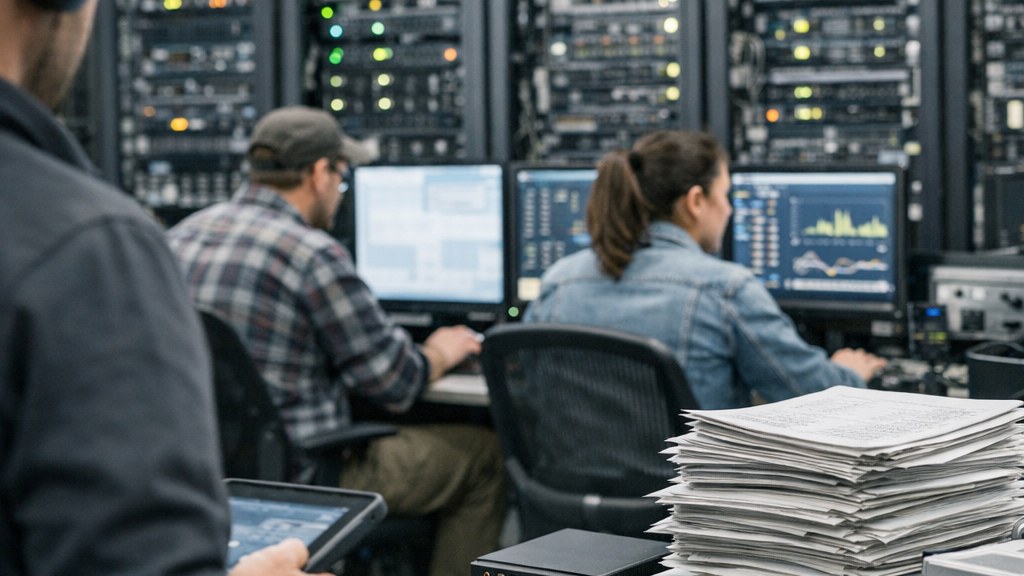
The value of data has grown even further with the rise of AI. Large AI systems depend on vast amounts of text, images, audio, video, and labeled examples. The quality and diversity of data help determine how well those systems perform in real-world tasks.
A recent global development report said the AI training data industry is booming and noted that cumulative venture capital investment in the sector reached $32 billion in 2023. Much of that investment was concentrated in advanced economies, especially the United States and the European Union. That concentration shows how data is becoming strategic infrastructure, not just a byproduct of digital life.
This has deepened a basic imbalance. People produce valuable signals every day by living, communicating, moving, and creating online. Yet most individuals have little visibility into how that value is priced, packaged, resold, or used to improve systems that may later be sold back to them.
## What users are starting to ask for
A growing policy debate now centers on consent, transparency, deletion rights, and whether people should have more control over profiling and downstream uses of their information. Another question is whether current “free service” models fairly reflect the economic value people provide.
For most users, the issue is less abstract than it sounds. Fitness apps can reveal routines. Retail loyalty programs can map household habits. Cars, smart TVs, and mobile apps can generate constant behavioral data. AI tools may also absorb user prompts, documents, and feedback into product improvement workflows unless settings or contracts say otherwise.
That does not mean all data use is harmful. Personalization can make services easier to use, and analytics can help improve safety, fraud detection, and product design. But the central fact remains: data has become one of the internet’s most important currencies, and many people still give it away without fully seeing the price.
As privacy rules evolve, the key question is no longer whether personal data has value. It is who captures that value, who controls it, and how much ordinary users truly understand about the exchange they enter every day.
AI Perspective
The digital economy has made personal data feel ordinary, even though it now plays a central role in business, pricing, and AI development. The biggest gap may not be technology, but understanding: many people still do not know how much information they produce or how widely it can travel. Clearer rules and clearer choices could make the online bargain easier to see.


-134c72da.webp)


-6c40e5ef.webp)

-1d29b0b2.webp)
-2721737f.webp)
-55bf1fe2.webp)