[[[SUMMARY_START]]]
A growing push toward slower routines is showing up at home, at work and in travel. New data point to high stress, less social time and stronger interest in balance, rest and local, lower-pressure habits.
The shift does not mean people are rejecting modern life. It suggests many are trying to manage speed more carefully and make daily life feel more human again.
[[[SUMMARY_END]]]
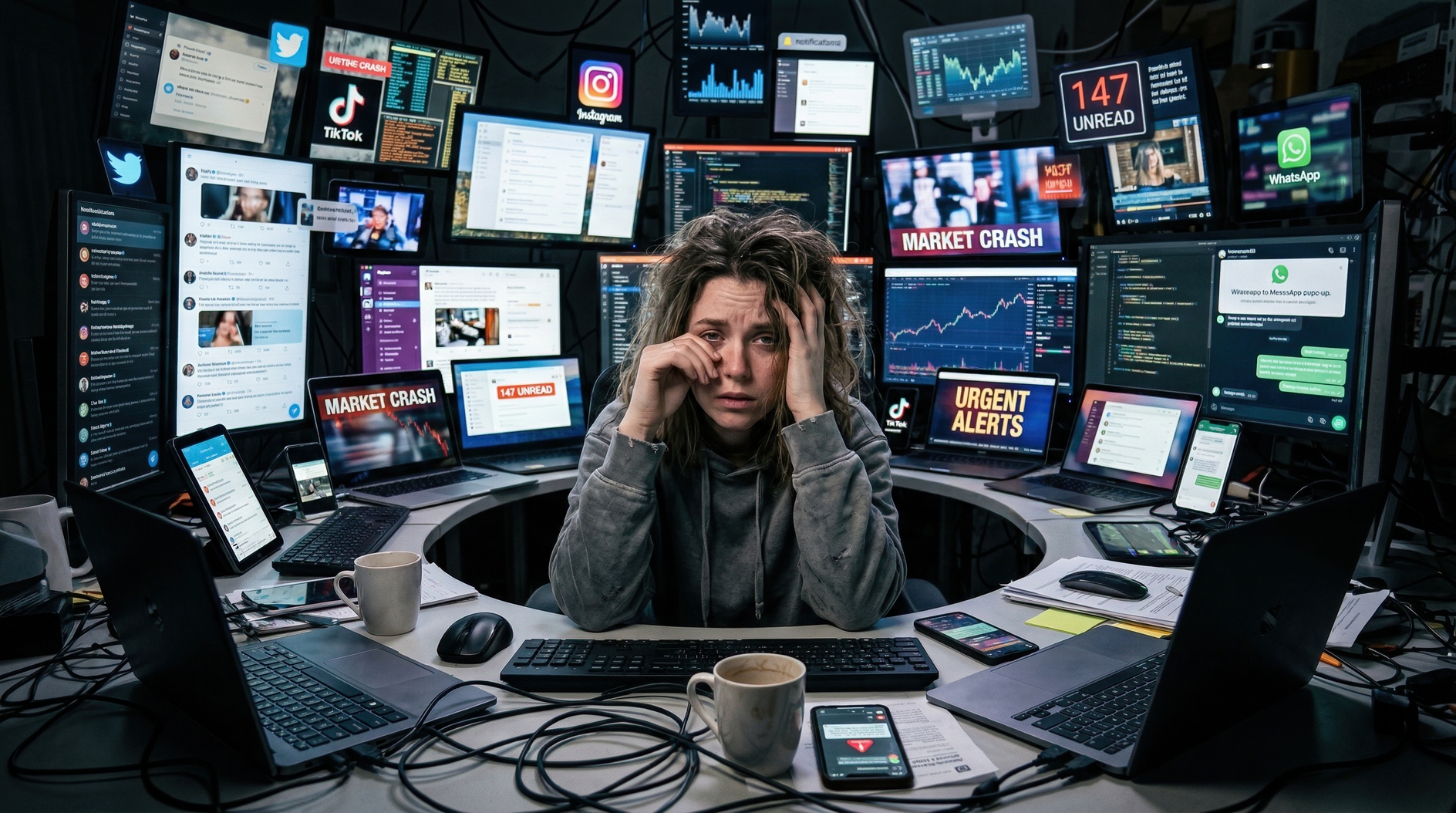
In a culture shaped by alerts, long workdays and constant choice, slow living is returning as a practical response to pressure. The idea is simple: do fewer things, with more attention, and leave more room for rest, relationships and ordinary routines.
What once sounded like a niche lifestyle now appears in wider patterns across work, wellness, home life and travel. Recent surveys and official data suggest the appeal is tied less to fashion than to fatigue.
The backdrop is clear. Global workers are still reporting high levels of daily stress, even after the worst years of the pandemic. In one major 2026 workplace survey based on 2025 data, 40% of employees worldwide said they experienced stress a lot of the previous day.
Official and public health findings also continue to link very long working hours with higher health risks and poorer recovery. In the United States, a 2024 government review said very long hours may modestly increase the risk of stroke and ischemic heart disease. Health agencies have also warned that long hours and shift work can cut into sleep and recovery time.
That pressure helps explain why slower routines are gaining attention. For many people, slow living is not about leaving work, moving to the countryside or giving up technology. It is about making daily life less fragmented. That may mean protecting evenings, cooking at home, taking walks without a phone, reading more, limiting notifications or choosing fewer but longer social plans.
## Time feels scarce even when tools are faster
One reason the idea resonates is that many people feel short on time despite constant promises of convenience. Time-use data in both the United States and across OECD countries show a familiar imbalance: work, care duties and screens compete with leisure and in-person connection.
The latest American Time Use Survey found that people were less likely to spend time socializing and communicating on an average day in 2024. Across OECD countries, broader well-being data show limited time for social interaction and persistent strains around work-life balance.
That does not prove a single cultural shift on its own. But it helps explain why slower habits feel attractive. When free time is broken into small pieces, people often seek activities that restore a sense of control. A slower morning, an unplugged hour or a more deliberate weekend can feel like a way to reclaim attention.
## The trend is spreading into travel and the home
At home, trend reports for 2025 and 2026 point in a similar direction. More consumers are showing interest in analog hobbies, quieter interiors, rituals that take time and spaces designed for recovery rather than display. In practice, that can mean gardening, mending, journaling, baking, film cameras, printed books, handmade furniture or simply protecting a room or corner for rest.
These choices are not always cheap, and slow living can be easier for people with money, flexible jobs or stable housing. That tension matters. Still, the broad appeal of the idea seems to come from ordinary habits that cost little: walking, reading, cooking simple food, visiting nearby places, sharing meals and doing one thing at a time.
## A cultural correction
In many ways, slow living now looks like a correction to the “always on” years. The modern economy still rewards speed, responsiveness and visibility. But many people appear to be setting firmer boundaries around them.
Employers are part of that picture too. Workplace specialists increasingly frame well-being not only as a benefits issue, but as a design issue: workload, management quality, flexibility, rest and realistic expectations all shape whether daily life feels sustainable.
That suggests the return of slow living is bigger than aesthetics. It reflects a wider question about what people want modern life to feel like. Faster systems can still save time. But many people seem less willing to let efficiency define every hour.
For now, slow living remains loose and personal rather than fixed. It can look like a family dinner, a phone-free commute, one long holiday instead of several rushed breaks, or simply saying no to one more task. In a world that keeps accelerating, that small act of choosing a different pace may be exactly why the idea is returning.
AI Perspective
This story is less about nostalgia than about limits. When speed becomes the default in work, communication and leisure, people often start searching for steadier routines that protect health and attention. Slow living will likely remain imperfect, but its return shows that many people now value pace as much as productivity.


-134c72da.webp)


