[[[SUMMARY_START]]]
A new generation of solo creators is turning personal brands into full businesses. Platforms now offer more ways to earn through ads, subscriptions, fan support and direct sales. But the model still comes with uneven income, platform risk and fierce competition.
[[[SUMMARY_END]]]
The modern solo creator is no longer just posting videos, newsletters or podcasts for attention. Increasingly, one person can act as publisher, host, marketer, shop owner and brand manager at the same time.
That shift has helped turn the creator economy into a serious business sector. Large platforms and commerce tools now let individuals earn from advertising, paid memberships, tips, merchandise and product sales, giving some creators a path to build companies that once needed a full media team.
The appeal of the solo creator model is simple. One person can start with a phone, a laptop and a niche idea, then build an audience directly. What begins as a newsletter, a YouTube channel or a podcast can grow into a subscription business, a product line or a consulting brand.
That change is part of a wider expansion in the creator economy. A widely cited estimate from 2023 projected the sector could grow to about $480 billion by 2027, up from about $250 billion at the time. The same estimate put the global creator base at roughly 50 million people. But it also showed how uneven the field remains: only about 4% of creators were considered professionals earning more than $100,000 a year.
In other words, the dream is real, but it is not evenly shared. A small group turns personal brands into durable businesses. Many more are still trying to reach stable income.
## Platforms built the runway
The rise of solo creators depends heavily on platform tools. YouTube, for example, now offers several income streams inside its partner program. Eligible creators can earn from ad revenue, fan funding features, shopping tools and a share of revenue linked to premium subscribers. Official program details say creators can receive 55% of net revenue from watch-page ads on long-form videos and 45% of allocated revenue for Shorts.
That matters because creators increasingly mix formats. A single operator might use short clips for discovery, long videos for deeper engagement and memberships for loyal fans.
Subscription platforms have also widened the playbook. On Substack, publishing is free, while creators who enable paid subscriptions are charged a 10% platform fee, with payment processing added separately. Patreon has moved newer creators to a standard 10% platform fee as well, with processing and payout fees depending on payment type, currency and location.
These systems make it easier for a solo operator to run a small business without building billing, storefront and membership software from scratch. They also make the economics clearer. A creator can test whether an audience will pay directly, rather than relying only on algorithms and ad markets.
## The new solo empire is often spread across many channels
Very few successful creators now depend on one app alone. The emerging model is diversification.
A creator may attract attention on social video, deepen loyalty through email, sell subscriptions to a core audience, and move customers to an independent store for merchandise or physical products. That structure reduces dependence on a single feed or ranking system.
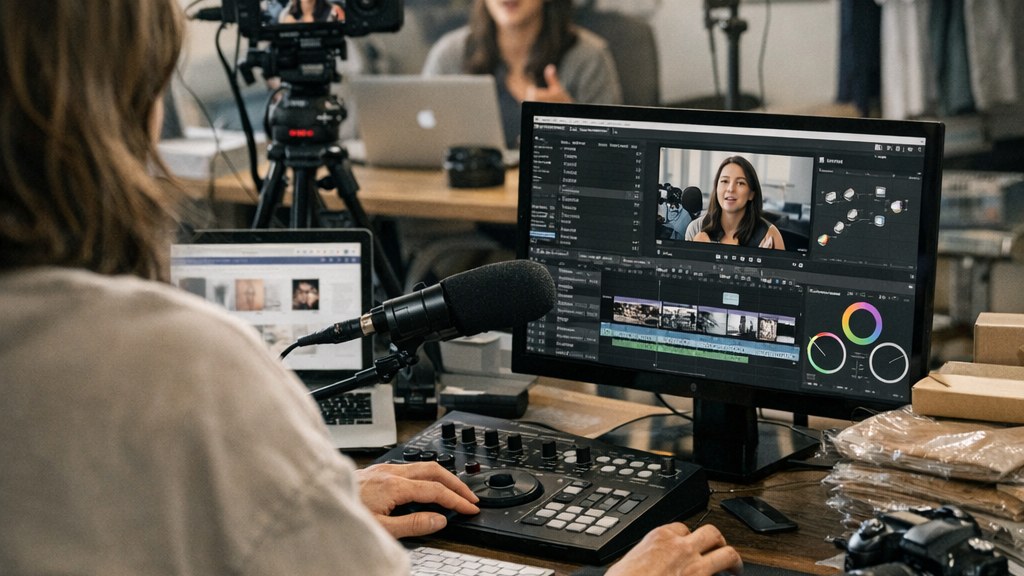
Real-world examples show how this works. Some creators begin with advice in areas like fashion, fitness, technology or personal finance, then expand into books, courses, branded products or events. Others use a paid newsletter or fan membership not as the final product, but as the base layer for a wider business.
## Opportunity meets pressure
The solo creator story is often framed as independence, and in many ways it is. A creator can choose topics, build a direct voice and move faster than a traditional media or consumer brand.
But independence also means exposure to risk. Income can change quickly. Platforms alter recommendation systems, monetization rules and fee structures. Creators often have to handle taxes, customer service, editing, sponsorships and legal issues themselves or pay freelancers to help.
There is also the pressure of scale. The same tools that lower the barrier to entry also create intense competition. More people can start, but attention is finite. Many creators still rely on brand deals, which can be less predictable than recurring subscriptions.
That helps explain why the strongest solo brands increasingly act less like influencers and more like lean businesses. They focus on repeatable revenue, loyal communities and products they control.
## A one-person brand, but rarely a one-person outcome
The phrase “solo creator” can be misleading. Many creators begin alone, but the most successful often add editors, designers, managers, accountants or fulfillment partners as revenue grows. Even so, the public face and strategic center often remain one person.
That is the real shift. Today, one individual can become the brand, the channel and the company at once. Technology has lowered the cost of publishing, distribution and payment. Audiences have also become more willing to pay directly for access, expertise, entertainment or identity-based communities.
The result is a new kind of small enterprise: personal, media-driven, and built around trust. Some of these ventures will stay modest. A few will grow into much larger operations. Together, they are reshaping how modern businesses can start.
AI Perspective
The rise of solo creators shows how digital tools have changed the meaning of a small business. One person can now combine media, community and commerce in ways that were once hard to imagine. The biggest winners may not be the loudest creators, but the ones who build steady trust and own more of their customer relationship.


-134c72da.webp)


-6c40e5ef.webp)

-1d29b0b2.webp)
-2721737f.webp)
-55bf1fe2.webp)