[[[SUMMARY_START]]]
A growing number of workers and consumers are treating uninterrupted time as a valuable resource.
Recent data on workplace stress, digital overload, travel, and luxury spending point to the same shift.
People are looking for fewer interruptions, clearer boundaries, and experiences that leave room for attention and rest.
[[[SUMMARY_END]]]
Luxury is changing. For many people, it is no longer only about rare goods, expensive travel, or exclusive access. It is also about something simpler and harder to protect: time to think.
## Time becomes a scarce goodThe modern day is crowded with messages, meetings, alerts, deadlines, and choices. For office workers, the pressure is especially visible. A large 2025 workplace study found that many knowledge workers were interrupted by digital pings hundreds of times during a standard workday. It also found that a large share of workers said they did not have enough time or energy to do their work well.
That helps explain why uninterrupted time is starting to look like a form of privilege. It is the quiet hour before a call. It is a walk without a phone. It is a meeting-free morning. It is the ability to read, plan, or solve a problem without being pulled into another thread.
This is not only a workplace issue. Families, students, caregivers, and retirees also face demands on their attention. Phones carry work, news, entertainment, banking, shopping, school updates, and social life in one place. The result is convenience, but also constant mental noise.
## Workplaces rethink focus
Employers are under pressure to make work more sustainable. Global employee data released in 2026 showed that stress remained high, with 40% of employees saying they felt a lot of stress the previous day. Engagement also remained a concern in many workplaces.
Some companies are responding with practical changes. These include no-meeting blocks, shorter meetings, fewer status calls, clearer rules for messages after hours, and more flexible schedules. The goal is not always to work less. Often, it is to protect the time needed for deeper work.
The four-day workweek has also remained part of the discussion. Trials in several countries have tested whether shorter workweeks can maintain output while improving well-being. Results vary by sector and job type, but the idea has kept attention because it treats time as a design question, not just a personal discipline problem.
Public policy is moving in a similar direction in some places. Right-to-disconnect rules, already adopted or debated in several countries and regions, aim to limit the expectation that workers must answer emails and calls outside normal hours. The details differ, but the message is clear: time away from work is increasingly seen as part of health, not a bonus.
## Luxury shifts from objects to experiences
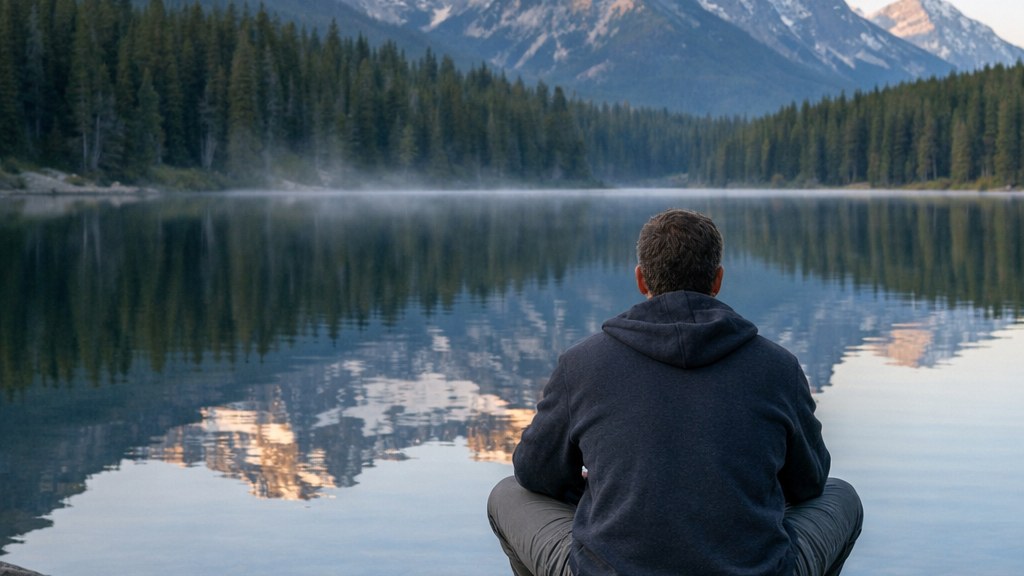
High-end travel is one example. Luxury travel planners and hospitality groups have pointed to demand for slower itineraries, wellness stays, nature, cultural immersion, and fewer crowded schedules. The most valuable trip is not always the busiest one. For some travelers, it is the one that creates space to recover.
This does not mean handbags, watches, jewelry, or fashion have lost importance. Traditional luxury goods remain large global businesses. But the meaning of luxury is broadening. A beautiful object may signal taste or wealth. A free afternoon may signal control.
The same change is visible in homes. Design trends increasingly include quiet rooms, reading corners, wellness spaces, low-tech rituals, and lighting or layout choices that support calm. These are not only style choices. They reflect a demand for private space in a world that is always asking for attention.
## Younger workers set different goals
Generational data adds another layer. A 2025 global survey of Gen Z and millennials found that many younger workers place strong value on work-life balance, financial security, meaning, and well-being. Only a small share named reaching a leadership position as their main career goal.
That does not show a lack of ambition. It shows a different definition of success. For many younger adults, a good life includes growth, but also enough time for health, relationships, learning, and rest.
This shift is likely to affect employers, cities, travel companies, luxury brands, and technology platforms. Products and services that save time, reduce friction, or protect attention may become more valuable. So may workplaces that make focus easier rather than asking each person to fight distraction alone.
The idea is simple. In an age of abundance, the rarest thing may be a clear mind. The new luxury is not only owning more. It is having enough time, space, and quiet to decide what matters.
AI Perspective
The growing value of thinking time shows how deeply daily life has changed. People are not only seeking comfort or status; they are seeking control over attention. The strongest response may come from workplaces, homes, and services that make quiet time easier to protect.


-134c72da.webp)


