[[[SUMMARY_START]]]
Consumers now face more options than ever in shopping, media, finance, travel, health and information.
Yet many of those options are shaped by algorithms, subscription systems, default settings and automated tools.
Recent surveys and regulatory actions show a growing concern: choice is increasing, but people often have less practical control over the decisions in front of them.
[[[SUMMARY_END]]]
The modern consumer has more choice than any previous generation. A person can compare hundreds of products in seconds, stream from dozens of platforms, order food from many restaurants, work with AI tools, and switch between banks, apps and services with a few taps.
But the experience of choosing is becoming less simple. More decisions are now filtered, ranked, nudged or automated by digital systems. The result is a growing gap between access to options and real personal agency.
Choice has expanded across daily life. Streaming services have replaced fixed television schedules. Online stores have replaced limited shelf space. Financial apps, travel platforms, delivery services and health portals give users many paths to the same goal.
The growth is real. Streaming passed a major U.S. milestone in May 2025, when it drew a larger share of total television use than broadcast and cable combined. That shift gave viewers more control over when and where they watch.
It also created new complexity. Many viewers now manage several subscriptions to follow different shows, sports events or film libraries. Industry surveys in 2025 and 2026 found that consumers often describe the market as fragmented, expensive and tiring to manage.
This pattern is not limited to entertainment. Online shoppers can compare more prices, but must also navigate sponsored results, loyalty prompts, timed offers, shipping thresholds and product rankings. Workers can use more software tools, but may spend more time managing dashboards, passwords, permissions and notifications.
A global consumer trends survey found that 61% of people often feel overwhelmed by choices. That does not mean people want fewer options. It means the burden of sorting, comparing and deciding is rising.
## The role of design
Digital design now plays a major role in how choices are made. Buttons, defaults, menus and warnings can guide users toward one action over another. Some of this guidance is helpful. A clear filter, a trusted review system or a simple reminder can save time.
But regulators have focused on darker forms of design. The OECD has described “dark commercial patterns” as online practices that steer, deceive or manipulate consumers through the way choices are presented. A 2024 OECD update said nine out of ten consumers had been affected by such tactics, including hidden fees, countdown timers, subscription traps and confusing privacy notices.
Subscription services have become one of the clearest examples. Signing up is often fast. Canceling can be harder. The U.S. Federal Trade Commission said consumer complaints about negative-option programs had climbed to nearly 70 per day on average in 2024, compared with 42 per day in 2021.
The agency finalized a “click-to-cancel” rule in 2024 to make canceling recurring subscriptions as easy as signing up. A federal appeals court vacated the rule in July 2025 on procedural grounds before it fully took effect. The legal result left the larger problem unresolved: people may have the formal right to cancel, but the practical path can still be difficult.
## Algorithms choose what people see
Another shift is happening before the decision point. Many choices are now shaped by recommendation systems. These systems decide which videos appear first, which posts receive attention, which products are promoted, and which search results a user is likely to see.
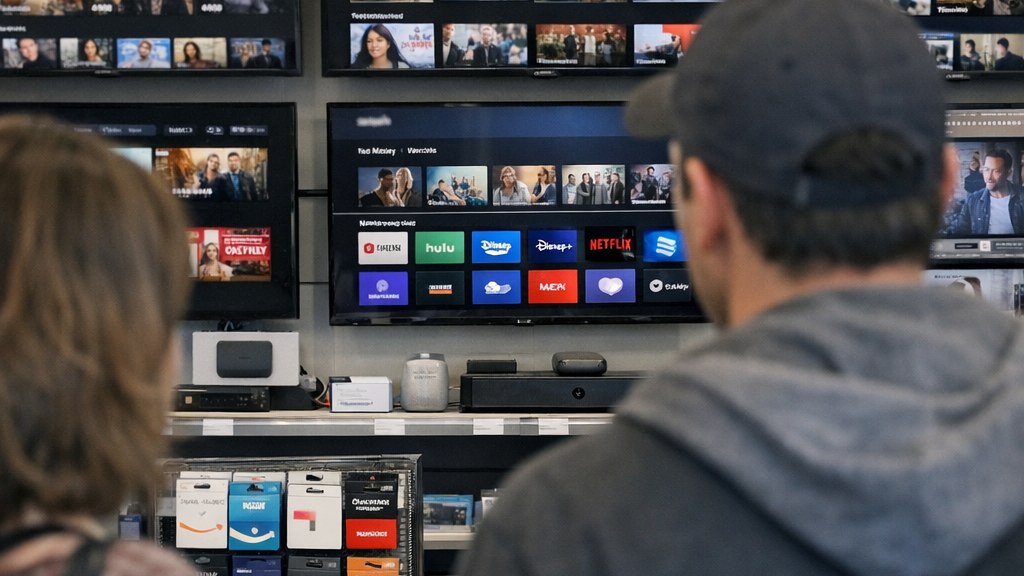
The European Union’s Digital Services Act, which has applied broadly since February 2024, requires large online platforms to give more transparency around advertising and recommender systems. It also gives users channels to appeal certain platform decisions. These rules reflect a wider policy concern: people need more than access to platforms. They need understandable control inside them.
## AI raises a new agency question
Artificial intelligence is pushing the issue further. Traditional recommendation tools suggest. Newer AI agents can act. They can draft messages, compare products, schedule tasks, summarize documents or help complete purchases.
This can reduce effort. It can also move decisions one step farther from the person affected by them.
Public opinion remains cautious. A 2025 survey of U.S. adults found that 50% were more concerned than excited about the increased use of AI in daily life, up from 37% in 2021. A 2026 survey of U.S. adults found broad interest in AI tools, but also concern about fewer human-to-human interactions and loss of control over AI.
Businesses are moving quickly toward automated customer service and agentic commerce. Yet trust remains uneven. Consumers may accept AI when it saves time, but they still want to know when they are dealing with a machine, what data it uses, and how to override it.
## The central tension
The issue is not that choice has become bad. More options can lower prices, widen access and give people better matches for their needs. A rural patient may find a telehealth provider. A student may find free lessons. A family may compare cheaper travel routes.
The concern is that many choices are now presented inside systems designed around business goals, attention capture or data collection. When defaults are sticky, rankings are opaque and exits are hidden, choice can become more symbolic than real.
A healthier digital market may depend less on adding more options and more on making decisions easier to understand. Clear prices, simple cancellation, visible settings, human appeal routes and honest labeling of AI systems are all part of that shift.
The future of choice may not be measured by how many buttons people can click. It may be measured by whether they can still decide freely, clearly and without being pushed in ways they do not see.
AI Perspective
The expansion of choice is valuable, but only when people can understand and control the path in front of them. Digital systems should reduce confusion, not hide it behind polished menus and automated recommendations. The main test for new technology is whether it gives people more practical power over their lives, not just more options on a screen.


-134c72da.webp)


-6c40e5ef.webp)