[[[SUMMARY_START]]]
Nearly 40 years after the 1986 Chernobyl disaster, forests, wetlands, and wildlife have spread across much of the abandoned exclusion zone.
Large mammals and many bird species are now common in areas once dominated by people and industry.
But the recovery is not simple: radiation still affects some habitats and species, and scientists continue to debate how deep those effects run.
Recent safety concerns linked to the war in Ukraine have also shown that Chernobyl remains an active environmental and nuclear risk site.
[[[SUMMARY_END]]]
Nearly four decades after the explosion at Reactor 4 on April 26, 1986, the land around Chernobyl presents a striking contradiction. It is still one of the world’s most famous contaminated places. Yet across much of the exclusion zone, forests have thickened, wetlands have spread, and wildlife has returned in large numbers.
The result is not a story of full healing. It is a story of uneven recovery. Nature reclaimed many abandoned villages, roads, and fields after people left. At the same time, radioactive contamination remains in soil, plants, water, and some food chains, especially in the most heavily polluted areas close to the plant.
The Chernobyl exclusion zone covers a large area of northern Ukraine, with adjoining protected contaminated territory in Belarus. After the disaster, tens of thousands of people were evacuated and farming, forestry, and industry largely stopped across the restricted zone.
That withdrawal of human pressure changed the landscape as much as radiation did. Former fields turned into grassland and then woodland. Empty settlements broke down under vines and trees. In many places, the lack of roads, hunting, cultivation, and construction created conditions more like a reserve than an industrial region.
International assessments have long described this as a paradox. The accident caused severe early damage to plants and animals in the most exposed areas. But after radiation levels fell from their first extreme peak, many populations recovered, helped by reproduction and movement from less affected places. Over time, the zone became a refuge for biodiversity despite its contamination.
## Wildlife came back, though not evenly
Camera traps, track counts, and field surveys over the years have found strong populations of large mammals in the wider exclusion zone. Studies have reported that elk, deer, and wild boar can be found at levels comparable to those in some uncontaminated reserves nearby. Wolves have drawn particular attention, with some research finding much higher numbers than in neighboring protected areas.
Other species have also become symbols of the zone’s unexpected revival. Lynx, beavers, birds of prey, and many wetland birds are regularly recorded. The area has also been known for free-ranging Przewalski’s horses, introduced in the 1990s and able to persist in the abandoned landscape.
Still, scientists caution against turning Chernobyl into a simple tale of wildlife triumph. Population counts can look healthy at the landscape scale while hidden biological stress remains at the level of cells, reproduction, or lifespan. Some studies have linked higher radiation exposure to lower abundance in certain mammals and to genetic or developmental damage in some organisms. In other words, animals can be present and still be affected.
## Radiation remains part of the ecosystem
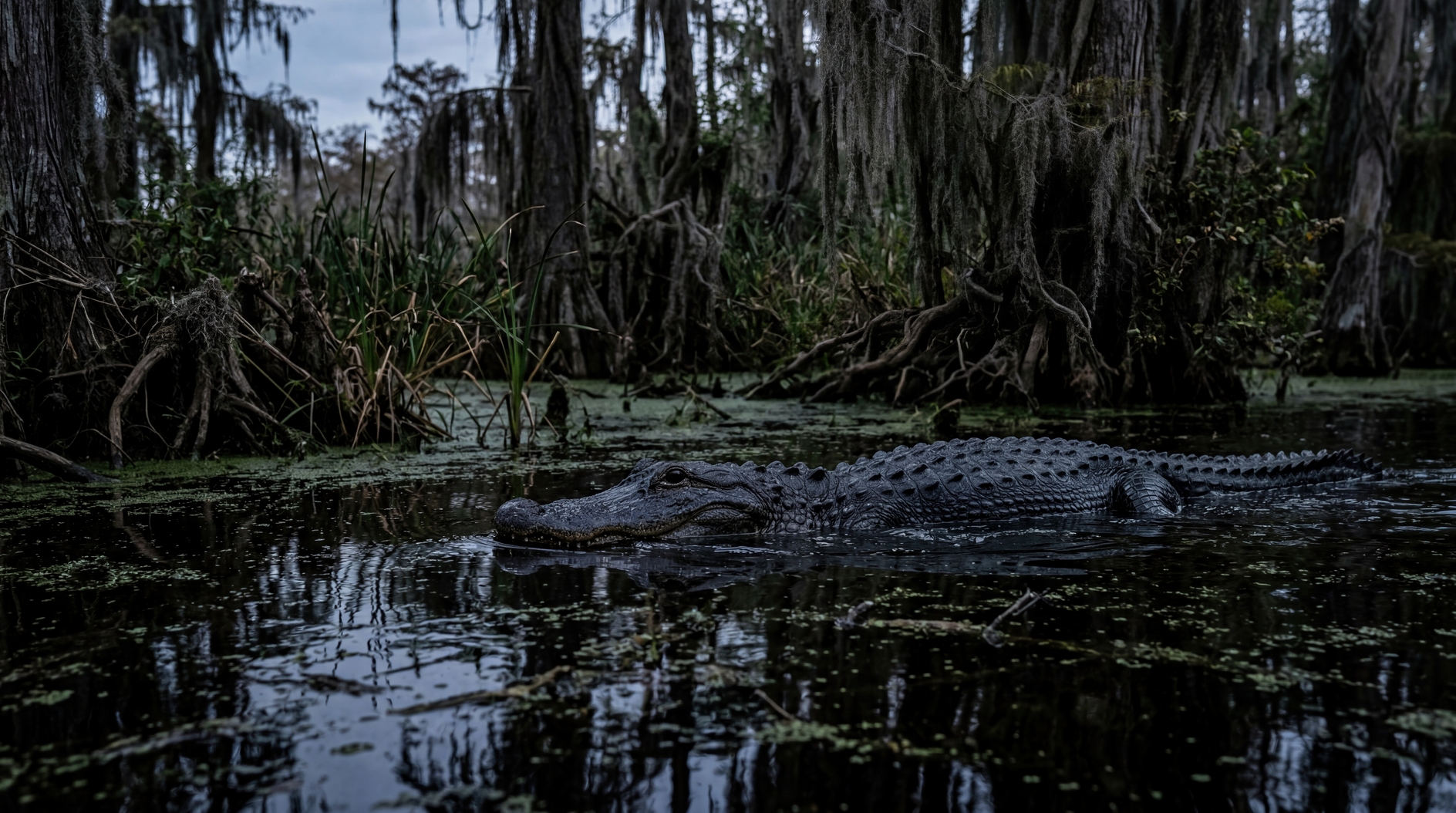
That influence is not always easy to measure. Researchers continue to debate how much chronic low-to-moderate radiation changes animal populations in the real world, where weather, habitat quality, fire, predators, and food supply also matter. Recent work on soil microbes in the exclusion zone, for example, suggests that some microbial communities are shaped more by harsh local conditions such as acidity and low moisture than by radiation alone.
This is one reason Chernobyl remains a major scientific field site. It offers a rare chance to study how ecosystems respond over decades to contamination, abandonment, and rewilding at the same time. The main lesson so far is caution: recovery is real, but it is incomplete and highly patchy.
## New risks in the present day
Chernobyl is not only a historical site. It is still an active nuclear safety concern. In 2025, the protective New Safe Confinement over the destroyed reactor was damaged in a drone incident and subsequent fire, though radiation monitoring showed no abnormal increase in levels at the site. The episode was a reminder that the zone remains vulnerable during the war in Ukraine.
Wildfire is another recurring concern. Fires can threaten forests, infrastructure, and emergency operations, and they can also stir radioactive material trapped in vegetation and surface soils. Researchers studying the zone continue to track how fire, land conditions, and radiation interact.
So the modern image of Chernobyl is not just a forest swallowing buildings. It is a living, unstable borderland between recovery and risk. Nature has undeniably returned. But it has done so on radioactive ground, and under conditions that are still changing.
For that reason, Chernobyl remains one of the clearest examples of how ecosystems can rebound when people leave, while also showing that contamination does not simply disappear with time.
AI Perspective
Chernobyl shows two truths at once. Nature can return quickly when human pressure falls, but environmental damage can still last for generations. The zone is a reminder that recovery in the natural world is often real, complicated, and incomplete.


-134c72da.webp)


-6c40e5ef.webp)

-1d29b0b2.webp)
-2721737f.webp)
-55bf1fe2.webp)
-9f154954.webp)