[[[SUMMARY_START]]]
Loneliness is now treated as a serious public health issue, not only a private feeling.
Health agencies link weak social connection with higher risks of heart disease, stroke, dementia, depression and early death.
The problem affects older adults, young people, workers, caregivers and people facing poverty, disability or discrimination.
Governments and health systems are now looking at social connection as part of prevention and care.
[[[SUMMARY_END]]]
Loneliness has moved from the edges of public debate to the center of health policy. What was once seen mainly as a personal struggle is now being treated as a risk factor that can affect the body, the mind and whole communities.
## A health risk, not just a sad feelingLoneliness is the painful feeling that a person’s social life does not match what they need or want. Social isolation is different. It means having too few relationships, roles or regular interactions with others. A person can be isolated without feeling lonely. A person can also feel lonely in a crowd.
Health officials now group both problems under a wider idea: social connection. That includes the number of relationships people have, the support they receive, and the quality of those ties.
The issue became a public health crisis because research has linked weak social connection to serious health outcomes. People with poor social ties face higher risks of heart disease, stroke, type 2 diabetes, depression, anxiety, dementia and premature death. The U.S. Surgeon General’s 2023 advisory compared the mortality risk of lacking social connection with well-known risks such as smoking, obesity and physical inactivity.
The World Health Organization has also placed the issue on the global health agenda. Its social connection work estimates that about one in six people worldwide experience loneliness. It also estimates that loneliness is linked to hundreds of thousands of deaths each year.
## Why the problem grew
Loneliness did not begin with the COVID-19 pandemic. Long before lockdowns, many countries were already seeing signs of weaker community life. More people were living alone. Families were often spread across cities, regions or countries. Work, school and care responsibilities left many people with less time for friendships and civic life.
The pandemic made the problem more visible. Restrictions reduced in-person contact. Older adults in care settings, people with disabilities, students, caregivers and people living alone often lost regular routines that kept them connected. Many people returned to social life after the emergency phase, but some relationships had faded or never fully recovered.
Digital life has added another layer. Online tools can help people keep in touch, especially across distance or during illness. They can also support people who struggle to find community nearby. But heavy or harmful digital use can replace face-to-face contact, deepen comparison, or leave people feeling visible but not truly known.
Economic pressure also matters. Long work hours, unstable housing, poor transport, unsafe public spaces and a lack of parks, libraries or community centers can make connection harder. Loneliness is often worse for people already facing exclusion, including migrants, refugees, people with disabilities, LGBTQ+ people, people with low income and those with chronic illness.
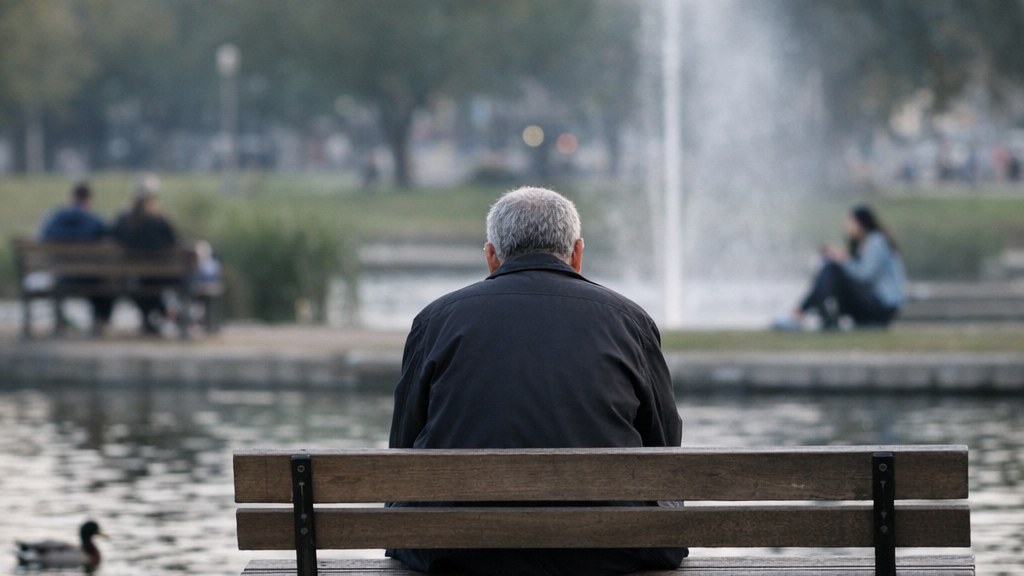
Loneliness is often linked with aging, and older adults do face real risks. Retirement, bereavement, illness, hearing loss, reduced mobility and living alone can narrow a person’s social world. Social isolation among older adults is also tied to higher dementia risk and other health concerns.
But the crisis is not limited to older people. Recent global estimates show high rates of loneliness among adolescents and young adults. This has raised concern because social connection during youth shapes mental health, learning and the ability to build stable relationships later in life.
For students, belonging at school can affect attendance, performance and wellbeing. For workers, feeling unsupported can affect job satisfaction and productivity. For communities, weak ties can reduce trust, safety and resilience during emergencies.
## What responses are emerging
Public health responses are starting to move beyond advice to “make friends.” The focus is shifting toward conditions that make connection easier.
Cities can design safe parks, walkable streets, public transport and shared spaces where people meet naturally. Schools can build belonging through mentoring, clubs and mental health support. Employers can encourage healthy teamwork without forcing constant availability. Health systems can screen for loneliness and connect people to community services, especially older adults and those with chronic conditions.
Some countries have created national strategies or ministerial roles focused on loneliness and social isolation. Community groups, libraries, faith organizations, sports clubs and volunteer networks are also part of the response.
The central idea is simple: social connection is not a luxury. It is part of health. Treating loneliness as a public health crisis does not mean every lonely person is sick. It means societies are recognizing that relationships, belonging and daily human contact can protect health in ways that medicine alone cannot.
AI Perspective
The rise of loneliness shows how health is shaped by daily life, not only by hospitals and medicine. Stronger social connection depends on personal effort, but also on schools, workplaces, cities and public policy. The most useful response is likely to be practical and local: more places, routines and support systems that help people know and rely on one another.


-134c72da.webp)


