[[[SUMMARY_START]]]
Consumers are increasingly turning to small indulgences such as fragrance, skincare, specialty coffee and premium snacks instead of larger luxury purchases.
The shift is tied to tighter household budgets, stress, and a growing focus on comfort, self-care and value.
Recent retail and consumer research suggests these lower-cost treats are proving resilient even as many shoppers stay cautious about broader spending.
[[[SUMMARY_END]]]
A quiet shift is reshaping the idea of luxury. For many shoppers, luxury no longer means a handbag, a fine watch or a high-end vacation. It now often means something smaller and easier to justify: a new lip product, a travel-size perfume, a better coffee, a scented candle or a favorite dessert at the end of a long day.
These purchases are modest by design. They offer a sense of comfort without the shock of a major bill. In a period marked by higher living costs and careful budgeting, that balance is helping define what many consumers see as an acceptable indulgence.
## A smaller form of reward
Recent consumer studies point to a clear pattern. People are still watching prices closely, but many are not giving up treats altogether. Instead, they are shifting toward lower-cost items that feel personal, mood-lifting and manageable.
That behavior has shown up strongly in beauty and personal care. Industry data released in early 2026 showed U.S. prestige beauty sales reached $36 billion in 2025, with growth across major categories. Fragrance remained one of the most important drivers. Separate market data showed prestige fragrance sales in the United States rose in 2025, while mass-market fragrance also posted strong gains.
The appeal is easy to understand. A fragrance, tinted balm or small skincare product can feel special, last for weeks or months, and still cost far less than a major luxury purchase. For many buyers, that makes it easier to defend as both practical and emotional.
## Why the trend is spreading
The broader economy helps explain the change. Consumer researchers have found that households are increasingly value-conscious, even when employment and spending remain relatively steady. Many people are cutting back in some areas while protecting a smaller budget for things that provide an emotional lift.
This pattern is often linked to the long-discussed “lipstick effect,” the idea that consumers under financial pressure may still buy affordable luxuries. In recent years, that idea has widened beyond cosmetics. It now includes beauty, at-home wellness, specialty food and drink, and low-cost experiences that add comfort to daily life.
Research published for 2026 also suggests the trend is tied to stress and the search for routine. Global consumer surveys found many people are looking for comfort, simplicity and sensory relief in everyday products. That helps explain the strength of categories built around scent, texture, taste and personal ritual.
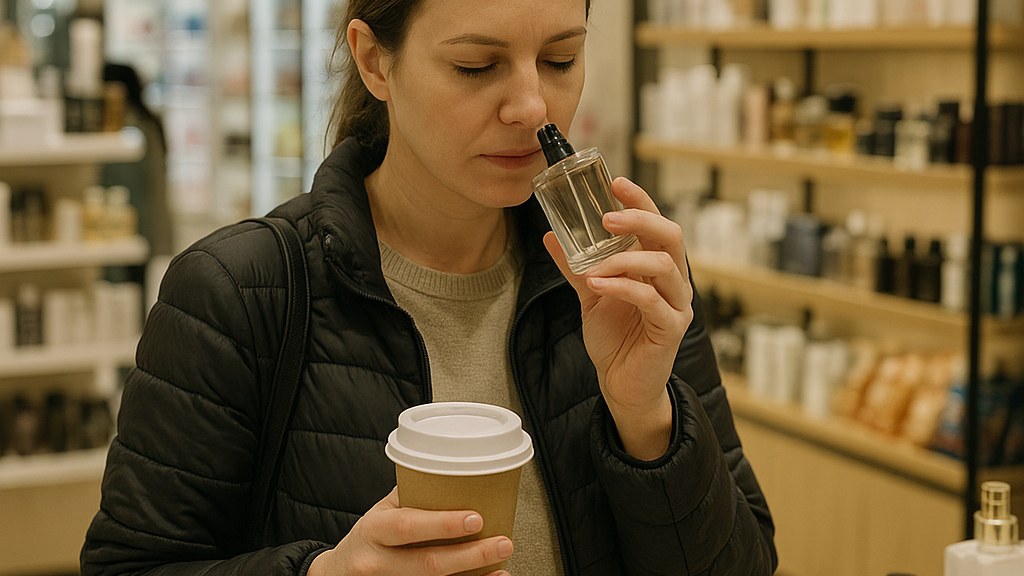
For younger adults, the pattern appears especially visible. A 2025 study of young adults in the United States found that 57% of Gen Z respondents buy themselves a small treat at least once a week. That does not necessarily mean carefree spending. It may also reflect a generation trying to create manageable rewards in a more expensive and uncertain environment.
## Beauty, coffee and home comforts
Beauty remains one of the clearest examples because the products sit at the meeting point of identity, self-care and affordability. Lip products, fragrance minis, body care and skincare all fit the everyday luxury model. They are premium enough to feel different from basic essentials, but usually still within reach.
Food and drink show a similar pattern. Consumers may skip a costly night out yet still choose a premium chocolate bar, a bakery item, higher-end ice cream or a café drink. At home, candles, room scents, bath products and upgraded bedding are being treated less as extravagance and more as small tools for comfort.
That does not mean shoppers are abandoning value. In many cases, they are buying smaller sizes, waiting for promotions, comparing brands more carefully, or mixing premium items with lower-cost basics. The trend is less about unchecked spending than selective spending.
## A new meaning of luxury
This is also changing the industry itself. Brands across beauty, fashion and consumer goods are putting more attention on entry-level products, travel sizes, giftable items and products that feel elevated without carrying the price tag of traditional luxury. The strategy reflects a simple reality: more consumers want a taste of premium life, but fewer are willing or able to make large discretionary purchases.
The result is a more democratic version of indulgence. Luxury, in this form, is not always rare or exclusive. It is often repeatable, personal and woven into ordinary routines.
For shoppers, the payoff is emotional as much as material. A small purchase cannot solve inflation or financial strain. But it can offer a brief sense of control, pleasure or calm. That helps explain why everyday luxury is not fading as a passing buzzword. It is becoming a practical spending habit for consumers who want both restraint and relief.
AI Perspective
The everyday luxury trend shows how consumers adapt when budgets feel tight but the need for comfort remains strong. Small indulgences can carry an outsized emotional value because they fit into daily life without requiring a major financial leap. That makes this trend less about excess and more about how people are redefining value.


-134c72da.webp)


-6c40e5ef.webp)

-1d29b0b2.webp)
-2721737f.webp)
-55bf1fe2.webp)
-9f154954.webp)