[[[SUMMARY_START]]]
Across many countries, everyday rituals are being reshaped by phones, apps and always-on social platforms.
Some practices are digital-first, like app reminders for prayer or meditation and online memorial pages.
Others use the internet mainly to organize in-person routines, such as run clubs and group events.
Researchers say these habits can anchor identity and memory, but they also raise questions about attention, privacy and digital legacies.
[[[SUMMARY_END]]]
In a world of constant notifications and shared calendars, ritual is returning in new forms. Some of it happens on screens. Some of it uses screens to bring people into the same room. Either way, many daily practices now blend the old need for structure with new tools built for speed and connection.
## Ritual moves into the feed — and back out into the streetHyperconnected life has made it easy to share routines, track habits, and invite others into them. That has helped create a new class of “modern rituals” that are simple, repeatable, and widely visible.
One clear example is the growth of organized social fitness. Activity platforms and social media make it easier to find a club, join a recurring schedule, and turn a workout into a weekly meet-up.
Data from Strava’s 2024 Year in Sport trend reporting has been widely cited for showing a sharp rise in running clubs on the platform in 2024, including a large increase in the number of clubs and strong interest among younger users in joining for social connection.
Running organizations in the United States have also pointed to post-pandemic demand for community as a driver of event participation and club activity. The pattern reflects a broader shift: online networks are being used to coordinate predictable, real-world gatherings.
## Apps as routine-makers for reflection and spirituality
Ritual is also growing through apps designed for prayer, meditation, gratitude, and other reflective practices. These tools often rely on reminders, streaks, and short daily sessions. The goal is not only content, but consistency.
Survey research in the United States has shown that a meaningful share of adults use apps or websites in their religious life, including daily use for prayer, scripture reading, or gratitude. Younger adults also tend to report higher use of apps and sites that encourage meditation.
This app-based layer can turn private reflection into something scheduled and measurable. For some users, the ritual is the notification itself: a prompt that marks time and creates a repeated pause in the day.
## Digital memorials and online mourning become lasting rituals
Another modern ritual is the way people grieve and remember online. Social platforms now host memorial pages, birthday posts for the deceased, and comment threads that function like communal remembrance.
Recent work has also raised ethical questions about what happens to a person’s digital traces over time, including new debates about AI-driven simulations of the dead. As tools for voice, image, and text generation improve, some researchers warn that consent, privacy, and dignity can become harder to protect after death.
## Live events are shaped by “shareable” habits
Ritual is not only about religion or grief. It can also be about how people attend festivals, sports, and public celebrations.
Research on memory and media has examined how social platforms influence live events before, during, and after attendance. Posting, saving, and revisiting content can become part of the experience itself. For many people, the ritual includes planning what to capture, how to present it, and how to preserve it.
This is visible at large public gatherings, from parades and marches to concerts and marathons. The phone can function as both a diary and a social signal, turning personal experience into a shared timeline.
## A search for calm inside constant connection
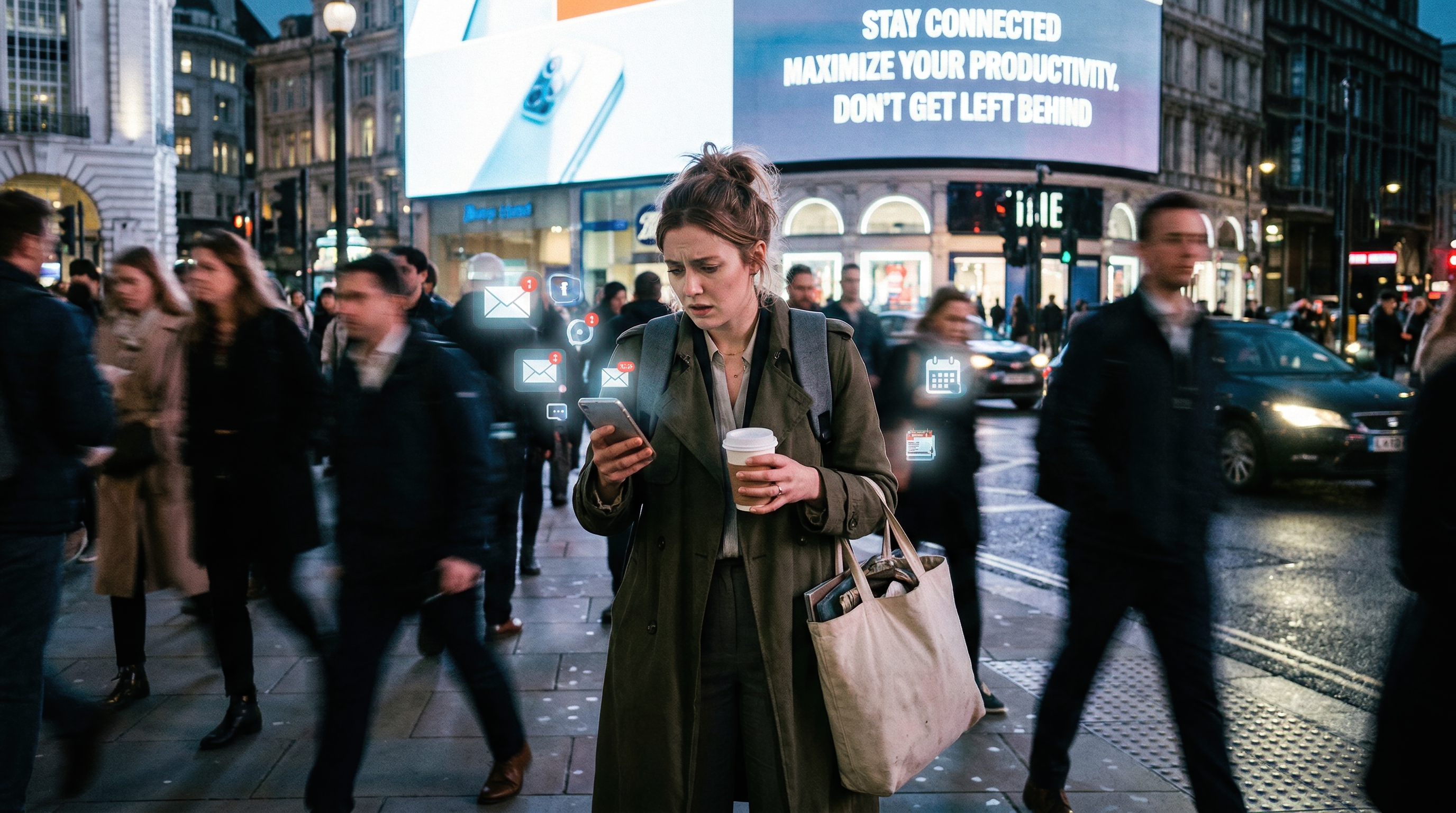
The renewed focus on ritual also connects to rising concern about attention and overload in digital life. Public discussion about excessive online content has surged in recent years, including around terms that reflect anxiety about heavy consumption of trivial or endless media.
In response, many people experiment with structured breaks, such as time-limited social media use, “do not disturb” hours, or device-free mornings. Some of these practices are informal, while others are built into app settings and operating systems.
Taken together, these patterns show a simple dynamic: hyperconnectivity creates stress and fragmentation, but it also provides the tools to build new routines. Modern rituals are often small. They can be a weekly run, a daily reminder to pray, a recurring memorial post, or a shared habit tracked on an app. Their power comes from repetition and belonging.
AI Perspective
Modern rituals look different from traditional ones, but they often serve the same purpose: they help people mark time, reduce uncertainty, and feel connected. Digital tools can make these routines easier to start and easier to share. The hardest part is keeping the benefits of structure and community while protecting attention, privacy, and personal boundaries.


-134c72da.webp)


-6c40e5ef.webp)