[[[SUMMARY_START]]]
International tourism has largely recovered to and in some cases moved above pre-pandemic levels. Air travel demand is strong, but the recovery looks different from the one travelers knew before 2020. Higher prices, tighter capacity, digital border checks and stronger pressure to cut emissions are changing how and where people travel.
[[[SUMMARY_END]]]
Global travel is back in force. Airports are busy again, holiday hotspots are crowded, and international tourism has recovered to around pre-pandemic levels and, in some periods, moved beyond them. But the return has not brought a simple return to the old model. Travelers now face fuller planes, higher costs, new border systems and growing pressure on destinations that are trying to balance tourism income with local quality of life.
International tourism completed its broad recovery in 2024, when global arrivals reached about 1.4 billion, close to 2019 levels. Early 2025 data showed the rebound continuing, with international tourist arrivals in the first quarter running 5% above the same period a year earlier and 3% above 2019. That means the recovery is no longer just a comeback story. It is now a transition into a different phase of travel.## Demand is strong, but flights are tighter
Air travel remains one of the clearest signs of the recovery. Industry data for 2025 showed total passenger demand rising 5.3% from 2024, with international demand up 7.1%. Load factors stayed near record highs, showing that airlines were filling more seats and operating with little spare room. In January 2026, global passenger demand was still rising, with international traffic up 5.9% from a year earlier.
That strength has not always translated into a smoother trip. Airlines have been dealing with aircraft delivery delays, engine problems and maintenance bottlenecks. Those supply constraints have limited how quickly carriers can add seats even as demand stays high. The result for many travelers has been a more expensive and less flexible market, especially on popular long-haul routes and during peak holiday periods.
## The trip itself is changing
The travel experience is also becoming more digital and more managed. In Europe, the new Entry/Exit System began operating in October 2025 and is set to become fully operational on April 10, 2026. It replaces passport stamping for many non-EU short-stay travelers with electronic records, including facial image and fingerprint data. Officials say the system is meant to improve efficiency and security, but it also shows how border crossings are becoming more automated and more data-driven.
For travelers, that means international trips increasingly involve new steps before and at the border. Over time, similar digital processes are expected to expand in other parts of the travel chain, from identity checks to trip documentation and airport processing.
## Where people go is changing too
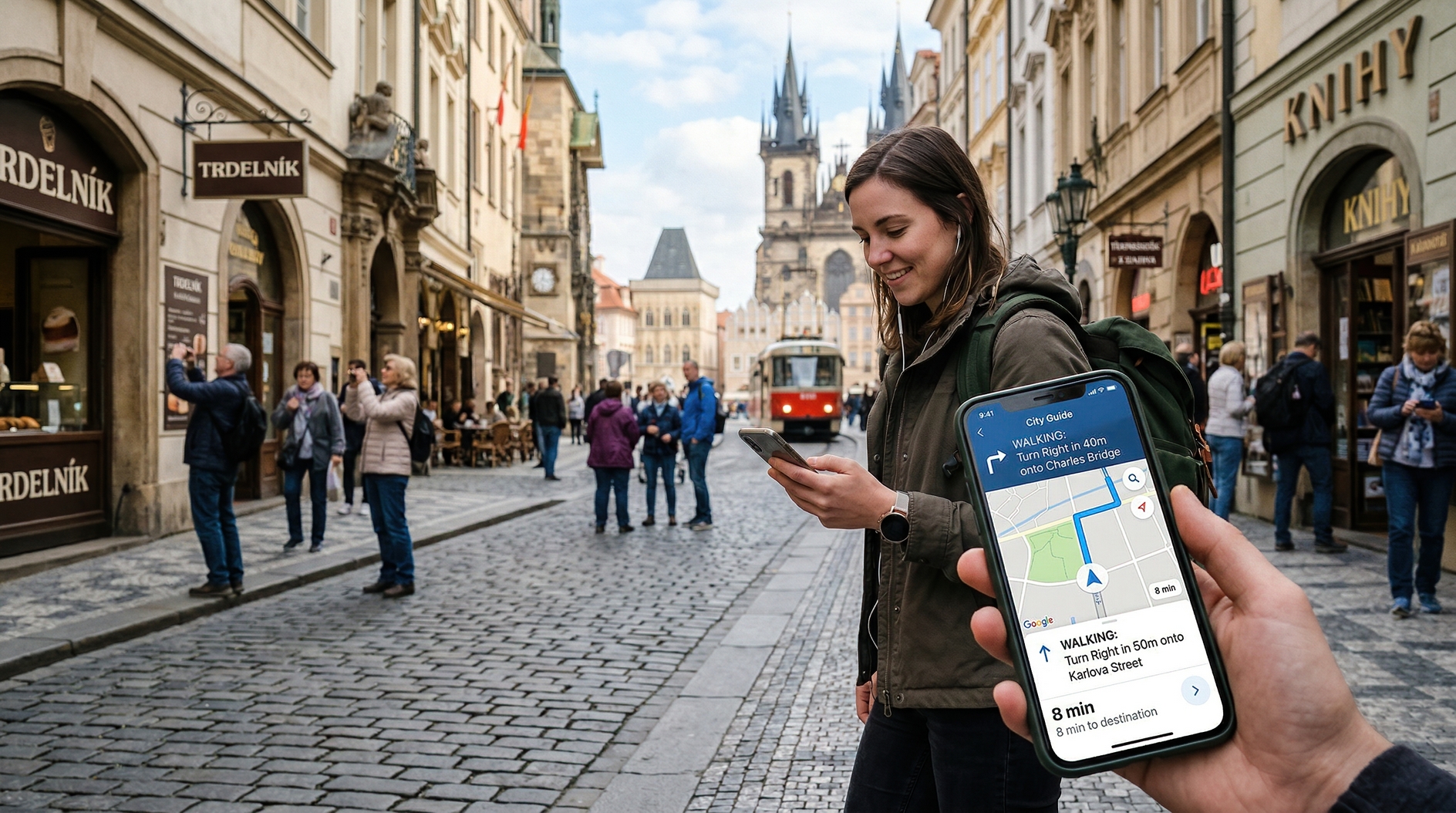
That push is helping raise the profile of smaller destinations, including rural communities. Tourism programs aimed at villages and lesser-known areas have gained more attention as policymakers look for ways to share economic benefits more widely and reduce pressure on heavily visited centers. The basic message is clear: more travel does not always mean the same travel.
Business and leisure travel patterns have shifted as well. The old split between work trips and holidays is less rigid than it was before the pandemic. Flexible work and blended travel remain part of the market, even if they vary by employer, industry and destination. Many travelers are also placing more value on longer stays, convenience and reliability rather than simply taking the cheapest option.
## Growth now comes with climate pressure
The strongest long-term difference may be the climate question. Aviation demand is growing, but the sector is under rising pressure to reduce emissions. The airline industry sees sustainable aviation fuel as a central tool for decarbonization, yet supply remains very limited. Industry estimates show SAF accounted for only a small fraction of total jet fuel use in 2025, despite recent growth.
This creates a tension at the center of modern travel. People want to keep moving, and many economies depend heavily on tourism, aviation and related services. At the same time, governments, companies and travelers are facing a harder debate over emissions, infrastructure and the environmental cost of ever-rising mobility.
That is why the current boom looks different from the one that came before it. The world is traveling again, but not with the same assumptions. The trip is busier, more digital, often pricier and more closely tied to debates about sustainability and local impact. Travel has recovered. The old version of travel has not.
AI Perspective
The return of global travel shows how strong the desire to move, meet and explore still is. But the industry now has to balance growth with cost, border efficiency, local strain and climate goals. The next phase of travel may be defined less by volume alone and more by how responsibly that volume is managed.


-134c72da.webp)


-6c40e5ef.webp)