[[[SUMMARY_START]]]
Governments and health agencies are pushing harder for better diets, from food labels to sugar taxes and school rules. But global nutrition data still show a stubborn gap between ambition and daily reality. Healthy eating is gaining visibility, yet obesity, poor diet quality and the cost of nutritious food suggest the shift remains incomplete.
[[[SUMMARY_END]]]
Talk of a global move toward healthier eating is now common in public policy, business marketing and everyday life. More people know the language of whole grains, added sugar, plant-based meals and ultra-processed foods. Many governments have also introduced stronger nutrition policies in recent years.
But the wider picture is mixed. Global health and food data show that while awareness and regulation have grown, unhealthy diets still shape daily life for billions of people. In that sense, the shift is real in some places and in some policies, but still looks more partial than transformative.
The case for healthier diets is now firmly established in global health policy. International nutrition goals have been extended to 2030, and governments are under pressure to reduce obesity, diet-related disease and malnutrition in all its forms.
This policy shift can be seen in several areas. More countries are using front-of-pack nutrition labels, limits on food marketing to children, school food standards, and taxes or reformulation efforts aimed at products high in salt, sugar or unhealthy fats. Health agencies are also giving more attention to ultra-processed foods and the way food environments shape what people buy.
That means the idea of healthy eating is no longer a niche lifestyle issue. It has become a governance issue, linked to healthcare costs, productivity, inequality and long-term development.
## The hard numbers tell a tougher story
If the world were truly moving quickly toward healthier diets, nutrition outcomes would be improving more clearly. Instead, many of the most important indicators remain troubling.
Obesity is still rising at a global scale. More than 1 billion people were living with obesity in 2022, and one in eight people worldwide now falls into that category. Adult obesity has more than doubled since 1990, while obesity among children and adolescents has risen even faster.
At the same time, undernutrition has not gone away. Global hunger has remained stubbornly high, and the world is still off track to meet major nutrition targets by 2030. That means the problem is not simply that people are eating too much. In many countries, people are eating too poorly, too irregularly, or from food systems that make healthy choices difficult.
This is the core contradiction of the current era: diet awareness is rising, yet malnutrition in different forms remains deeply widespread.
## Price remains one of the biggest barriers
One reason is simple. Healthy diets are still too expensive for many households.
Recent global estimates show that more than 2.8 billion people were unable to afford a healthy diet in 2022. Newer reporting suggests access is improving in some parts of the world, but progress is uneven, and the burden remains heaviest in lower-income countries.
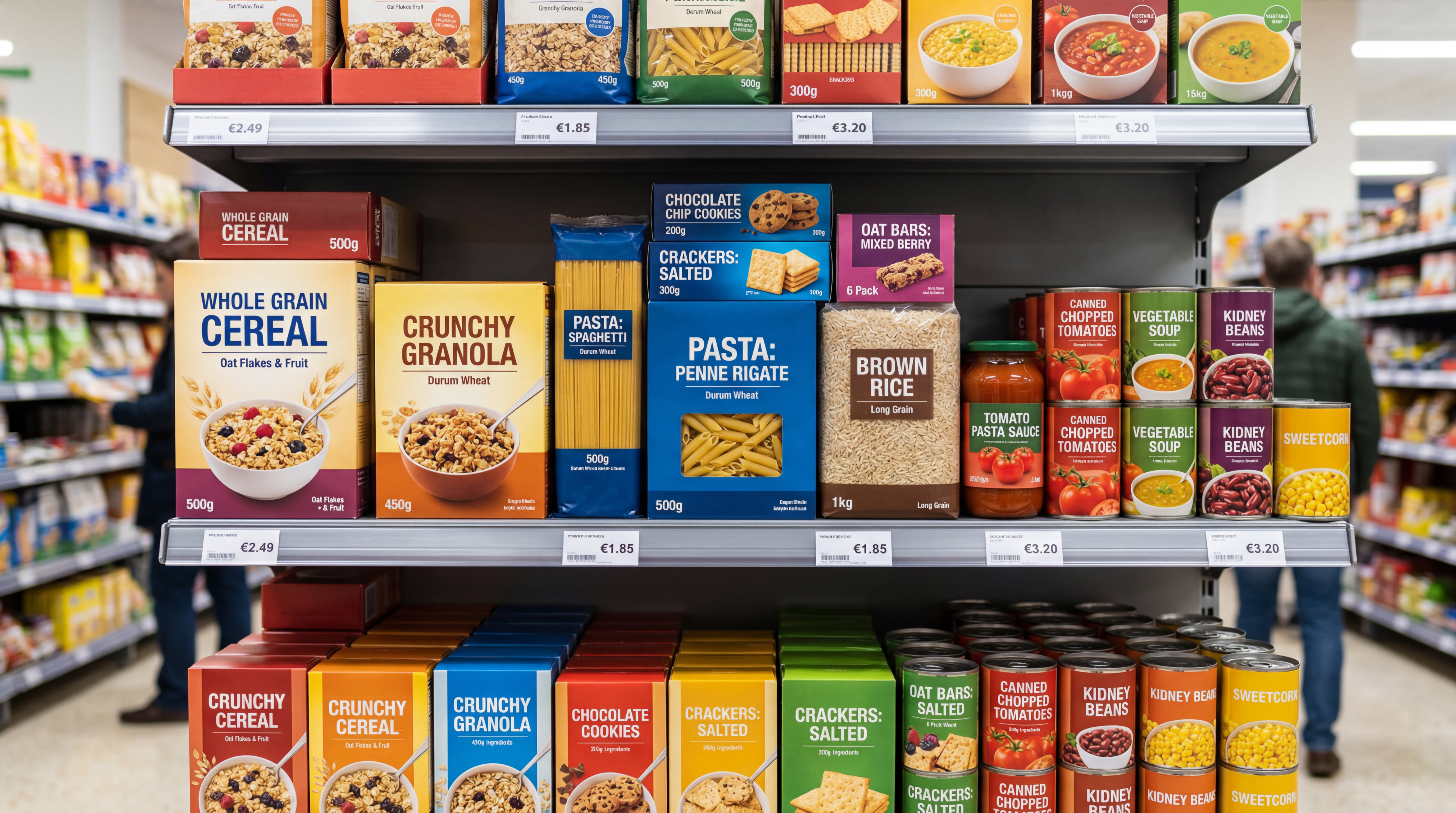
Over time, that imbalance helps drive the modern double burden of malnutrition: undernutrition and micronutrient deficiency on one side, and overweight, obesity and diet-related chronic disease on the other.
## Ultra-processed foods have changed the landscape
Another reason the global picture remains mixed is the growing role of ultra-processed foods. These products are often cheap, convenient, heavily marketed and widely available in both rich and middle-income countries. Research continues to link high consumption of such foods with worse health outcomes, even as scientists debate how much risk comes from processing itself and how much comes from salt, sugar, fats and overall dietary pattern.
What is clearer is the broader trend. In many places, fruits, vegetables and other healthier staples have not become the easiest default option. Packaged snacks, sugary drinks and ready-made foods often fit modern urban life better, especially where time, money and cooking facilities are limited.
That helps explain why healthy-diet messaging can expand at the same time that real diets do not improve enough.
## Reality, illusion, or both?
The most accurate answer is both.
The shift is real in public awareness, in health policy, and in the growing recognition that food systems shape disease as much as medical care does. It is visible in school meal reforms, labeling rules, reformulation targets, and stronger debate over what should be sold, promoted and subsidized.
But it is also incomplete enough to feel illusory. Global diet-related disease remains high. Obesity continues to rise. Healthy food is still unaffordable for a large share of humanity. And many food systems still reward volume, shelf life and convenience more than nutritional quality.
So the world is not witnessing a clean turn toward healthier diets. It is living through a contested transition. The language of healthy eating has spread faster than the conditions needed to make healthy eating normal, affordable and routine.
That gap may be the most important fact of all.
AI Perspective
This topic shows how easily public progress can be overstated when awareness rises faster than outcomes improve. A healthier global diet will depend less on slogans and more on prices, access and the rules that shape food markets. The real test is not whether people talk more about nutrition, but whether healthy food becomes the easier daily choice.


-134c72da.webp)


-6c40e5ef.webp)