[[[SUMMARY_START]]]
Potassium is an essential mineral that supports nerves, muscles, and fluid balance. Many people can reach a full day’s intake through regular foods such as potatoes, beans, yogurt, leafy greens, fruit, and fish. The right target depends on age, sex, and health status, so some people should be careful before increasing intake.
[[[SUMMARY_END]]]
Getting 100% of your daily potassium does not usually require supplements. For most healthy adults, it can be done by building meals around a few potassium-rich foods and spreading them across the day. The key is to know which daily target you are using, because food labels and nutrition guidance do not always use the same number.
Potassium helps the body control muscle movement, nerve signals, and fluid balance. It also plays an important role in blood pressure. Even so, many diets fall short because they rely heavily on processed foods and too little fruit, vegetables, beans, and dairy.For adults, the target depends on the standard being used. The Nutrition Facts label uses a Daily Value of 4,700 milligrams. But the recommended adequate intake for adults is lower for many people: about 3,400 milligrams a day for men and 2,600 milligrams a day for women. That means “100% daily” can mean different things in practice.
## Foods that add up quickly
A simple way to reach a full day’s potassium is to choose one or two strong sources at each meal. Potatoes are among the best-known examples. One medium baked potato with the skin can provide around 900 milligrams. A baked sweet potato also makes a major contribution, often around 500 to 700 milligrams.
Beans, peas, and lentils are another reliable group. A half-cup of white beans can provide roughly 600 milligrams, while other cooked beans and lentils often deliver several hundred milligrams per serving. Cooked spinach is also concentrated. A half-cup can provide more than 400 milligrams, and larger portions can go much higher.
Plain yogurt is a practical everyday option. One cup can provide roughly 500 to 600 milligrams, depending on the type. Fish can help too. A 3-ounce serving of salmon often provides around 500 milligrams. Fruit also matters, though bananas are only one part of the picture. A medium banana gives roughly 400 to 450 milligrams, while orange juice, melons, apricots, and some dried fruits can also help.
## A sample day that reaches the goal
One realistic day of eating can get close to or exceed the 4,700-milligram Daily Value without looking extreme.
Breakfast: one cup of plain yogurt with a banana, about 1,000 milligrams combined.
Lunch: a bowl with one medium baked potato, half a cup of beans, and cooked spinach, roughly 1,900 milligrams or more depending on portion size.
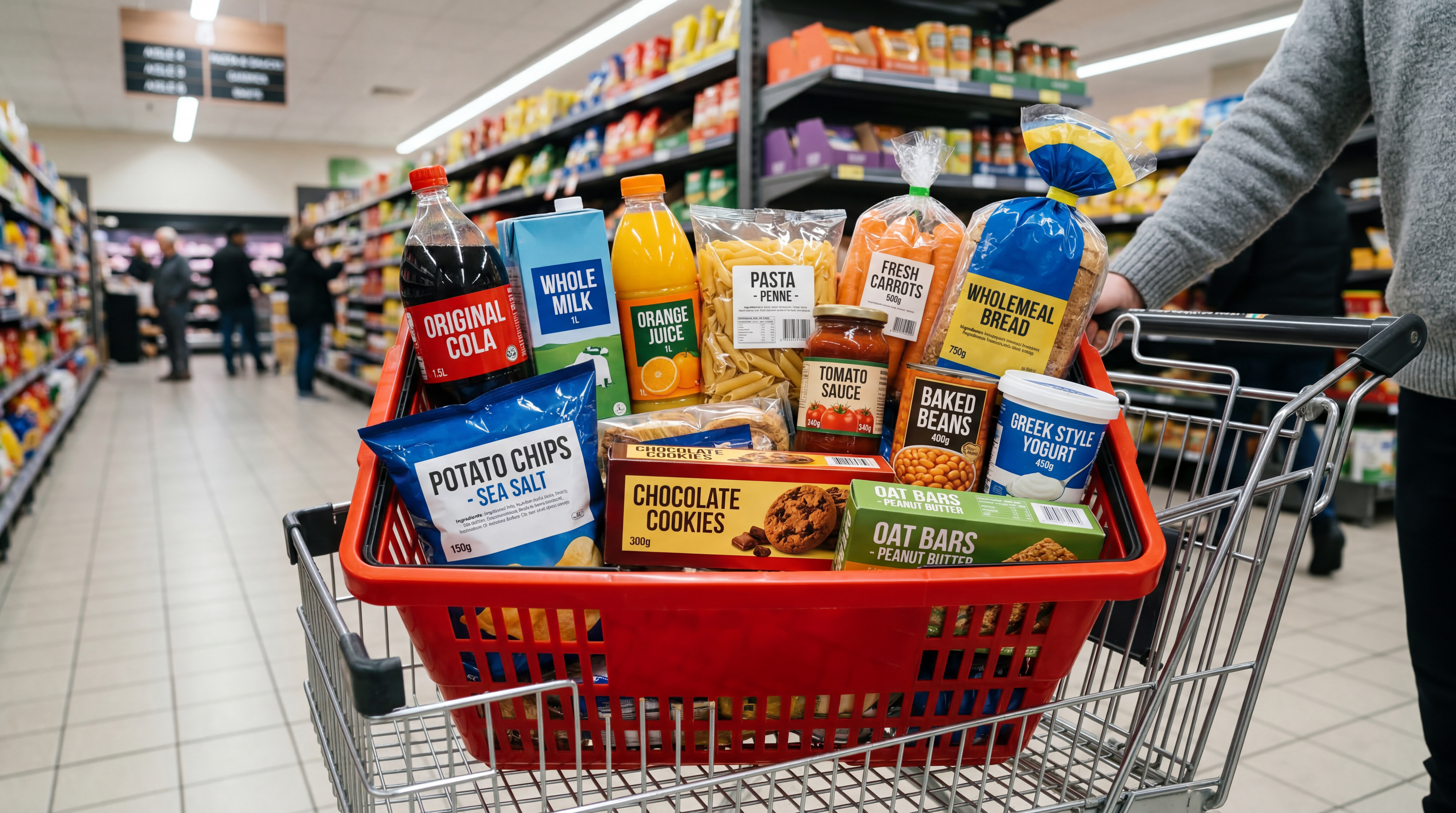
Add fruit, milk, vegetable juice, tomatoes, or another bean serving during the day, and the total can move past 4,700 milligrams.
This pattern also brings fiber, protein, vitamins, and other minerals. That is one reason health experts usually favor food over supplements for people who simply want to improve intake.
## What to watch on labels and in daily life
The newer Nutrition Facts label lists potassium in milligrams and as a percent Daily Value. That can make it easier to track intake from packaged foods, but whole foods often matter more because many of the best potassium sources are fresh or minimally processed.
A practical strategy is to think in clusters instead of chasing a single “superfood.” For example, pair a dairy food with fruit in the morning, include beans or potatoes at lunch, and add greens or fish at dinner. Repeating this pattern is usually easier than trying to force all potassium into one meal.
It also helps to keep sodium in mind. Diets that are high in potassium and lower in sodium are often linked with better blood pressure control. So reaching your potassium goal works best as part of an overall eating pattern, not as an isolated number.
## When more potassium is not always better
For some people, increasing potassium on purpose can be risky. People with kidney disease, those on dialysis, and some people taking medicines that affect potassium balance may need to limit high-potassium foods or avoid potassium-based salt substitutes. In those cases, a standard high-potassium meal plan may not be safe.
That is why the safest answer is simple: if you are generally healthy, getting 100% of your daily potassium from food is often very achievable. Build meals around potatoes or sweet potatoes, beans, leafy greens, yogurt, fruit, and fish, and let the total accumulate through the day. If you have kidney problems or take medicines that affect potassium, check with a clinician before trying to increase intake.
AI Perspective
This topic shows how nutrition advice often becomes easier when it is translated into meals instead of numbers. Potassium is less about one famous food and more about a steady pattern of fruits, vegetables, beans, dairy, and other whole foods. The main caution is that a good target for one person may be unsafe for another, especially with kidney disease.


-134c72da.webp)


-6c40e5ef.webp)