[[[SUMMARY_START]]]
Nutrition guidance is moving back toward familiar basics. Recent evidence and public health advice increasingly point to meals built from vegetables, fruit, beans, whole grains, nuts, dairy, seafood, and other minimally processed foods. The shift reflects growing concern about diets heavy in ultra-processed products, which remain a major part of daily eating in the United States.
[[[SUMMARY_END]]]
For years, modern diet culture has moved in cycles. One season favors cutting carbs. Another focuses on protein, fasting, supplements, or highly engineered “healthy” snacks. But across medical guidance and nutrition research, one message has become clearer: simple eating still holds up.
That does not mean a strict or old-fashioned diet. It means building meals from recognizable foods, cooking more often when possible, and relying less on heavily processed products. In 2026, that advice looks less like a trend and more like a steady center point in a crowded food market.
## Why simple eating keeps returning
Simple eating appeals for a practical reason: it is easier to understand than a rule-heavy diet. A meal based on oatmeal, yogurt, fruit, beans, rice, eggs, fish, salad, soup, or roasted vegetables needs little interpretation. It often brings fiber, vitamins, minerals, and a better balance of energy than packaged foods built around refined starches, added sugars, salt, and industrial formulations.
Recent federal guidance has also moved toward a food-first message. The broad idea is not to chase a perfect menu or ban entire food groups. It is to make routine meals more nutrient-dense and less dependent on products marketed as convenient wellness solutions.
That approach also fits with the way many dietitians now speak to the public. Instead of asking people to count every gram, they often focus on repeating a few reliable habits: eat more plants, choose whole grains more often, include protein with meals, and cut back on sugary drinks and highly processed snacks.
## The pressure from ultra-processed foods
One reason this shift matters is that ultra-processed foods still make up a large share of everyday eating, especially in the United States. These foods can include sweetened drinks, packaged desserts, chips, instant meals, fast-food combinations, and many snack products designed for long shelf life and intense flavor.
Research published in recent years has linked higher intake of ultra-processed foods with worse health outcomes across several areas, including cardiovascular disease and type 2 diabetes risk. Some reviews note that the evidence does not mean every processed item is equally harmful, and researchers are still debating which part of the problem matters most: the processing itself, the nutrient profile, how the foods are marketed, or how easily they displace healthier meals. Even so, the overall direction of the evidence has pushed health authorities to pay closer attention.
The concern is not only what these foods contain. It is also what they replace. When packaged snacks and ready-to-eat meals take the place of beans, vegetables, fruit, or whole grains, diet quality tends to drop. Over time, that can shape weight, blood sugar, heart health, and daily energy.
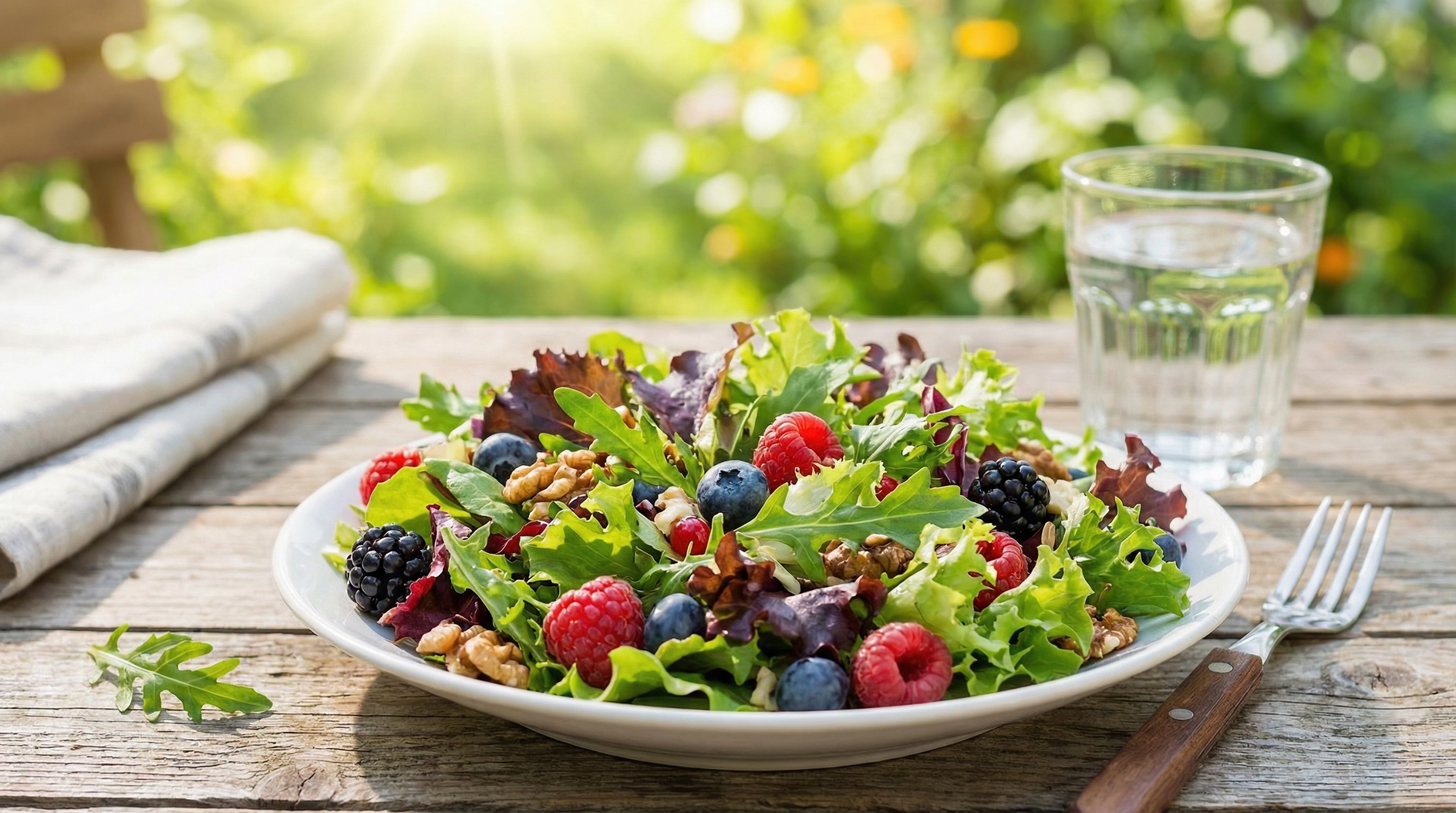
Many popular diets borrow from the same healthy principles, but they often become confusing in practice. Mediterranean-style eating remains widely respected because it is flexible and food-based. It centers on vegetables, legumes, grains, olive oil, nuts, and fish, with room for local variation. It does not depend on powders, bars, or strict timing rules.
By contrast, some modern diets are built around labels rather than foods. A product may be sold as high-protein, low-carb, keto-friendly, plant-based, or functional, yet still be heavily processed. That does not automatically make it unhealthy, but it can make people think they are eating simply when they are actually buying a more complicated version of the same snack culture.
This is one reason the plainest advice often travels best: an apple is easier to evaluate than an apple-flavored performance product. Lentils are easier to understand than a shelf-stable meal replacement with a long ingredient list.
## What smart eating looks like now
For most people, eating simply does not require a full lifestyle overhaul. It can start with a few steady changes: choosing water more often than sweet drinks, eating fruit instead of dessert some days, cooking a basic dinner at home, or making lunch from leftovers instead of packaged convenience foods.
Simple eating also leaves room for real life. Frozen vegetables, canned beans, plain yogurt, peanut butter, whole-grain bread, and tinned fish can all support a strong diet. The goal is not perfection or culinary purity. It is a pattern that is easier to sustain over months and years.
Cost and access still matter. Fresh food is not equally available everywhere, and time for cooking is not evenly shared. That is one reason nutrition experts increasingly talk about realistic swaps rather than idealized diets. A simpler diet works best when it is affordable, familiar, and repeatable.
In that sense, the truth about modern diets may be less dramatic than the marketing around them. After years of competing promises, the smartest choice today may be the least flashy one: eat food that looks like food, keep most meals straightforward, and let consistency do more of the work.
AI Perspective
Food advice often becomes noisy when it is turned into a trend. The stronger long-term message is much quieter: diets built from familiar, minimally processed foods are easier to follow and easier to trust. In a crowded wellness market, simplicity may be one of the most useful forms of nutrition guidance.


-134c72da.webp)


-6c40e5ef.webp)