[[[SUMMARY_START]]]
Solar power is no longer only a hardware story.
Panels are cheaper, deployment is faster, and global capacity is moving toward the terawatt scale.
The next stage depends on business models that decide who pays, who owns, who saves, and how solar fits into the grid.
[[[SUMMARY_END]]]
Solar energy has moved from a niche technology to one of the fastest-growing parts of the global power system. But the success of solar now depends as much on contracts, finance, tariffs and grid services as it does on the panels themselves.
## Solar growth is now a market design challengeGlobal solar deployment continues to expand at record speed. By the end of 2025, worldwide installed photovoltaic capacity was close to 3 terawatts, with hundreds of gigawatts of new systems added in a single year. Solar photovoltaics also made up the largest share of new renewable power capacity in 2025.
Costs remain a major reason for that growth. In 2024, the global weighted average cost of new utility-scale solar PV was about 4.3 cents per kilowatt-hour. Most newly commissioned utility-scale renewable projects were cheaper than the lowest-cost new fossil fuel alternative.
But low panel prices do not automatically create strong solar markets. Projects still need land, grid connections, permits, customers, financing and predictable revenue. This is where business models matter.
## Ownership is only one option
Early solar markets often focused on a simple idea: a customer buys panels and uses the power. That model still works for many households, farms, factories and public buildings. It gives the owner direct control over the system and long-term savings after the initial cost is paid.
Yet many customers cannot pay upfront. Others rent their homes, have shaded roofs, or do not want to manage maintenance. For them, different models can open the market.
A lease lets a customer use a solar system for a regular payment. A power purchase agreement lets a third party own the system and sell the electricity to the host at an agreed price. These structures can reduce upfront costs, but they require clear contracts and careful consumer protection.
For large projects, long-term power purchase agreements with utilities, companies or public agencies can help secure revenue. That revenue certainty can reduce financing risk, which is important because solar is capital-intensive. Most of the cost is paid before the first unit of electricity is produced.
## Community and off-grid models widen access
Community solar is another market model. It allows several customers to subscribe to a share of a solar project and receive bill credits or savings. This can serve renters, apartment residents and households without suitable rooftops. It also allows projects to be built where sunlight, land and grid access are better than on individual homes.
Pay-as-you-go models helped this sector grow by replacing a large purchase with smaller payments over time. Even so, affordability remains a barrier. Only a minority of unelectrified households can afford monthly payments for the most basic solar kit without additional support.
## Batteries are changing the offer
Solar markets are also becoming storage markets. In the United States, developers plan to add a record 86 gigawatts of utility-scale generating capacity in 2026 if projects are completed as scheduled. Solar makes up 51% of planned additions, while battery storage accounts for 28%.
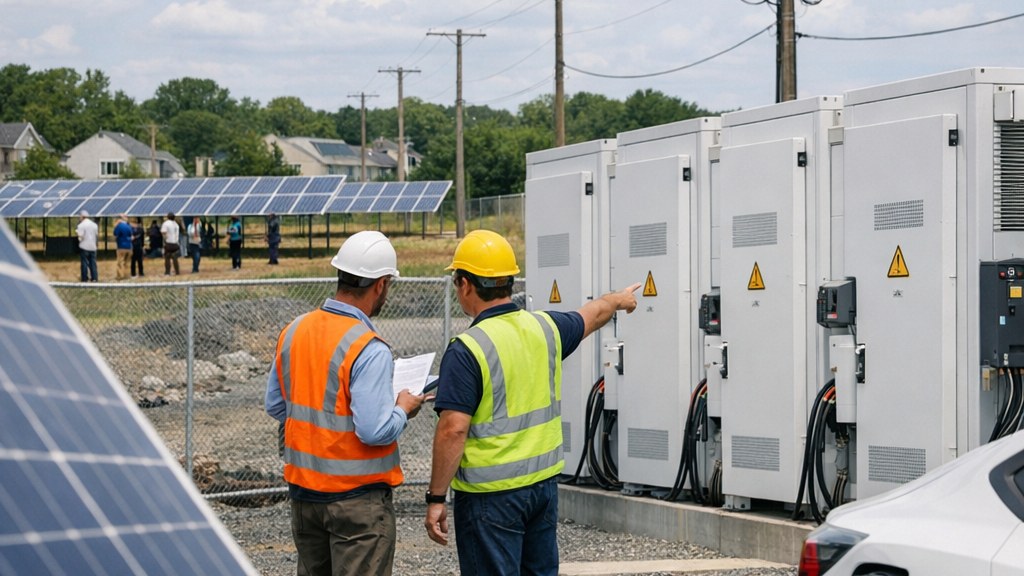
This points to a wider shift. A solar project that once sold daytime electricity may now sell firm capacity, evening power, grid balancing and backup service. Rooftop systems can also be paired with batteries, electric vehicles and smart devices.
These resources can be grouped into virtual power plants. In that model, many small systems are controlled as one flexible resource. Households or businesses may receive bill credits, payments or lower rates for letting batteries or appliances respond to grid needs.
## Tariffs and trust will decide the next phase
As solar grows, electricity tariffs become more important. Simple net-metering rules helped early rooftop markets by crediting exported solar power. But high solar penetration can shift grid costs and create periods of excess midday supply. Many markets are now moving toward time-of-use rates, export values that reflect grid conditions, and incentives for storage.
The central issue is balance. Solar markets need enough reward to attract investment. Power grids also need enough revenue to maintain wires, transformers and backup resources. Customers need simple offers they can understand.
The panel remains the visible symbol of solar power. The business model decides whether that panel becomes a stable investment, a fair customer product, and a useful part of the electricity system.
AI Perspective
The solar transition is entering a more practical stage. The main question is no longer whether panels can generate cheap electricity, but how that value is shared and managed. Good business models can make solar easier to finance, easier to use, and more helpful to the grid.


-134c72da.webp)


