[[[SUMMARY_START]]]
New research links stronger muscles with a lower risk of depression and several depression symptoms.
The clearest signal came from grip strength, a common marker of overall muscle strength.
The findings appeared stronger in women in one large genetic analysis, though other studies show mixed sex patterns.
Researchers say strength training may be useful, but it should not replace mental health care.
[[[SUMMARY_END]]]
Building and maintaining muscle strength may help reduce the risk of depression, especially among women, a growing body of research suggests. The evidence is still developing, but recent large studies point to a consistent link between stronger muscles and better mental health outcomes.
## What the latest research foundA recent genetic study examined whether physical fitness traits may influence depression. It used data from up to 341,326 adults of European ancestry, aged 37 to 73, and tested genetic markers linked to cardiorespiratory fitness and handgrip strength.
Handgrip strength is often used in health studies as a simple marker of overall muscle strength. It does not measure every part of the body, but it is easy to test and tends to reflect broader physical function.
The study found no clear evidence that genetically influenced cardiorespiratory fitness reduced depression risk. The result was different for grip strength. Greater genetically predicted grip strength was linked with lower odds of broad depression.
The same analysis also found links between stronger grip and lower odds of several symptoms measured through a standard depression questionnaire. These included appetite changes, loss of interest or pleasure, depressed mood, fatigue, slower or restless movement, and concentration problems.
The association was most clearly seen in women when the researchers separated the results by sex. The findings were also checked against data on major depressive disorder and showed a similar pattern.
## Why muscle strength may matter
The research does not prove that lifting weights directly prevents depression. It does, however, strengthen the case that muscle strength is more than a physical health marker.
Stronger muscles can make daily life easier. People with better strength may find it easier to walk, climb stairs, carry groceries, garden, care for family members, or stay socially active. These daily abilities can support independence and may reduce stress, isolation, and loss of confidence.
Strength training may also affect the body in ways that are relevant to mental health. Exercise can influence inflammation, sleep, metabolism, hormones, and brain chemicals involved in mood. Resistance exercise also gives people a clear way to track progress, which may support motivation and self-efficacy.
Still, depression is complex. Genetics, trauma, stress, chronic illness, sleep, social conditions, medication, and many other factors can play a role. Muscle strength is one possible piece of a much larger picture.
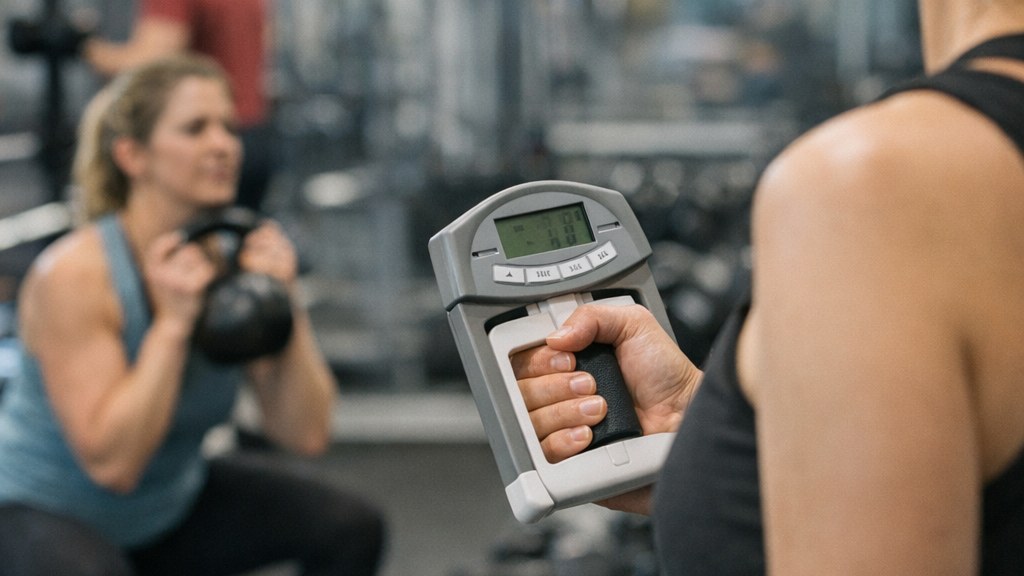
Other recent research also supports a link between weaker grip strength and later depression. A 2026 review of prospective cohort studies included 12 unique cohorts, 497,336 participants, and more than 3.4 million person-years of follow-up. It found that people with lower handgrip strength had higher odds of developing depressive outcomes.
The size of the association was statistically significant but clinically small. That means grip strength may help identify risk, but it is not a stand-alone predictor of who will or will not develop depression.
A separate study of older adults in China followed 2,016 people aged 60 and older for seven years. During that period, 571 new cases of depression were identified. People in the lowest grip-strength group had a higher risk of depression than those with stronger grip.
However, sex differences were not identical across studies. In the older Chinese cohort, the association was clearer in men, while the large genetic study showed stronger evidence in women. This difference suggests that age, population, health status, hormones, lifestyle, and study design may affect the results.
## What this means for everyday health
The findings support a practical message: preserving strength may be useful for both physical and mental health.
Strength-building activities can include lifting weights, using resistance bands, doing squats, push-ups, step-ups, or carrying heavier household items safely. For older adults or people with health conditions, supervised programs or advice from a health professional can reduce injury risk.
Major health guidelines already recommend muscle-strengthening activity for adults, usually at least two days a week, along with regular aerobic activity. The new research adds mental health as another possible reason to take strength seriously.
But strength training is not a substitute for treatment. People with persistent low mood, loss of interest, sleep changes, thoughts of self-harm, or trouble functioning should seek medical or mental health support. Exercise can be part of care, but depression often needs a wider plan.
The main takeaway is careful but encouraging. Stronger muscles may help protect mental health, and the signal may be especially important for women. More clinical trials are needed to test whether structured resistance training can directly reduce new depression or improve specific symptoms over time.
AI Perspective
This research fits a broader shift in health science: strength is being seen as part of whole-person resilience, not only as a fitness goal. The evidence is promising, but it should be read with care because association is not the same as proof of prevention. A balanced message is best: building strength is a low-cost habit that may support mood, function, and long-term health.


-134c72da.webp)


