[[[SUMMARY_START]]]
Political pressure is building in many countries as governments confront slower growth, trade tensions and voter anger.
A heavy election calendar in 2026 is adding to uncertainty in Europe, Asia and Latin America.
At the same time, protests, security worries and economic stress are testing how firmly many leaders still hold power.
[[[SUMMARY_END]]]
Political uncertainty is rising in many parts of the world as leaders face a difficult mix of elections, public frustration and weaker economic confidence. From Europe to Asia and Latin America, governments are under pressure from voters who are worried about prices, jobs, security and the direction of national politics.
The pressure is not coming from one single crisis. It is being driven by several forces at once: a busy election calendar, geopolitical tension, trade disputes, and slower global growth. Together, they are making politics less predictable and raising the stakes for leaders already facing narrow margins at home.
The broader setting has become less stable over the past year. International economic institutions have warned that trade tensions, policy shifts and geopolitical strains are increasing uncertainty and weighing on growth. That matters politically because slower growth and higher costs often leave governments with less room to calm public anger.
This uncertainty is not only financial. It is also political. Leaders in many countries are trying to govern in an atmosphere where voters are less patient, opposition groups are more energized, and policy choices can quickly trigger market or public backlash.
## Elections are becoming key stress points
A major reason for the current mood is the large number of important elections on the calendar. In Hungary, Prime Minister Viktor Orbán is facing one of the strongest challenges of his long time in power ahead of the April 12 parliamentary election. The contest has drawn attention well beyond Hungary because it could shape the country’s relations with the rest of Europe and test the strength of nationalist politics in the region.
In Bangladesh, a parliamentary election held on February 12 opened a new chapter after the upheaval that followed the 2024 uprising. Early results and post-election developments pointed to a major shift in the balance of power. The vote was closely watched because it followed a period of intense political confrontation and raised broader questions about democratic rebuilding and institutional trust.
Other countries are also moving toward consequential votes in 2026. Analysts and election watchers are paying close attention to races in places such as Colombia, Brazil, Armenia and Sweden, where domestic issues could combine with foreign policy pressures and economic concerns. In several cases, the outcome may influence not just national leadership but wider regional alignments.
## Public pressure is widening beyond the ballot box
Leaders are also facing pressure between elections, not only during them. Protests, anti-government movements and public fatigue with entrenched political systems have become a recurring feature in several countries. In some places, younger voters and new political movements are pushing hardest for change, arguing that established parties no longer reflect daily economic realities or public expectations.
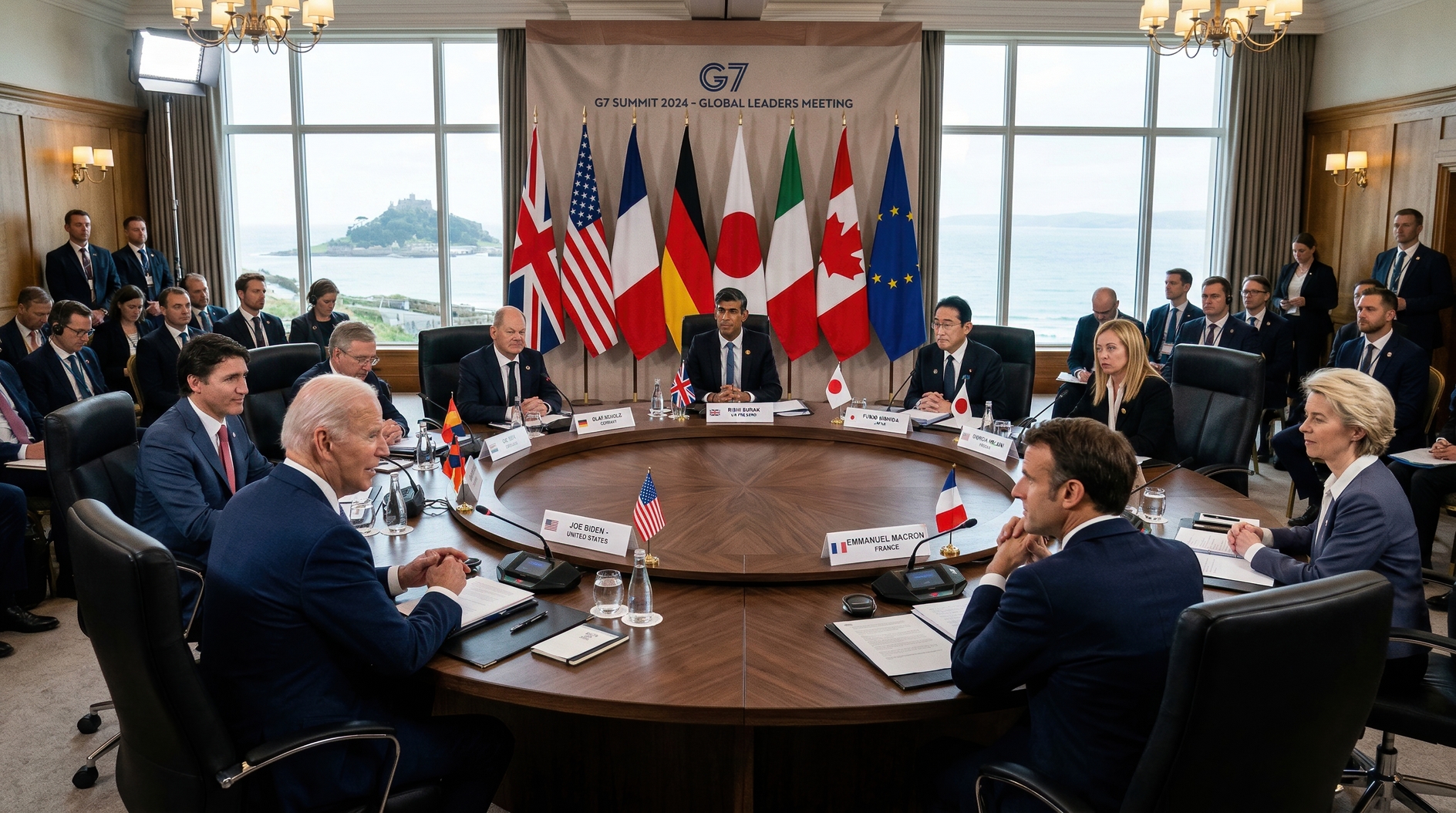
Pressure is also coming from outside national borders. Leaders must manage war risks, migration debates, energy concerns and trade disputes at the same time as local political fights. That creates a sense that even routine policy decisions now carry larger political costs.
## Trade disputes and weak growth add to the strain
Economic pressure remains one of the strongest drivers of political uncertainty. Recent global forecasts have pointed to slower growth in 2025 and 2026, with trade barriers and policy uncertainty among the main reasons. Governments are being forced to defend household incomes and business confidence while also responding to strategic competition between major powers.
This is especially difficult for middle-income and export-dependent countries. When trade rules shift quickly or tariffs rise, governments can face pressure from both workers and investors. The result is often a harsher political climate, with opposition parties blaming incumbents for problems that are partly global.
The challenge is even sharper where debt is high or public finances are already stretched. In those cases, leaders may have less capacity to offer subsidies, tax relief or major public spending before or after an election. That can deepen frustration and feed the idea that traditional parties have few answers left.
## A year of political testing
What links these different cases is not a single ideology or region, but a shared loss of certainty. Some leaders are under pressure because they have been in office a long time. Others are struggling because institutions are weak after crisis or transition. In both cases, the political environment is becoming harder to manage.
For now, the global picture is one of strain rather than collapse. Many governments remain in control, and elections are still offering peaceful paths to change. But the number of countries facing sharp political tests at the same time suggests that 2026 is becoming a year in which leadership, public trust and economic resilience will all be under close scrutiny.
AI Perspective
This story shows how politics and economics are now deeply tied together across borders. When growth slows and trust weakens, even stable governments can come under sudden pressure. The key takeaway is that uncertainty itself has become a major force in world politics.


-134c72da.webp)


-6c40e5ef.webp)