[[[SUMMARY_START]]]
Many traditions have not disappeared under modern life. They have changed shape and moved into new settings.
Rituals around food, festivals, music, crafts and community life still endure when they remain useful, social and adaptable.
Digital tools, schools and formal heritage programs are also helping older practices reach younger generations.
[[[SUMMARY_END]]]
Modern life has changed how people work, travel, eat and communicate. Yet many traditions still survive, not as museum pieces, but as living habits woven into daily life. Across countries and communities, the customs that endure are usually the ones that still bring people together, mark important moments, teach practical skills or express identity in ways that feel meaningful now.
The clearest sign that tradition is still alive is that it continues to be practiced, adapted and passed on. Cultural agencies describe living heritage not as something fixed in the past, but as knowledge, ritual and skill carried across generations while changing with time.That helps explain why some traditions remain strong even in cities and digital societies. They are often flexible. They can move from village squares to urban neighborhoods, from family kitchens to restaurants, from oral teaching to video tutorials, and from local festivals to global audiences.
## Food rituals remain part of modern family life
Food is one of the strongest examples. Traditional dishes matter, but the rituals around them often matter just as much. Shared meals, holiday cooking, wedding foods and seasonal recipes continue because they fit naturally into family life. They give people a reason to gather.
Recent international heritage decisions have highlighted this pattern. In Italy, recognition for Italian cooking traditions focused not only on recipes but also on social practices such as Sunday family meals and the passing of techniques from older to younger relatives. In Japan, sake brewing has also been recognized as part of a wider cultural tradition tied to ceremony, local knowledge and community identity.
These customs survive because they do more than preserve taste. They create routine, memory and belonging. Even when work schedules are busier and households are smaller, many families still keep at least a few symbolic meals that connect generations.
## Festivals and performance still bring communities together
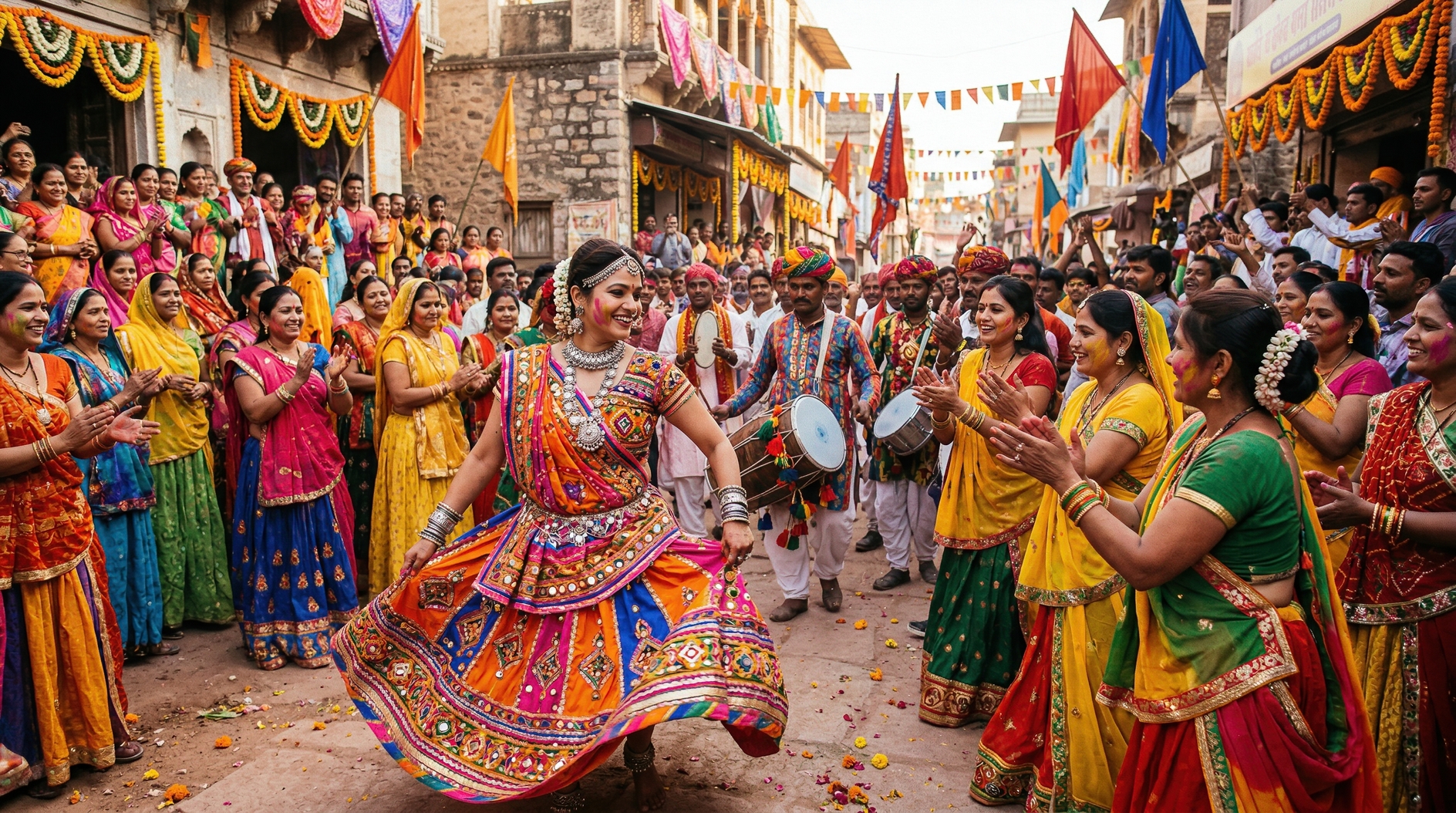
Public celebrations also endure when they serve a clear social purpose. Seasonal festivals, dances, chants and musical forms often survive because they gather people in one place and give a shared rhythm to the year.
Examples can be found across the world. UNESCO’s living heritage lists include practices as varied as yodeling in Switzerland, Byzantine chant, falconry, folk music traditions and local ritual arts. These customs are very different from one another, but they share one trait: they are not only performances for outsiders. They remain embedded in community life.
That is why many traditions can survive even after migration, tourism and urban growth reshape everyday life. A ceremony may be shortened. A dance may move from a rural setting to a city hall or school stage. Costumes, instruments or language may evolve. But if the event still helps a community celebrate, mourn, teach or remember, it usually keeps its place.
## Crafts survive when skills can still be learned and sold
Weaving, instrument making, hand embroidery, puppet arts and other skilled trades often depend on apprenticeship. A master teaches a younger person directly, sometimes within a family and sometimes through formal programs. That model remains central because many craft skills are hard to preserve in books alone.
In some places, heritage recognition has been used to support this transfer. Craft communities have also turned to festivals, design collaborations, tourism and online sales to keep their work relevant. Social media and digital archives now help artisans show process as well as product, making older skills easier for younger audiences to notice and respect.
## Digital tools are changing how tradition is passed on
Technology does not only compete with tradition. It can also help it survive. Cultural institutions are expanding digitization, documentation and education programs to preserve songs, archives, techniques and performances. Researchers and heritage groups are also experimenting with virtual reality, interactive systems and AI-supported tools for preservation and public learning.
Still, most experts stress the same point: recording a tradition is not the same as keeping it alive. A video can store a dance, but it cannot replace a community that still dances. A digital model can protect knowledge about a craft, but it cannot fully substitute for practice by hand.
That is why the strongest traditions are usually the ones that remain useful in real life. They help people celebrate milestones, raise children, express faith, maintain language, build social ties or earn a living.
## Why some traditions last
In the end, survival depends less on age than on function. Traditions endure when they still answer a human need. They last when people can adapt them without feeling that they have lost their meaning.
Modern life does not erase culture evenly. It filters it. Customs that are too rigid, too isolated from daily life or too difficult to pass on may weaken. But traditions that create community, identity and continuity often find new forms.
That is why tradition and modern life are not always opponents. In many places, they now work side by side. The old survives not by standing still, but by moving with the people who carry it.
AI Perspective
The most durable traditions are often the ones that still feel useful, social and emotionally real. Modern tools may change how they are shared, but people keep them alive through practice, not storage alone. The story is less about resisting change than about carrying meaning forward in new forms.


-134c72da.webp)


-6c40e5ef.webp)

-1d29b0b2.webp)
-2721737f.webp)
-55bf1fe2.webp)
-9f154954.webp)
-c76b662d.webp)
-d4c44132.webp)
-15e5ec18.webp)
-1eb7b76c.webp)
-standard-001-32820abf.webp)
-cc75401d.webp)
-a9af0d65.webp)
-1eb077c8.webp)
-b607d552.webp)
-3b9598a1.webp)
-08703c6c.webp)
-c39c930f.webp)