[[[SUMMARY_START]]]
Crises often damage lives, homes and heritage, but they also change how communities see themselves and how they live together. Across wars, disasters, migration and pandemics, societies adapt rituals, art, memory and public life. Those changes can be painful, but they often become part of a culture’s long-term resilience.
[[[SUMMARY_END]]]
When societies face crisis, culture does not simply pause. It changes. People adjust rituals, rebuild shared spaces, create new art, protect old traditions, and find fresh ways to express identity and solidarity.
These shifts can be seen after war, natural disaster, forced displacement, and public health emergencies. The details differ from place to place, but a common pattern appears across societies: crisis disrupts daily life, then culture helps people make sense of loss and recovery.
In conflicts and disasters, cultural life is often hit early and hard. Historic sites may be damaged. Museums, schools, theaters, and places of worship can close. Festivals may stop. Families may lose the time and stability needed to pass on language, songs, crafts, and customs.
Yet the same pressure can make culture feel more important. Shared stories, symbols, and practices often become anchors when normal life breaks down. In places affected by war, rebuilding a shrine, market, library, or old neighborhood can mean more than restoring bricks and stone. It can help restore identity, memory, and a sense of belonging.
This has been visible in post-conflict recovery efforts in cities such as Mosul and in other places where damaged heritage became tied to public healing. In these settings, reconstruction is not only physical. It is social and emotional as well.
## Different crises leave different cultural marks
Natural disasters often strengthen practical local knowledge. Communities exposed to floods, droughts, storms, or fires may rely more on oral history, seasonal customs, traditional building methods, and community-led care systems. In parts of southern Africa, work on resilience has highlighted how local cultural knowledge can guide adaptation, even when formal disaster planning remains weak.
Health emergencies shape culture in other ways. During the COVID-19 pandemic, many societies changed everyday behavior at remarkable speed. Greetings shifted away from touch in some places. Religious services moved online or were reorganized. Weddings, funerals, and mourning rituals were shortened, delayed, or redesigned. Masks became not only a health tool in many communities, but also a social signal tied to care, duty, and group responsibility.
In some societies, older beliefs and religious practices were not abandoned during the pandemic. Instead, they were adapted. Communities found ways to combine public health rules with familiar spiritual or cultural forms, showing that crisis often produces hybrid responses rather than a clean break with tradition.
## Displacement changes culture across borders
Forced displacement reshapes culture both for those who leave and for the places that receive them. Refugees and other displaced people often work hard to preserve language, food, music, dress, and memory while also adapting to new social rules. This can produce new mixed cultural forms, especially in cities where migrant and host communities interact closely.
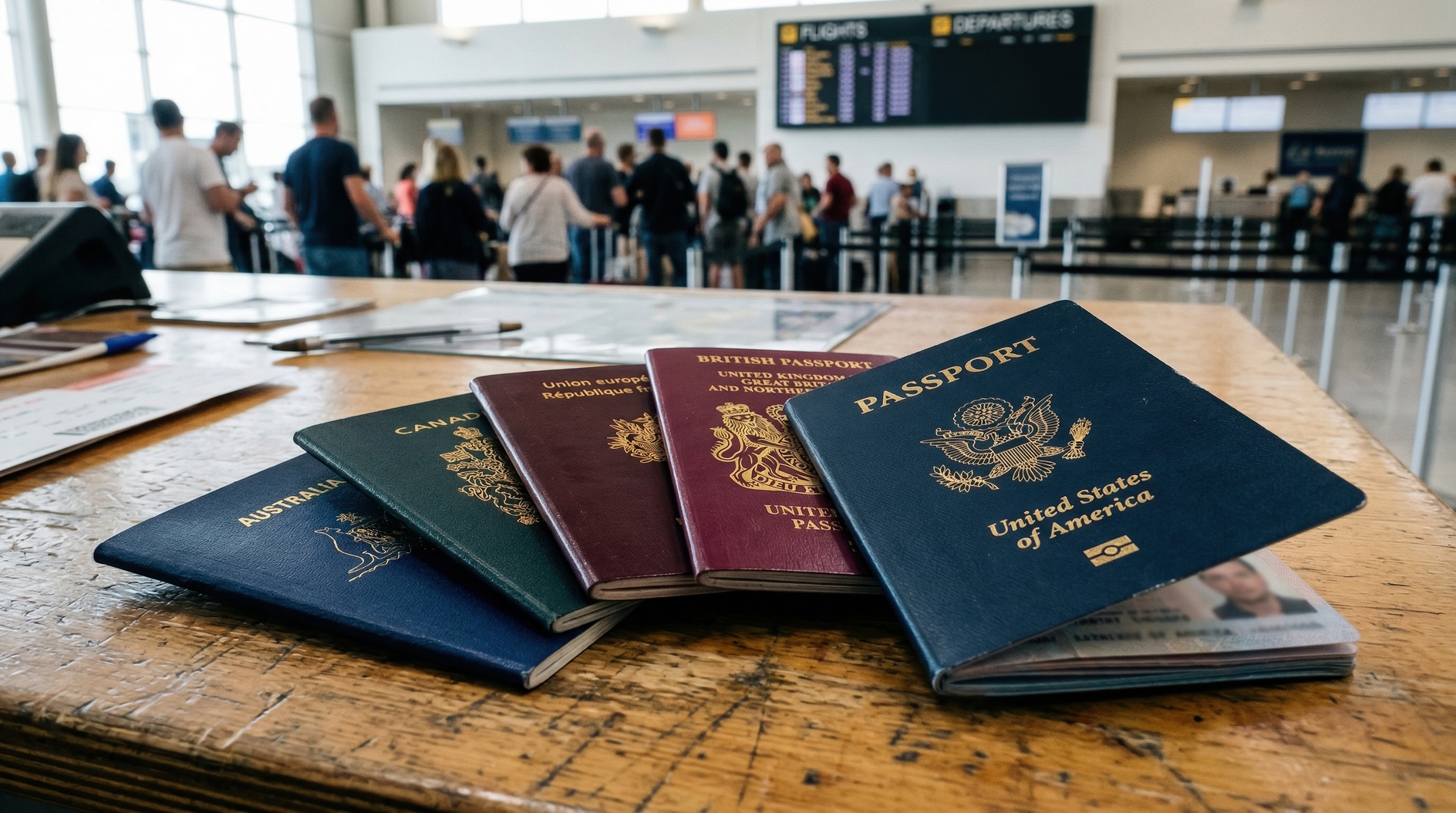
This means crisis does not simply erase culture. It can also move culture into new places and new formats. Songs travel. Recipes change. Languages absorb new words. Memory becomes portable.
## Art, memory and ritual often become tools of recovery
One of the clearest patterns across societies is that people use culture to process shock. Public memorials, anniversaries, storytelling, music, poetry, and community rituals can help people name what happened and decide what should be remembered.
This is especially important after collective trauma. A society may argue over which losses matter most, whose stories are told, and what should be rebuilt first. Cultural life becomes part of that debate. Museums, schools, artists, and local leaders can all influence whether a crisis is remembered mainly through grief, resistance, survival, or renewal.
Women also play a central role in this work, though their contributions are not always equally recognized in emergency planning and recovery. Current international work on culture and emergencies has drawn attention to the need for stronger inclusion and leadership for women across preparedness, response, and recovery.
## A long-term force, not a short-term reaction
The cultural effects of crisis often last far beyond the emergency itself. A disaster may change architecture for decades. A war may reshape public holidays, school lessons, and family stories for generations. A pandemic may permanently alter etiquette, work culture, worship, and ideas about public space.
Not every cultural change is positive. Crisis can harden divisions, deepen identity conflicts, and leave lasting inequality over whose heritage is protected and whose is ignored. But across many societies, culture remains one of the main ways people rebuild continuity after disruption.
That is why culture is increasingly treated not as an afterthought, but as part of resilience itself. In times of crisis, it helps communities hold on to meaning while adapting to a different future.
AI Perspective
Crisis often reveals that culture is not a luxury added after recovery. It is one of the ways people survive change, protect memory, and rebuild trust. Across very different societies, that makes culture both fragile and remarkably durable.


-134c72da.webp)


-6c40e5ef.webp)

-1d29b0b2.webp)
-2721737f.webp)
-55bf1fe2.webp)
-9f154954.webp)
-c76b662d.webp)
-d4c44132.webp)
-15e5ec18.webp)
-1eb7b76c.webp)
-standard-001-32820abf.webp)
-cc75401d.webp)
-a9af0d65.webp)
-1eb077c8.webp)
-b607d552.webp)