[[[SUMMARY_START]]]
The first great age of globalization grew from the late 19th century to 1913, linking economies through trade, finance, migration, and empire. It then broke apart under the shock of World War I and weakened further in the 1930s through protectionism, monetary strain, and political conflict. The clearest lesson is that economic integration alone does not create peace or stability. It survives only when countries also build political trust, rules, and institutions strong enough to protect it.
[[[SUMMARY_END]]]
The first modern wave of globalization did not end because people suddenly stopped trading. It ended because the political order around global markets failed. From the late 1800s to 1913, the world became more tightly connected through shipping, finance, migration, and expanding trade. But war, nationalism, financial stress, and new barriers broke that system apart.
## A highly connected world before 1914By the late 19th century, much of the world economy was becoming deeply integrated. Cheaper transport, wider use of the gold standard, and lower trade costs helped goods move across borders on a far larger scale than before. Capital also moved more freely, especially from major European financial centers into railways, infrastructure, mining, and government debt abroad.
Migration was another major part of that system. Millions of people crossed oceans in search of work and land, especially from Europe to the Americas and other settler economies. In many ways, the years before 1914 created a world market for goods, money, and labor that looked strikingly modern.
Yet that openness was uneven. Its gains were large, but they were not shared equally. Some regions grew richer and more connected. Others were pulled into global trade through empire, coercion, or dependence on a narrow set of exports. Farmers, workers, and local industries also faced sharp competitive pressure. That helped build political backlash even before the system collapsed.
## War shattered the system
World War I was the decisive break. Trade routes were disrupted. Financial markets froze. Governments took control of shipping, money, and strategic industries. Cross-border investment links that had seemed durable proved fragile when states moved onto a war footing.
This is one of the clearest lessons from the first collapse of globalization: economic interdependence did not stop major powers from going to war. Dense trade and investment ties were not enough to overcome nationalism, military rivalry, and imperial competition. When war began in 1914, many of the commercial links that had bound economies together fell apart with surprising speed.
The damage lasted well beyond the war itself. The world did not simply return to the pre-1914 order. Instead, countries entered a long period of instability, with disrupted finance, inflation, debt disputes, and repeated efforts to rebuild an international monetary system that no longer had a secure political foundation.
## The 1930s finished the breakdown
If 1914 cracked the first age of globalization, the 1930s largely finished its destruction. The global slump after 1929 pushed governments toward tariffs, quotas, exchange controls, and tighter management of trade and payments. World trade fell sharply as output declined and states tried to protect domestic economies.
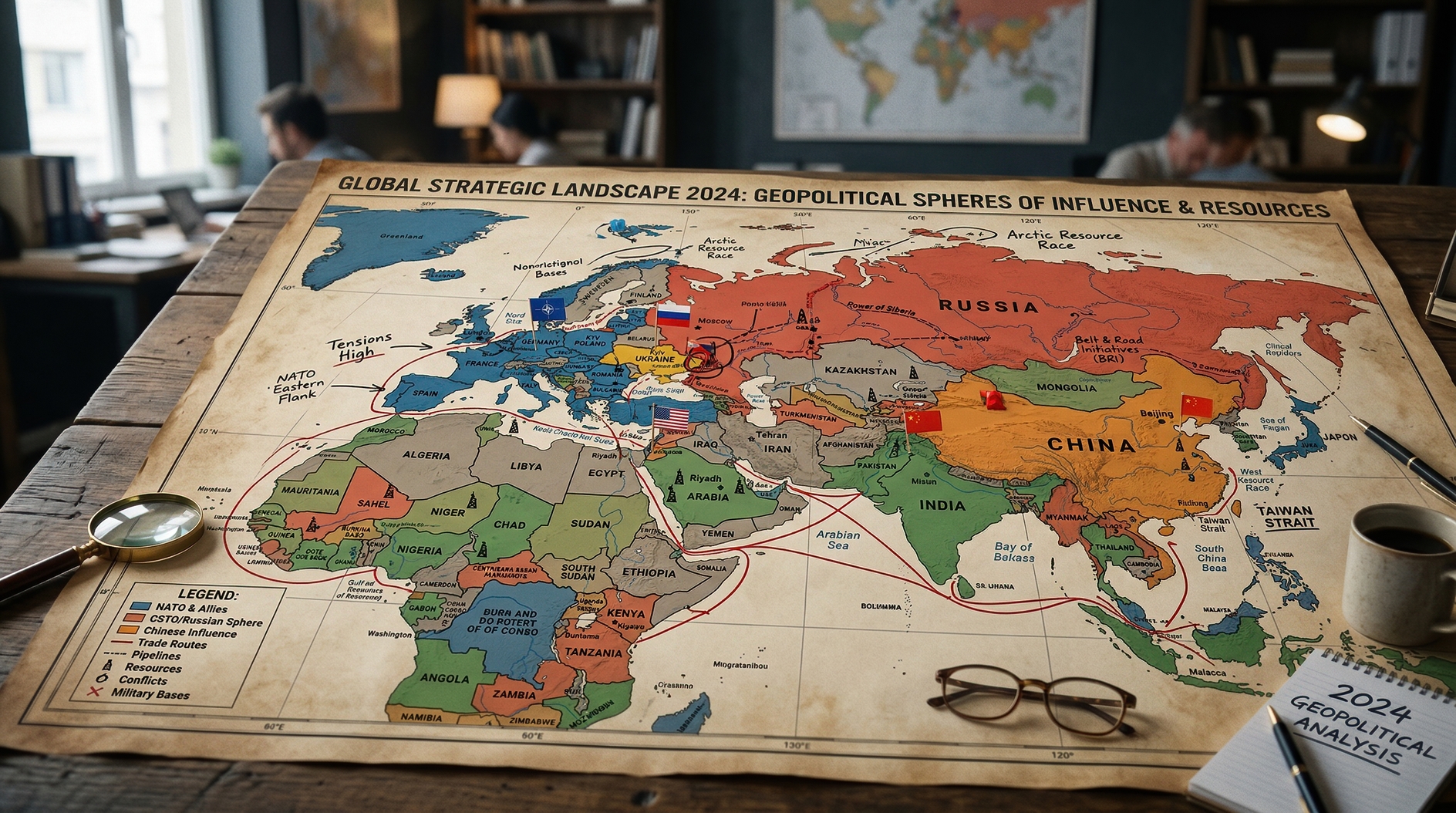
This period shows that globalization can fail in layers. It is not only war that breaks it. Financial rigidity, policy mistakes, and weak international coordination can also turn a shock into a prolonged retreat.
## The deeper lesson is political
The simplest reading of this history is not that globalization is always doomed. It is that markets alone cannot hold an international order together. Trade, capital flows, and business ties do not automatically produce peace. They also do not guarantee domestic support when citizens feel exposed, excluded, or insecure.
That helps explain why the post-1945 order proved more durable. It was built not just on reopening trade, but on rules, institutions, and state capacity. Governments accepted a larger role in stabilizing economies, managing social tensions, and creating frameworks for cooperation.
The first collapse also warns against romanticizing the pre-1914 era. That world was dynamic and innovative, but it was also unequal, imperial, and politically brittle. Its breakdown was not a mystery. It reflected unresolved tensions inside countries and between them.
## Why the history still resonates
Today, debates about supply chains, trade barriers, industrial policy, migration, and economic security often echo older arguments. The history of the first globalization suggests that openness is strongest when it is backed by resilient institutions and broad political legitimacy.
The central lesson is therefore less about trade itself than about the conditions that make open exchange sustainable. Global integration can expand prosperity. But if political trust erodes, if shocks are badly managed, or if states see strategic risk in dependence, that integration can unwind faster than it first appeared.
AI Perspective
This history is a reminder that economic ties are powerful, but they are not enough on their own. Open markets last longer when people believe the system is fair and when governments have ways to manage shocks. The fall of the first globalization was not only an economic event. It was a failure of political order.


-134c72da.webp)


-6c40e5ef.webp)