[[[SUMMARY_START]]]
More people are seeking a second passport or residence rights abroad as mobility, security and long-term planning become bigger concerns. The trend is being shaped by wealth migration, political uncertainty, tighter visa rules and a search for backup options. At the same time, governments are narrowing some investor schemes over concerns about housing, security and financial crime.
[[[SUMMARY_END]]]
A second passport was once seen mainly as a luxury for the ultra-rich or for families with clear ancestral ties abroad. That has changed.
Today, interest in second citizenship and alternative residence is broader, more visible and more politically sensitive. It is driven by several forces at once: easier global movement for some people, growing barriers for others, rising geopolitical risk, tax and business planning, and a simple desire for a fallback option in an uncertain world.
This trend sits inside a larger story of human movement. The global number of international migrants reached about 304 million in 2024, according to recent UN-based estimates. That does not mean all migrants seek new citizenship, but it does show a world in which cross-border lives are more common than before.
## More routes, more demand
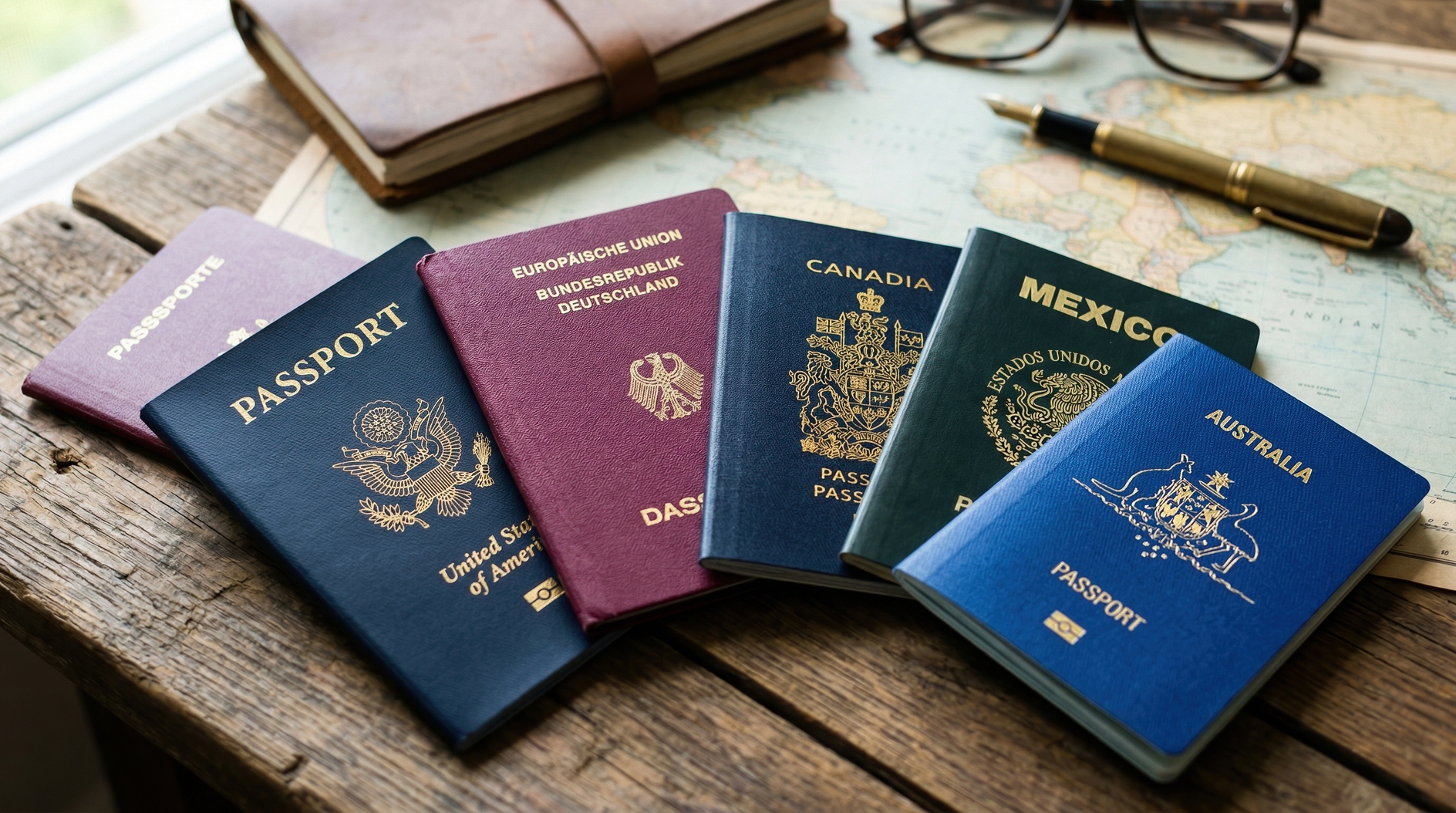
There is no single model for getting a second passport. Some people qualify through descent, marriage or long residence. Others gain permanent residence first and naturalize later. A smaller and more controversial group use investor migration programs, sometimes called golden visa or citizenship-by-investment schemes.
Demand for these options has risen in recent years. Private migration advisers say Americans were the single largest group applying through their investment migration channels in 2024, a sign that interest now extends well beyond citizens of countries with weak travel documents. Wealth migration is also climbing, with large numbers of high-net-worth individuals expected to relocate across borders in search of stability, education options and business access.
That helps explain why second passports now matter to entrepreneurs in Asia, retirees in North America, families in the Middle East, and diaspora communities in Africa and Latin America. In many cases, the goal is not immediate relocation. It is optionality.
## Why governments are getting stricter
As demand has grown, so has political backlash.
European governments have spent the past few years tightening or closing some investment routes. Spain ended its golden visa program in April 2025. Portugal had already removed real estate as a qualifying route for its main investor residence system. Greece still offers investor residence, but under stricter and more expensive rules in key areas.
The sharpest turning point came in April 2025, when the European Union’s top court ruled that Malta’s citizenship-by-investment program was illegal under EU law. The court said citizenship of a member state, and therefore EU citizenship, could not be treated as a commercial product.
That ruling was important far beyond Malta. It signaled that while residency-by-investment may survive in different forms, direct passport sales face far greater legal and political pressure, especially in Europe.
The criticism is not only moral or political. It is also practical.
International bodies have warned that some citizenship- and residency-by-investment schemes can be misused for tax evasion, hiding assets offshore or obscuring a person’s identity across jurisdictions. These risks do not apply to every applicant, but they have pushed governments and regulators toward tougher due diligence, more data sharing and, in some cases, outright closure.
Housing pressure is another issue. In parts of southern Europe, investor residence schemes became closely tied to property markets. Critics argued that foreign capital helped push up prices in already strained cities and coastal regions. That made these programs harder to defend politically during cost-of-living and housing crises.
## Why it still matters
Even with tighter rules, second passports and long-term residence rights are not going away.
In fact, the idea may become more important as global mobility becomes more unequal. Some passport holders can enter well over 180 destinations without a visa, while others face heavy restrictions. A second nationality can change access to travel, education, banking and business almost overnight.
It also matters for families facing instability. Conflict, sanctions, currency crises and sudden policy shifts can quickly turn legal status into a vital form of protection. For some people, especially those from fragile states, a second passport is less a lifestyle asset than a safety measure.
At the same time, the market is evolving. Instead of selling quick citizenship, more countries are leaning toward longer residence pathways tied to physical presence, tax residence, business activity or integration. That is slower, but it is often seen as more legitimate.
The result is a clear split. On one side is rising personal demand for mobility and security. On the other is rising state concern over fairness, sovereignty and abuse. The next phase of the second-passport era will likely be defined by that tension.
AI Perspective
The rise of second passports shows how people are trying to build resilience in a less predictable world. Mobility is becoming a form of security, not just convenience. The main challenge for governments will be balancing that demand with rules that are fair, credible and hard to abuse.


-134c72da.webp)


