[[[SUMMARY_START]]]
Orthodox Christians are preparing to celebrate Easter, or Pascha, on Sunday, April 12, 2026. The feast is the most important day in the Orthodox calendar and is shaped by Holy Week services, fasting, and midnight worship. Across churches and homes, old customs such as red eggs and candlelit processions continue, even as many communities adapt the celebration to modern life.
[[[SUMMARY_END]]]
Orthodox Christians in the United States and many other countries will celebrate Easter, also called Pascha, on Sunday, April 12, 2026. The feast marks the resurrection of Jesus Christ and stands at the center of the Orthodox Christian year. For many believers, it is both a deeply sacred moment and a living tradition that connects family, worship, and community across generations.
## A feast at the heart of the church yearIn Orthodox Christianity, Pascha is the most important feast of the year. It follows the long season of Great Lent and the solemn services of Holy Week. The journey moves from fasting and repentance toward the joy of the resurrection.
The date of Orthodox Easter is often different from the date observed by many Western churches because many Orthodox churches still calculate the feast according to the Julian calendar system used in their tradition. In 2026, Orthodox Easter falls on April 12.
Holy Week begins with Palm Sunday and continues through the final days before Easter. Services recall the last days of Jesus’ life, including the Last Supper, the Crucifixion, burial, and resurrection. In many parishes, attendance rises sharply during this period, especially on Holy Friday and at the midnight Pascha service.
## Symbols that remain widely recognized
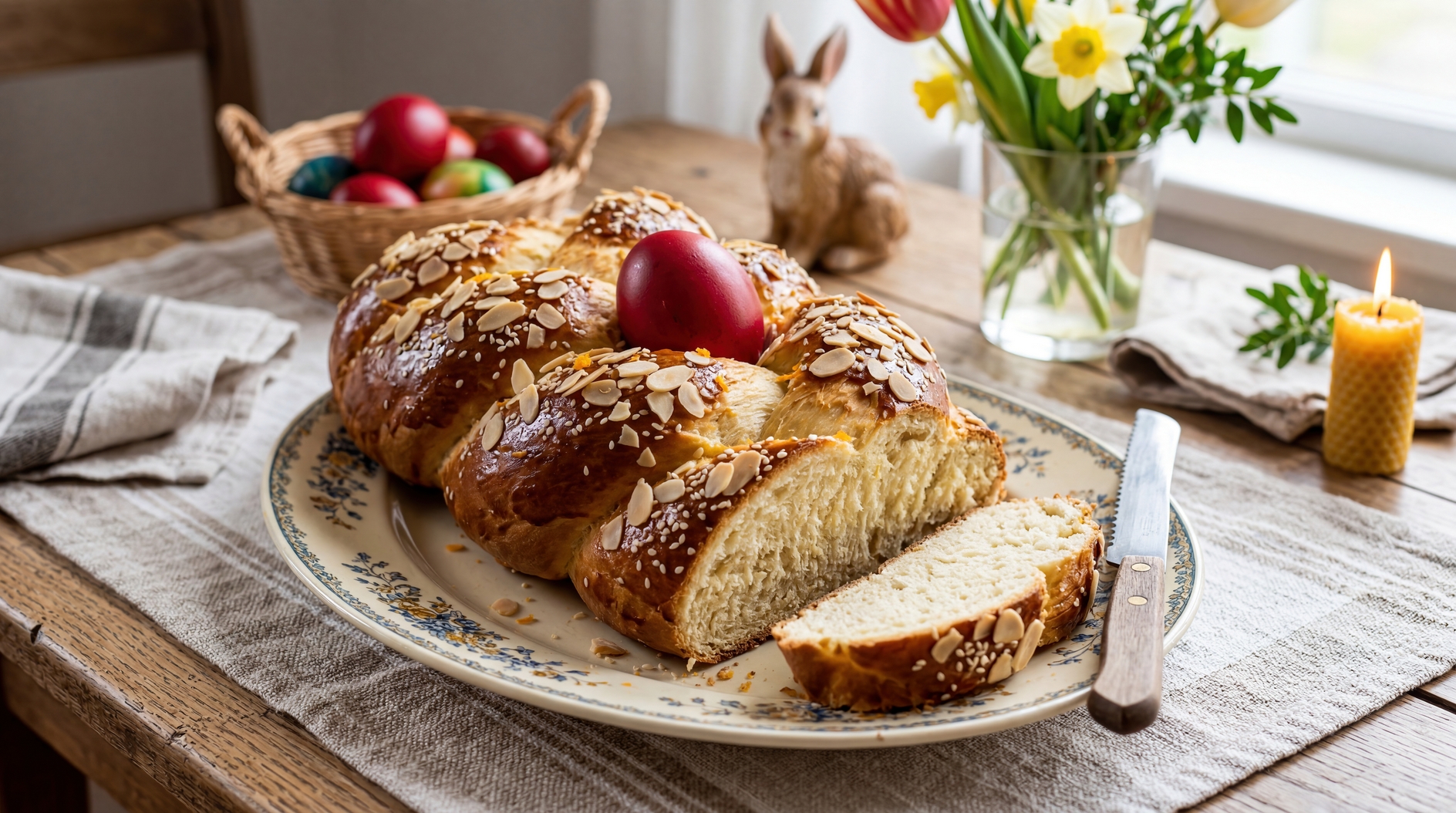
Some Easter customs are strongly associated with Orthodox life across national traditions. One of the best known is the red egg. In Orthodox practice, eggs are often dyed red as a symbol of life and of Christ’s blood shed on the cross. After the Pascha service or on Easter day, families often crack the eggs against one another in a simple ritual of greeting and celebration.
Another familiar element is candlelight. Late on Holy Saturday, churches are usually darkened before the resurrection proclamation. Worshippers then light candles, and the flame spreads through the congregation. In many places, the service continues with a procession and the singing of resurrection hymns just after midnight.
Jerusalem also remains important to many Orthodox believers during Easter. The Holy Fire ceremony at the Church of the Holy Sepulchre on Holy Saturday is followed closely in parts of the Orthodox world and is treated by many as a powerful sign linked to the feast.
## Faith in a modern setting
Digital tools have also changed how the season is experienced. Churches commonly share Holy Week schedules online, stream services for people who are elderly or traveling, and post educational material explaining the meaning of the fast and the feast. These changes do not replace in-person worship, but they help wider communities remain connected.
Modern life has also shaped fasting and family practice. Not every believer follows the full traditional fast in the same way, and clergy often speak about fasting as a discipline that should be joined to prayer, mercy, and spiritual reflection rather than reduced to diet alone. In many homes, Easter preparation includes both religious observance and familiar seasonal tasks such as baking festive breads, preparing lamb or other holiday foods, and gathering extended family.
## A celebration shared in public and private life
Orthodox Easter is not a public holiday in the United States, but it remains an important cultural and religious occasion for many families. In cities with large Orthodox populations, churches often become gathering points not only for worship but also for charity drives, community meals, and intergenerational events.
The feast also carries a wider message that reaches beyond church walls. In a period marked by war, migration, economic pressure, and social isolation in many parts of the world, the language of resurrection, renewal, and hope continues to speak to believers in direct and practical ways.
That helps explain why Pascha remains powerful in modern society. Its forms are old, but its emotional force is present-tense. A candle passed from one person to another, a packed midnight church, and a family table after weeks of fasting still give the feast a place in everyday life.
For Orthodox Christians, Easter is not only a commemoration of a past event. It is meant to be lived as a present reality: sorrow giving way to joy, darkness to light, and death to life.
AI Perspective
Orthodox Easter shows how a very old religious tradition can remain vivid in a fast-changing world. Its strength seems to come from shared ritual, clear meaning, and the way it brings communities together in person. In that sense, Pascha is both a spiritual feast and a reminder that continuity still matters in modern life.


-134c72da.webp)


-6c40e5ef.webp)