[[[SUMMARY_START]]]
After years of rapid digitization, consumers are showing a stronger appetite for in-person experiences. Travel, live events and physical retail are all seeing renewed interest, even as digital tools remain central to how people discover, book and share those activities.
The shift is not a rejection of technology. It is a move toward blending online convenience with offline connection, touch, presence and community.
[[[SUMMARY_END]]]
Digital life still shapes how people work, shop and socialize. But across travel, retail, entertainment and work, there are growing signs that people want more time in real places with real people.
Recent surveys and industry data point to a broad return to physical experiences. International tourism has fully recovered and moved above pre-pandemic levels. Retailers are investing more in stores as places to try, learn and gather. Event organizers are seeing strong interest from younger adults who say in-person experiences matter more than digital ones.
The pattern suggests a new balance is taking shape. Technology is not fading. Instead, it is becoming the tool that helps people find and organize experiences they increasingly want to have offline.
That shift is still real. Online services remain essential, and digital discovery now drives many consumer decisions. But in 2025 and early 2026, another trend has become harder to ignore: people are putting more value on being physically present.
## Travel and events lead the shift
Travel offers one of the clearest signs. Global tourism recovered fully in 2024 and kept growing in 2025, with international arrivals moving above 2019 levels. That rebound points to steady demand for experiences that cannot be downloaded or simulated.
Live events show a similar pattern. Industry studies on gatherings and business events found that face-to-face settings still carry a level of trust, attention and emotional impact that digital formats struggle to match. For younger consumers in particular, events are becoming less about posting a perfect image and more about spending time with friends, learning skills or simply being part of a room.
This helps explain the rise of small, tactile activities that might once have seemed old-fashioned. Craft circles, cooking workshops, book clubs, hobby nights and local pop-ups are drawing new interest, especially among younger adults who grew up online. For many, these events offer a break from constant feeds and a way to form connections that feel less filtered.
## Stores are becoming places, not just channels
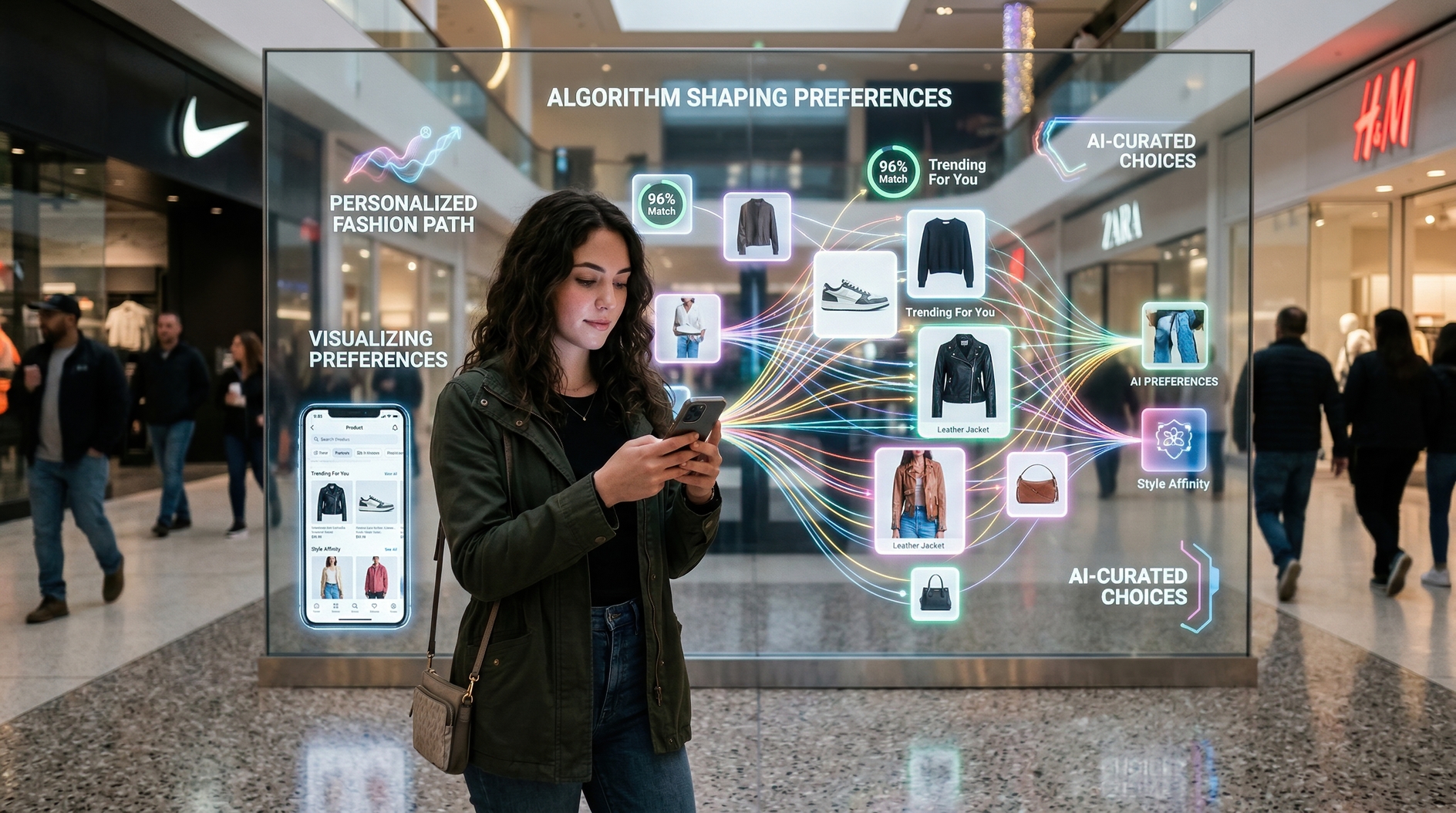
Retail is also changing. E-commerce continues to grow, but stores are no longer treated only as points of sale. Many brands now use them as spaces for demonstrations, community events, expert advice and quick pickup.
Consumer surveys show that physical shopping still matters because people want to touch products, compare them in person and get help with expensive or unfamiliar purchases. Younger shoppers, often seen as fully digital, are also active users of stores when the visit offers something useful or enjoyable.
This has encouraged more experiential retail. Shops are adding cafes, classes, beauty services, limited-run events and interactive displays. The goal is not to reverse digital shopping, but to give customers a reason to show up.
## Work and social life are finding a middle ground
The same tension appears in work. Remote tools made flexible work possible at scale, and hybrid work remains popular. Yet surveys suggest some younger workers want more time with colleagues in person, partly for mentoring, social contact and professional growth.
That does not mean a full return to old office habits. It means the limits of all-digital life are clearer now. Video meetings can keep teams moving, but they do not always create belonging. Group chats can maintain contact, but they do not always ease loneliness.
Broader social research points in the same direction. Many young adults describe strong digital connectivity alongside high levels of isolation. In that setting, real-world experiences carry new weight because they offer attention, touch, place and shared memory.
## Technology still shapes the comeback
The return of physical experience is happening through technology as much as against it. People use apps to book restaurants, buy tickets, join clubs, find nearby events and invite friends. Stores use data and mobile tools to connect online browsing with in-store service. Travel depends on digital search, payment and navigation.
So the comeback is not anti-tech. It is better understood as a correction to a period when digital convenience often outran human needs. After years of optimization, many consumers appear to be asking a simpler question: what is worth leaving the house for?
The answers are becoming clearer. A concert with friends. A class with strangers. A trip that breaks routine. A shop where someone can explain a product face to face. A workplace that offers real collaboration instead of endless calls.
In a digital age, those experiences can feel more valuable precisely because they are limited, local and fully real.
AI Perspective
The strongest technology trends are not always about replacing real life. Sometimes they reveal what people miss and push them back toward it. The next phase may belong to businesses that use digital tools well but design for human presence, trust and shared experience.


-134c72da.webp)


-6c40e5ef.webp)