[[[SUMMARY_START]]]
Everyday prices are not moving in the same way. Housing remains the biggest pressure point for many households, while food and energy are shifting for different reasons.
Recent U.S. data show rent still taking a large share of spending, restaurant prices rising faster than grocery prices, and gasoline staying volatile.
The final price of daily essentials reflects labor, transport, insurance, rent, raw materials, and supply shocks as much as the item itself.
[[[SUMMARY_END]]]
The price on a store shelf or a monthly bill often looks simple. In reality, it is a bundle of many costs layered together over time.
Recent U.S. data show why everyday prices can feel stubborn even when overall inflation is lower than it was at its peak. Housing still absorbs the largest share of household spending. Food prices continue to rise, but grocery and restaurant costs are moving at different speeds. Energy prices can swing sharply from month to month and quickly change what families pay to drive, heat homes, and move goods across the country.
A carton of food, a tank of gas, or a rent payment includes the cost of labor, transport, buildings, insurance, financing, packaging, utilities, and business overhead. In many cases, the biggest part of the final bill is not the raw product. It is the system around it.
In the latest annual Consumer Expenditure data, the average U.S. household spent $78,535 in 2024. Housing was the largest category at $26,266. Transportation was next at $13,318, followed by personal insurance and pensions at $9,797. That helps explain why many households feel squeezed even when some headline prices cool: the biggest bills are the ones that are hardest to avoid.
## Housing is still the center of the budget
Housing remains the clearest example of what people are really paying for. A monthly rent check does not just cover walls and a roof. It also reflects land values, construction costs, property taxes, maintenance, utilities in some cases, insurance, repairs, and financing.
Official inflation data show shelter is still one of the largest drivers inside the consumer price index. In March 2026, the shelter index rose 0.3 percent from the previous month and was up 3.0 percent from a year earlier. The rent index rose 0.2 percent in the month, while owners’ equivalent rent also rose 0.3 percent.
For many households, that matters more than the price of any single grocery item. Even modest monthly increases in rent or housing-related costs can outweigh savings elsewhere.
## Food prices reflect more than farm costs
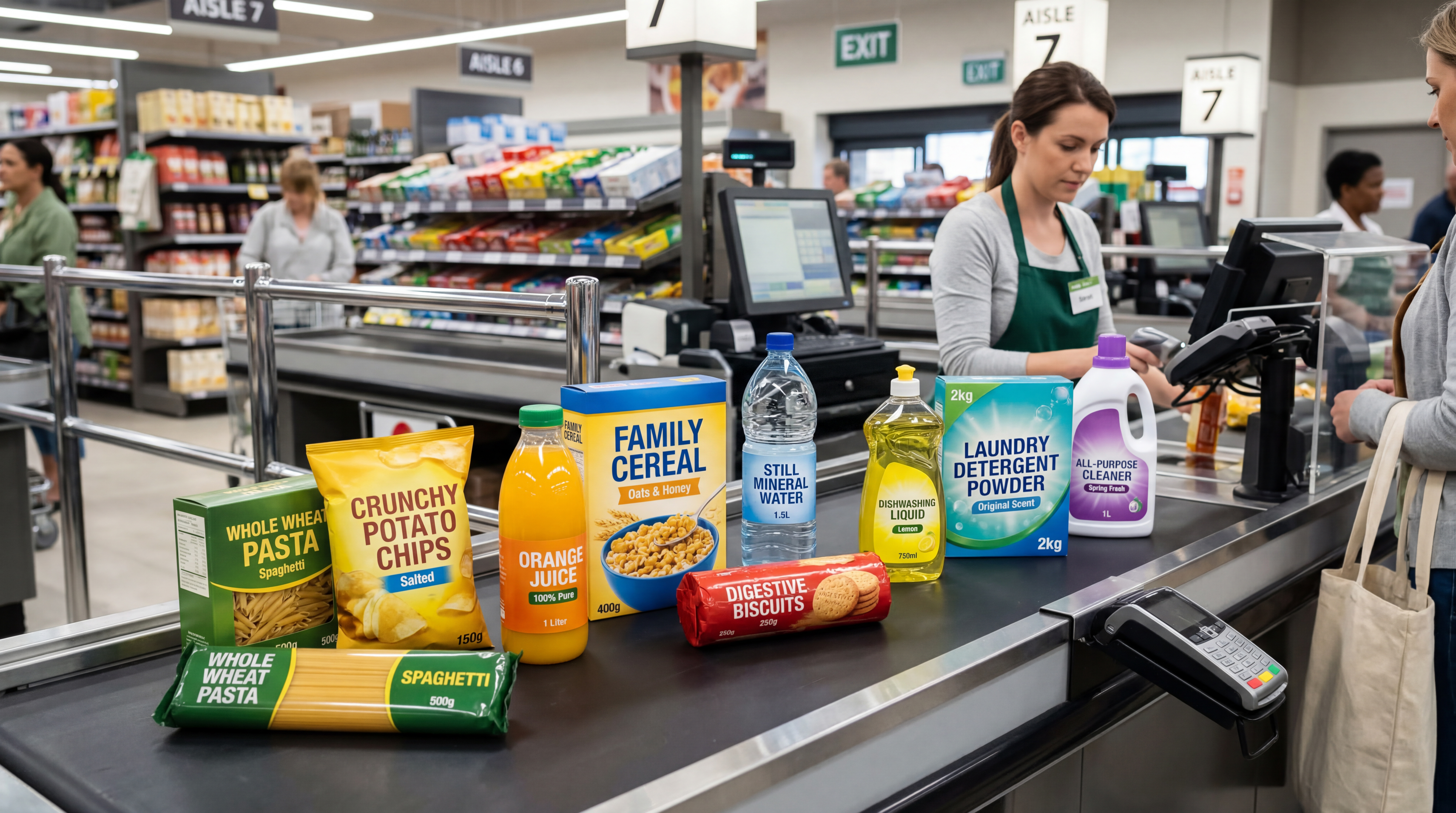
Food prices show how long a supply chain can be. Shoppers are not only paying for crops or livestock. They are also paying for processing, storage, refrigeration, transport, store labor, packaging, and waste.
The latest food outlook shows food prices in February 2026 were 3.1 percent higher than a year earlier. But the increase was uneven. Grocery prices, or food at home, were up 2.4 percent. Food away from home, including restaurant meals and other food service, was up 3.9 percent.
That gap highlights an important truth about everyday prices. Restaurant bills depend heavily on wages, rent, and operating costs. Grocery prices are affected more directly by commodity markets, weather, and farm output, though they also carry large distribution costs.
## Energy prices can change fast and spread through the economy
Fuel is a direct household expense, but it is also built into the price of many other goods and services. When fuel rises, the cost of trucking, delivery, air travel, and home energy can rise with it.
That volatility was clear in March 2026. The energy index jumped 10.9 percent in one month, and the gasoline index rose 21.2 percent on a seasonally adjusted basis. Over 12 months, gasoline prices were up 18.9 percent.
Even so, longer-term projections still point to a lower average U.S. regular gasoline price in 2026 than in 2025, largely because of lower expected crude oil prices. That shows the split between short-term shocks and annual averages. Families feel the weekly spike first, even if the full-year average later looks calmer.
## The final price often comes from services, not goods
Many households still think of inflation mainly as the price of products. But the data increasingly show the pressure coming from services and recurring expenses.
Housing, insurance, repairs, health care, child care, dining out, and transport services are less visible than a single sticker price, but they shape household budgets more deeply. In the 2024 spending data, vehicle insurance rose sharply, and housing spending increased again. Those are not optional purchases for many families.
That is why the “truth” behind everyday prices is often plain but easy to miss: consumers are paying for labor-intensive systems, not just physical items. A loaf of bread includes the baker, the truck, the warehouse, the store lease, the cash register software, and the electricity bill. A rent payment includes the cost of financing and maintaining housing stock in a tight market.
As inflation slows in some areas and flares up in others, the main pressure on households remains concentrated in essentials. The price tag may sit on one product. The real bill usually covers an entire chain of costs behind it.
AI Perspective
This topic matters because people experience the economy through routine bills, not abstract averages. When housing, transport, and food service costs stay high, families can still feel under pressure even if broader inflation is easing. Looking at what sits behind the final price helps explain that gap between official data and daily life.


-134c72da.webp)


