[[[SUMMARY_START]]]
Modern life depends on networks most people rarely see. Undersea cables, power grids, payment rails, shipping systems and precise timing services quietly support communication, trade and daily routines.
These systems work best when they are unnoticed. But growing demand, climate pressure and rising security risks are making their reliability more important than ever.
[[[SUMMARY_END]]]
Much of the modern world runs on systems that stay out of sight.
They sit under oceans, behind walls, inside control rooms and in the background of a phone tap or card payment. Most people notice them only when something breaks. Yet these hidden networks help keep food moving, money flowing, lights on and digital life connected.
That hidden web is now widely treated as essential infrastructure. Damage to a cable can slow services, reroute traffic and expose how concentrated some global connections have become. The cable system is vast, but it is not abstract. It relies on landing stations, repair ships, energy supply, maintenance teams and international coordination.
## The grids behind everyday life
Electricity is another invisible foundation. Homes, hospitals, factories, rail networks and water systems all depend on grids that must balance supply and demand every second. In many countries, grid planners are now facing a harder task as electricity use rises and weather risks grow.
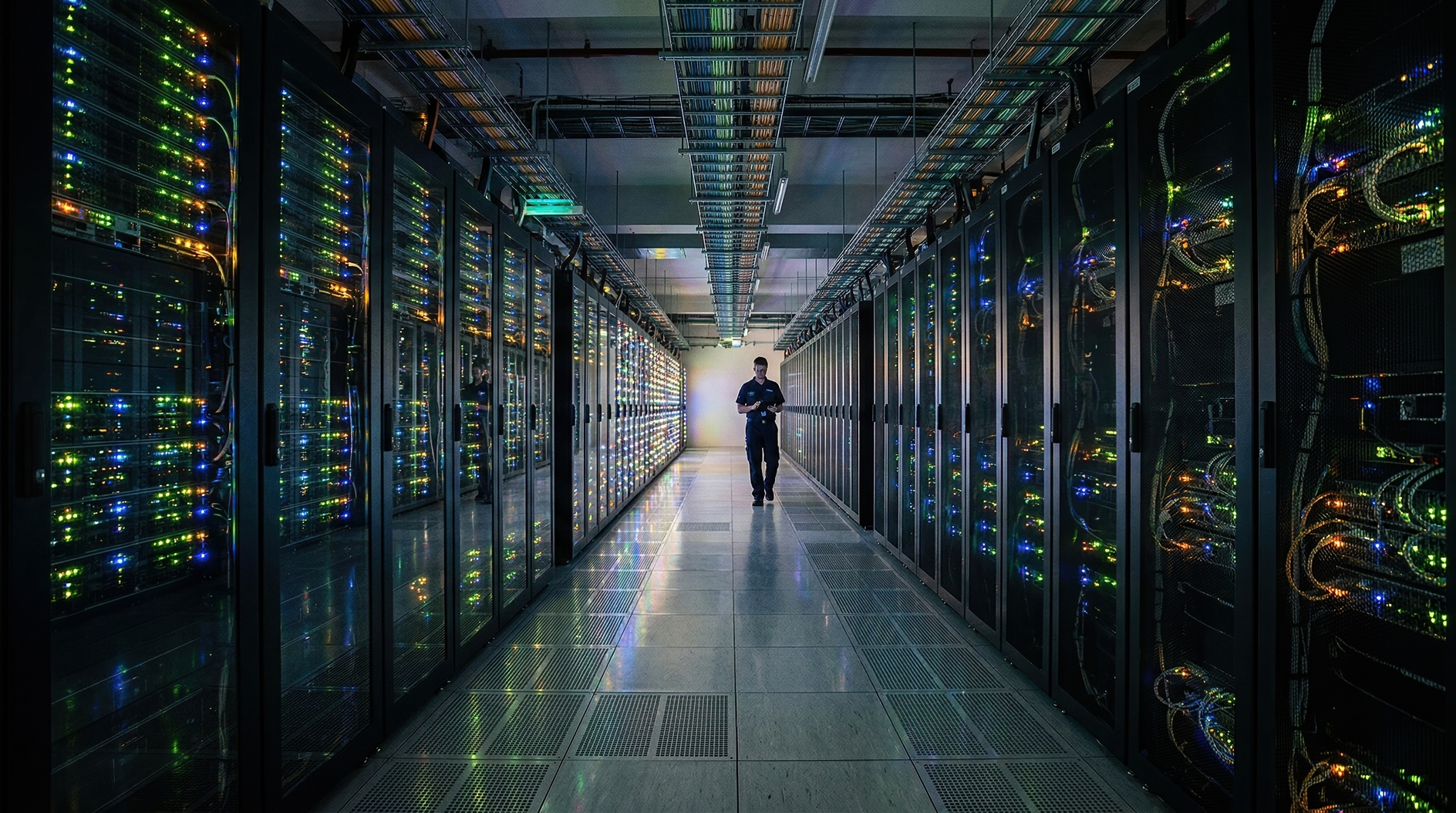
The pressure is also coming from the digital economy itself. Data centers, which support cloud computing, streaming and artificial intelligence tools, are using more power and becoming a larger part of electricity demand. That has made transmission lines, substations and grid software more important than ever. These pieces are rarely seen by the public, but they shape how reliably energy reaches homes and businesses.
A stronger grid is not only about keeping the lights on. It also helps protect transport, communications, health care and industrial production. If power fails at scale, many other systems fail with it.
## Timing, payments and the hidden clock
Some of the most important systems are almost impossible to notice at all. One example is positioning, navigation and timing services, including GPS-based timing. Many people think of GPS as a map tool for drivers and phones. But timing signals are also used in power grids, telecom networks and parts of the financial system.
Precise timing helps operators detect faults, synchronize networks and process transactions in the right order. That makes timing a quiet but critical layer beneath visible services. If it is disrupted, the effects can spread far beyond navigation.
Payments are another background system that most people see only at the surface. A tap of a card, a payroll deposit or a transfer between banks may look instant and simple. Behind that moment are clearing, settlement and messaging systems designed to move money safely and at very large scale.
## The machinery of global trade
Global trade also depends on hidden coordination. Maritime transport carries more than 80% of traded goods by volume. That includes energy, food, raw materials, industrial inputs and consumer products. Ports, shipping lanes, cranes, customs systems, warehouse software and trucking links form a chain that is easy to overlook when store shelves are full.
Even a single shipment may depend on many invisible layers at once: a booking platform, port scheduling software, fuel supply, satellite and cable communications, customs data, insurance processing and local electricity. When one link weakens, costs can rise quickly and delays can spread through supply chains.
Recent years have shown how fragile these systems can be under war risk, drought, storms, congestion or cyber threats. At the same time, trade networks are adapting through rerouted shipping lanes, more digital tracking and new efforts to improve resilience.
## Why hidden systems matter more now
The systems that keep the world running are becoming harder to separate from one another. Data centers need power. Power grids use timing. Payments need telecom networks. Shipping relies on digital links, fuel logistics and functioning ports. This interdependence makes modern life efficient, but it can also make shocks travel faster.
That is why resilience is becoming a central goal. Governments, utilities, banks, telecom operators and transport firms are investing more in backup capacity, cyber defense, grid upgrades, cable protection and emergency planning. The aim is simple: keep essential services working even when one part of the system is under stress.
The paradox is that success often looks like nothing at all. No headlines. No outage. No delay at checkout. No interruption in a video call. The better these invisible systems work, the less people think about them.
AI Perspective
This topic is a reminder that modern life depends on layers of coordination that are easy to miss. The systems are technical, but their purpose is human: to keep daily life stable, connected and predictable. As the world becomes more digital and more electrified, caring for these quiet foundations will matter even more.


-134c72da.webp)


