[[[SUMMARY_START]]]
More people are changing everyday plans because of heat, floods, storms and wildfire risk. Phones, forecasts and pricing tools now shape when they travel, shop, work and use electricity. The shift shows how extreme weather is moving from a seasonal concern into a daily factor in modern life.
[[[SUMMARY_END]]]
Extreme weather is no longer just a background risk. It is becoming part of ordinary decision-making.
A heat warning can change commuting plans. A storm alert can push families to buy groceries early. A wildfire threat can affect whether people leave home, charge devices, or cancel deliveries. In many places, technology is helping people react faster. It is also making the influence of weather more visible in daily life.
For many people, the first signal now comes from a phone. Wireless emergency alerts, weather apps and map tools can warn about tornadoes, flash floods, extreme heat or dangerous travel conditions within minutes. That means decisions that once felt spontaneous are increasingly tied to forecast windows.
People are checking radar before a school run, delaying errands until after a thunderstorm line passes, or leaving work earlier when a heat advisory raises concern about power demand and traffic. In flood-prone areas, the difference of a few hours can matter. In fire-prone regions, a red flag warning can turn a normal day into one focused on evacuation routes, air quality and backup power.
This shift is also changing what preparedness looks like. A weather radio, a charged battery pack and app notifications now sit beside older habits like keeping bottled water and flashlights at home.
## Technology is turning forecasts into personal choices
The technology behind weather planning is getting more detailed. Forecast systems are improving at neighborhood-level rainfall, flood risk and heat outlooks. New artificial intelligence tools are also being tested to sharpen flash-flood forecasting and help officials identify where impacts may hit fastest.
That does not mean perfect prediction. Local conditions still change quickly, and the most serious events can outrun the model. But better warnings are already affecting behavior. People can choose to move a drive, postpone outdoor exercise, work from home, or avoid roads that often flood.
Businesses are making the same calculations. Utilities use weather models to prepare for heat-driven demand spikes and storm damage. Delivery networks and stores adjust staffing and supply plans when a winter storm or hurricane warning approaches. Schools and offices increasingly make closure or remote-work decisions earlier than they once did because forecast confidence arrives sooner.
## Shopping, commuting and home life are changing
Some of the clearest changes show up in familiar routines.
Grocery shopping often surges before major winter storms, hurricanes and extreme cold. Stores in threatened areas regularly see runs on water, bread, batteries, shelf-stable food, ice melt and propane. The pattern is old, but digital tools now speed it up. People can see warnings in real time, compare store inventories, order ahead, or switch to delivery earlier.
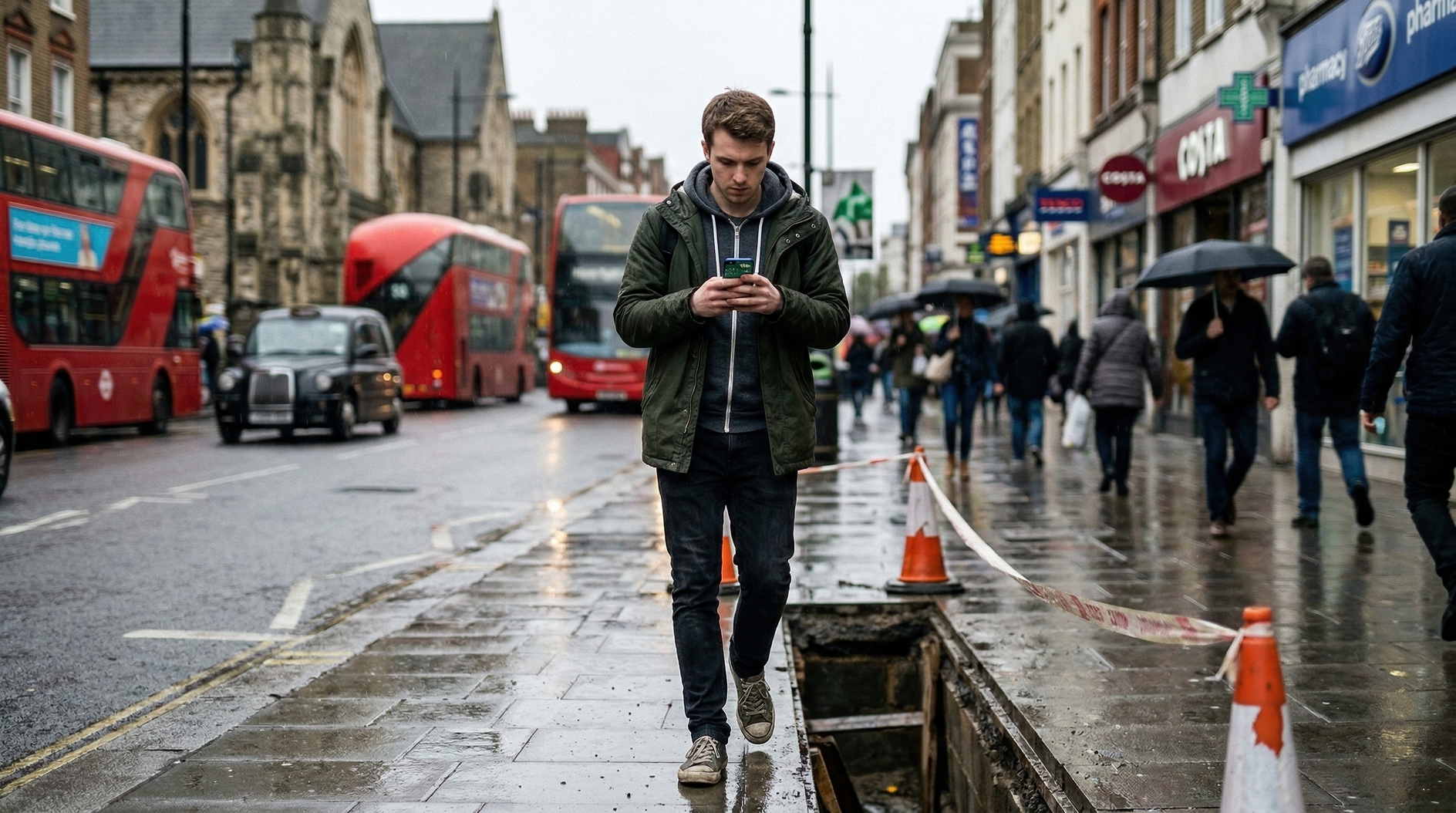
At home, extreme weather is shaping electricity use. During heat waves and cold snaps, households are paying closer attention to thermostat settings, appliance use and backup charging. Reliability officials have warned that some regions face higher outage risk when extreme conditions drive up demand or strain infrastructure. That makes simple choices feel more urgent: charge the phone now, run laundry later, fill the car before the storm, keep cash on hand.
## Money decisions are starting to shift as well
Weather is also moving into bigger household calculations. Insurance costs are rising in many high-risk areas, and flood coverage remains limited. Standard homeowners policies usually do not cover flood losses, which has made flood insurance an increasingly important question for buyers and owners in exposed places.
Federal analysis has found that premiums in higher climate-risk ZIP codes are markedly above those in lower-risk areas. At the same time, only a small share of homeowners carry flood insurance nationwide. That gap means weather decisions are not only about whether to go out today. They are also about where people buy homes, how much risk they accept, and what protection they can still afford.
These pressures are uneven. A family with flexible work, savings and multiple transport options can adapt more easily than someone whose job requires travel, outdoor labor or shift work. So while weather is affecting more people, it does not affect them equally.
## A daily habit, not a rare exception
The broader change is cultural as much as technical. Extreme weather is starting to shape ordinary judgment in the same way traffic, prices and calendars do.
That is visible in small choices: bringing medication inside before a heat spike, avoiding an afternoon train during flood risk, canceling youth sports because of air quality, or shopping one day early because ice is expected overnight. None of these decisions alone seems dramatic. Together they show a new pattern.
Extreme weather is becoming a daily planning variable. Technology has not removed the danger. But it has made the risks easier to see, and harder to ignore.
AI Perspective
The main change is not only that weather is getting more disruptive, but that people now respond to it in real time. Phones, forecasts and digital services are pulling climate risk into ordinary decisions that used to feel routine. That makes extreme weather less distant and more personal, even on otherwise normal days.


-134c72da.webp)


-6c40e5ef.webp)

-1d29b0b2.webp)
-2721737f.webp)
-55bf1fe2.webp)
-9f154954.webp)
-c76b662d.webp)
-d4c44132.webp)
-15e5ec18.webp)
-1eb7b76c.webp)
-standard-001-32820abf.webp)
-cc75401d.webp)
-a9af0d65.webp)
-1eb077c8.webp)
-b607d552.webp)