[[[SUMMARY_START]]]
Local communities are playing a bigger role in how people work, shop, learn, and produce energy. Recent research shows stronger interest in place-based investment, local food systems, community ownership, and neighborhood services. The shift does not replace globalization, but it is changing how countries think about resilience, trust, and everyday economic life.
[[[SUMMARY_END]]]
After decades in which global markets shaped much of daily life, local communities are again becoming a stronger force in the economy. New research and policy work across cities, suburbs, and rural regions show a common trend: people and institutions are putting more value on nearby networks, local services, and community ownership.
The change is not a retreat from the wider world. Trade, technology, and migration still link communities across borders. But after years of pandemic disruption, supply shocks, housing pressure, climate risks, and political uncertainty, many governments, businesses, and residents are looking closer to home for stability and trust.
Recent international research points to a broad move toward place-based development. That means investing in the specific needs and strengths of a neighborhood, town, or region, rather than relying only on national plans or global business models.
This shift is visible in both cities and rural areas. Work on rural resilience has highlighted how digital tools, renewable energy, tourism, agriculture, and small-scale manufacturing can help remote places build new economic roles. In urban areas, community-led land regeneration and neighborhood investment are being used to revive underused districts, improve public space, and support local businesses.
A key reason is resilience. Global supply chains remain essential, but recent shocks exposed how vulnerable daily life can be when food, energy, transport, or care systems are stretched. Local capacity cannot solve every problem, yet it can make communities less fragile when outside disruptions hit.
## New patterns in work and migration
One important driver is the lasting effect of remote and hybrid work. International policy analysis shows that teleworking remains more common than it was before the pandemic, even if it has settled below its peak. That has created new opportunities for smaller cities, commuter towns, and some rural regions to attract residents who no longer need to be in major business centers every day.
For local communities, that can mean fresh demand for schools, cafés, co-working sites, childcare, and cultural life. Some regions now market quality of life as strongly as job access. Places with good broadband, housing, and transport links have had the clearest advantage.
But the trend has limits. Remote work is still concentrated in higher-paid and more educated occupations. In some attractive areas, incoming residents have also added pressure to housing costs and local infrastructure. So the comeback of local communities is not simply a story of revival. It is also a test of whether growth can be shared fairly.
## Food, energy, and services closer to home
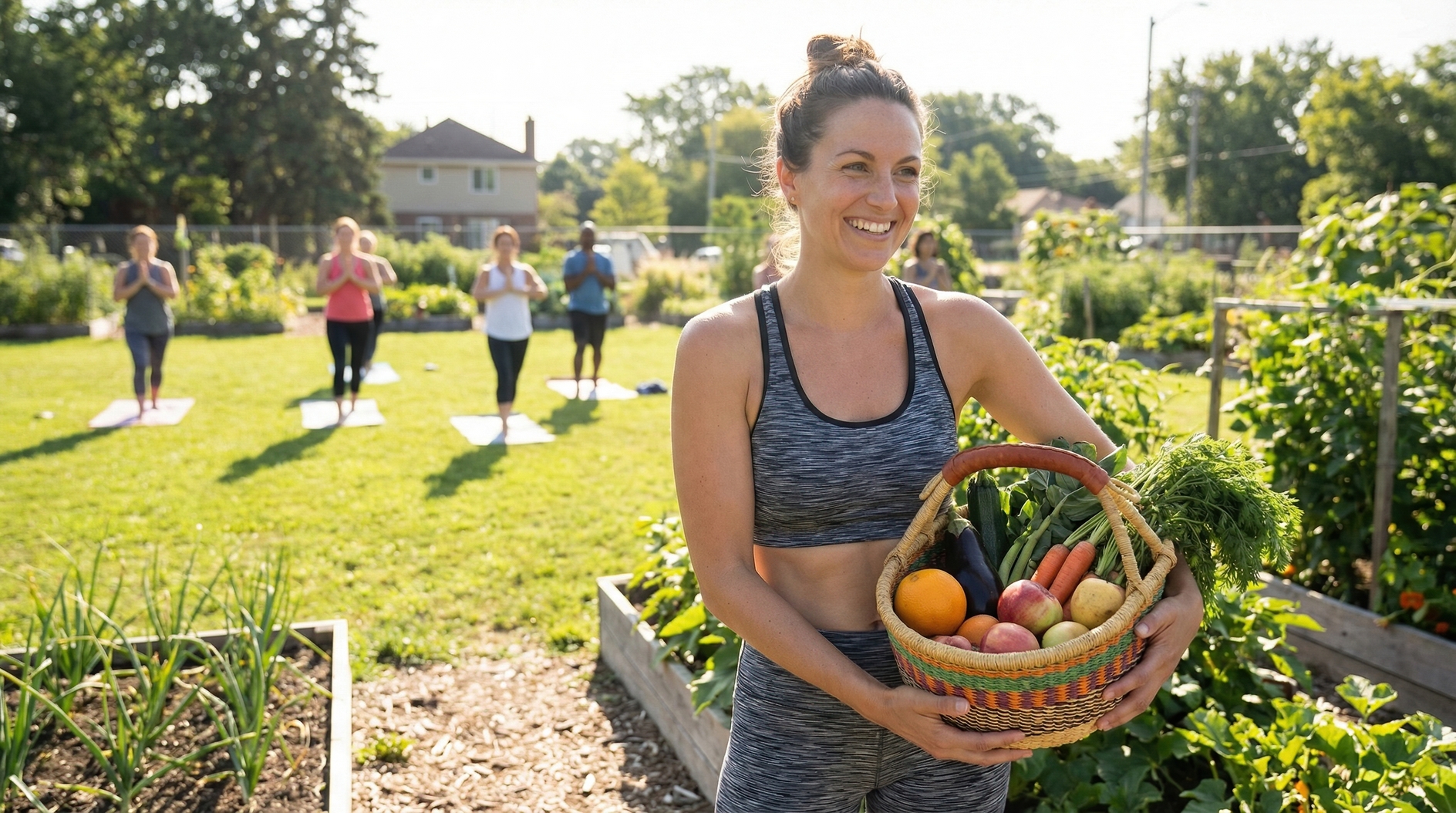
Energy is following a similar path. International energy policy work has noted growing interest in community and local energy projects, especially in cities and rural regions trying to strengthen resilience and speed up the clean-energy transition. In some countries, local ownership or partial community stakes in renewable projects are being discussed as a way to spread benefits more widely and build public support.
Social infrastructure also matters. Libraries, schools, health centers, and neighborhood groups are increasingly treated as economic assets as well as public services. They help people gain skills, meet others, and stay connected to local life. In communities facing aging populations or youth outmigration, these everyday institutions can be central to whether a place remains viable.
## A more local form of globalization
The return of local communities does not mean the end of globalization. Most places still depend on trade, outside investment, tourism, digital platforms, and migrant labor. In fact, many successful local strategies are built on global links. Rural exporters sell to world markets. Smaller cities compete for international talent. Community energy projects rely on technologies developed through global supply chains.
What is changing is the balance. Policymakers and businesses are showing greater interest in visible, local engagement. Recent discussions on economic risk and urban change have stressed that trust is often built at street level, through services, jobs, public space, and long-term presence in the places where people live.
That may prove to be the deeper meaning of the local comeback. In a world that is still highly connected, people want more of the benefits of growth to be rooted in their own communities. They want global opportunity, but they also want a stronger local stake in how that opportunity is shaped and shared.
If that balance can be achieved, the result may be neither a fully local economy nor a borderless one. It may be a more grounded version of globalization, where communities are not just exposed to global change, but better prepared to direct it.
AI Perspective
The strongest communities are often the ones that can connect local trust with wider opportunity. The current shift suggests that people still value global access, but they want daily life to feel more stable, shared, and nearby. That makes local capacity an important part of modern economic resilience, not a nostalgic alternative to it.


-134c72da.webp)


