[[[SUMMARY_START]]]
Community is being reshaped by digital life, weaker old institutions, and new public health concerns about loneliness. At the same time, local ties still matter for belonging, trust, and civic life. Governments, schools, health systems, and neighborhood groups are increasingly treating connection itself as a social need.
[[[SUMMARY_END]]]
Community in the 21st century is no longer defined only by where people live, work, or worship. It is increasingly formed across phones, platforms, interest groups, and flexible local networks. That shift has widened access for many people, but it has also raised a harder question: what happens when connection becomes broader, yet thinner?
For much of the last century, community was often tied to stable places and routines. People met through extended families, schools, unions, religious institutions, and neighborhood groups. In many countries, those structures still matter. But they now share space with a more fluid system of belonging shaped by migration, remote work, online networks, and changing family life.Public health agencies and international bodies are paying closer attention to what this change means. In 2025, the World Health Assembly adopted its first resolution on social connection, marking the issue as part of the global health agenda. The move followed growing evidence that loneliness and isolation are not just personal feelings but broad social risks with effects on mental and physical health.
A major health advisory in the United States described social connection as a strong predictor of survival and said stronger ties can improve health and well-being across communities. The same review argued that the design of housing, transport, parks, and other public spaces can directly shape how often people meet and interact.
## From place-based ties to networked belonging
One of the clearest changes is that community is now less dependent on geography alone. People still care deeply about local life, but many also build identity through online groups, professional networks, hobby circles, gaming communities, mutual-aid forums, and issue-based movements that cross borders.
That has brought real gains. Digital spaces can help people find support that may be missing nearby, especially for people with disabilities, minority identities, rare health conditions, or unusual interests. In emergencies, online groups can spread information fast and organize donations, transport, and neighborhood help.
Still, experts increasingly draw a distinction between contact and connection. A large international review released in 2025 found that governments are now treating loneliness and isolation more seriously, especially after the pandemic years exposed how fragile many social ties had become. The deeper concern is not only how many interactions people have, but whether those relationships feel dependable, meaningful, and reciprocal.
## Why local community still matters
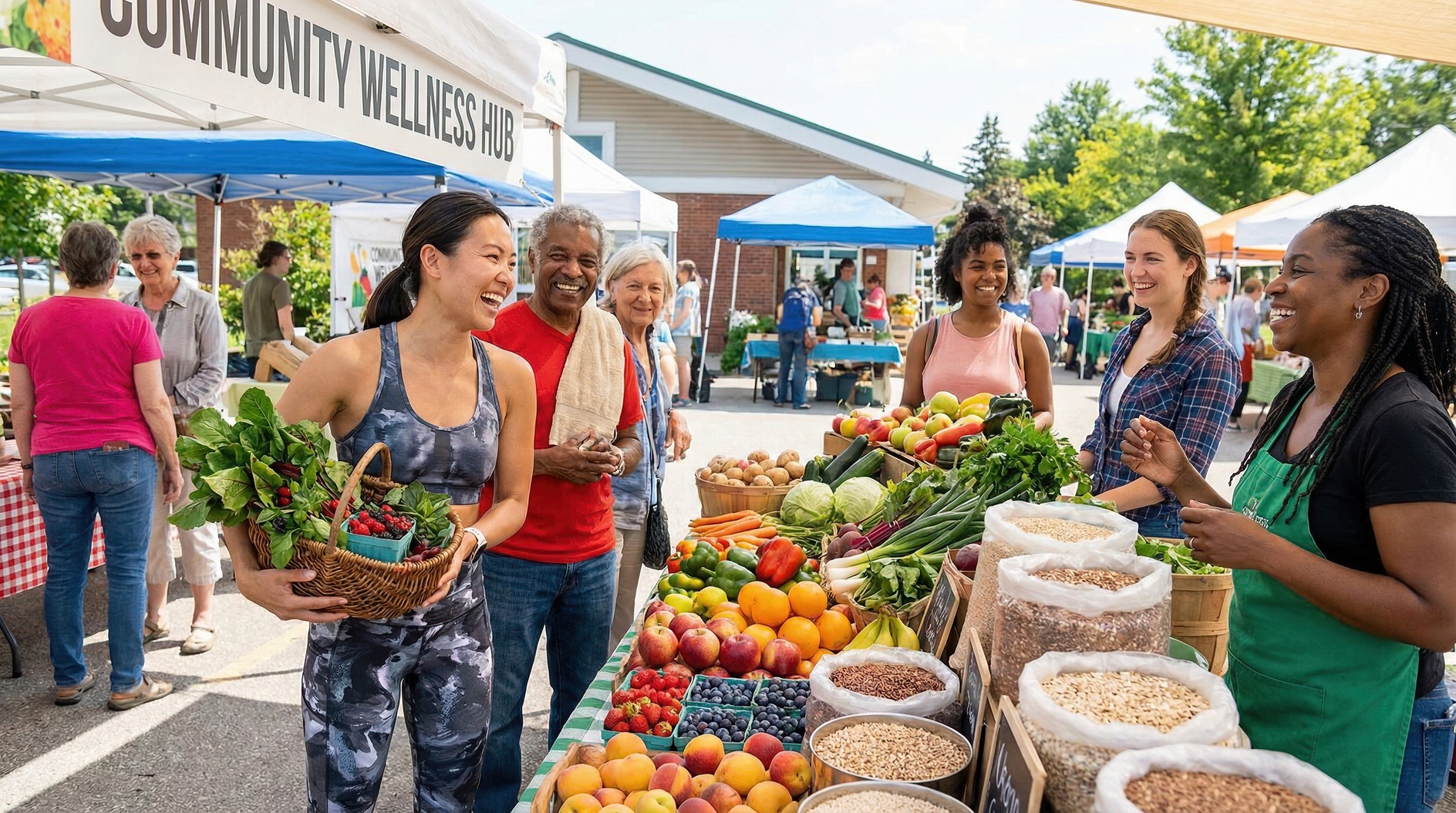
Even as life becomes more digital, attachment to place remains important. Research published in 2024 found that people who feel strongly attached to their community are more likely to be interested in local laws, policies, and elections. They are also more satisfied with the local political news and information they receive.
That matters because community is not only emotional. It is also practical. Stronger local trust can improve resilience during heat waves, storms, disease outbreaks, and economic shocks. Community groups often become the first layer of support when official systems move slowly.
## A generation searching for belonging
Young adults sit at the center of this transition. They are highly connected digitally, yet many report weak social grounding. A 2025 youth survey in the United States found that only a small minority of young adults felt deeply connected to at least one community. Many others described their ties as partial, uncertain, or absent.
That pattern helps explain why the modern debate about community is not simply about more technology or less technology. Digital tools can help people meet, learn, and organize. But they do not automatically replace in-person trust, shared routines, or the slow work of building mutual obligation.
Recent global well-being research has also pointed back to ordinary habits that sustain community. The 2025 World Happiness Report focused heavily on caring, sharing, meals, households, and young adults’ social ties. Its broader message was simple: everyday forms of support still matter, even in highly digital societies.
## Community as a policy issue
This is pushing community out of the realm of sentiment and into policy. Governments in several countries have adopted national or local strategies on loneliness. Health systems are testing ways to identify social isolation earlier. Schools are paying more attention to belonging. Urban planners are under pressure to think about whether streets, transit, benches, green space, and public buildings help people encounter one another.
The larger shift is clear. Community is no longer viewed only as a private or cultural matter. It is increasingly treated as part of public health, democratic life, and economic resilience.
That does not mean older forms of community are disappearing. Families, faith groups, neighborhoods, and civic associations still anchor daily life for millions. But in the 21st century, community is becoming more layered. It is local and digital, chosen and inherited, intimate and networked at the same time.
The challenge now is not merely to connect more people. It is to build forms of connection strong enough to support trust, care, and shared life.
AI Perspective
The modern idea of community is getting wider, but also more fragile. People can now belong in many places at once, yet many still need stronger ties close to home. The main lesson is that connection works best when digital reach and real-world trust grow together.


-134c72da.webp)


