[[[SUMMARY_START]]]
The world is adding renewable energy at record speed and putting more money and policy focus behind nature protection. At the same time, climate change, biodiversity loss and pressure on cultural and natural heritage continue to deepen. The picture in 2026 is not a simple success or failure, but a tense balance between faster progress and rising risk.
[[[SUMMARY_END]]]
In 2026, the global debate over progress and preservation is no longer abstract. Governments, businesses and communities are trying to expand energy, food systems, cities and infrastructure while also protecting ecosystems, water, forests and heritage sites. Recent data shows real gains in clean energy and environmental financing, but it also shows that the damage to the natural world is still moving faster than many protections.
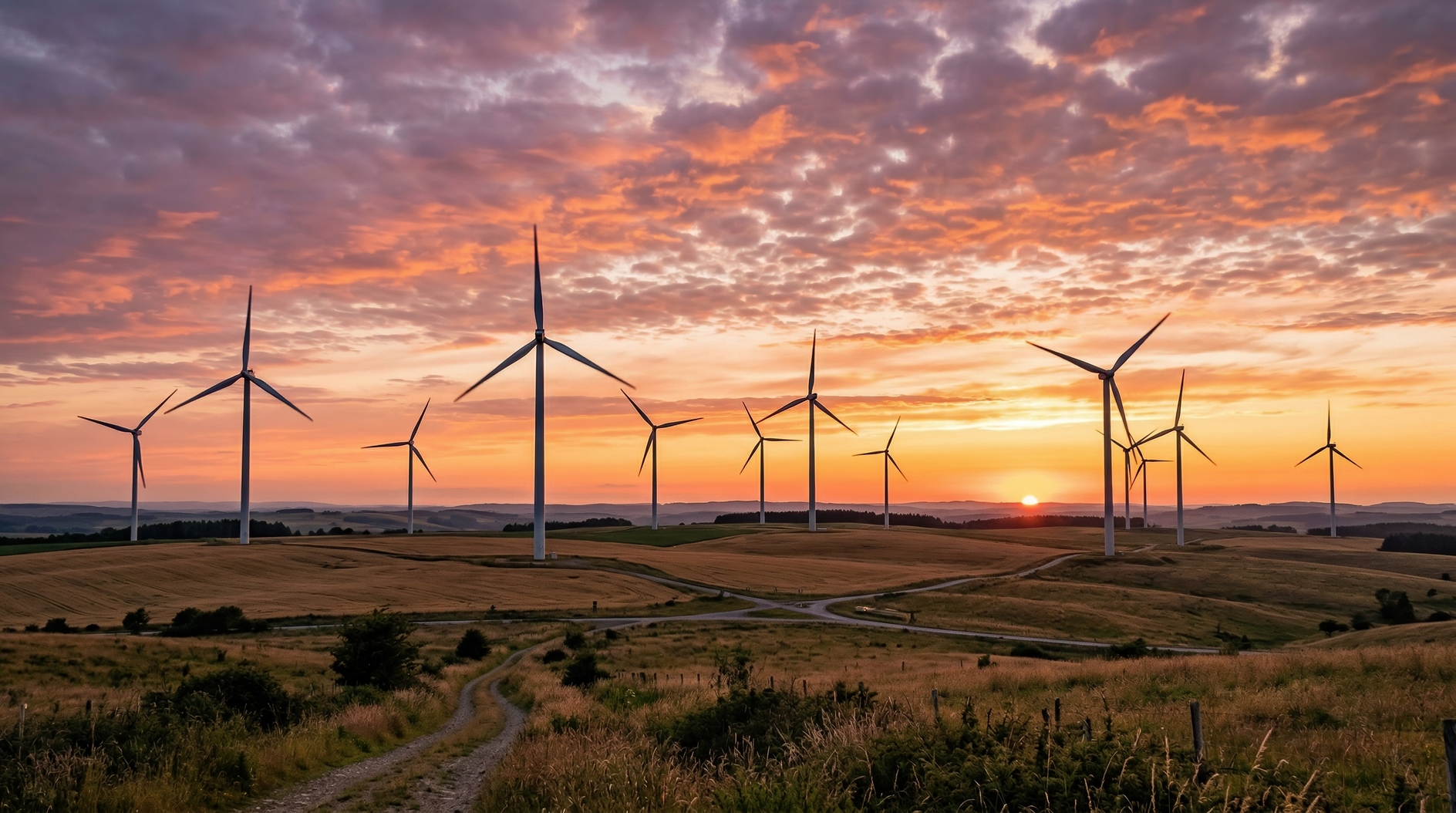
The world is making visible progress in some areas.Renewable energy is growing at a record pace. Global renewable power capacity additions reached 585 gigawatts in 2024, and renewables accounted for more than 90% of total power expansion that year. Solar and wind were the main drivers. In electricity generation, solar and wind together are expected to keep raising their share through 2025 and 2026.
That shift matters because energy is one of the clearest examples of development and preservation moving in the same direction. More clean power can support economic growth while reducing dependence on fossil fuels. In several large economies, strong growth in low-emission electricity has already started to ease pressure on coal use.
## Clean energy is moving faster
The pace of change in power systems has improved more quickly than many other parts of the environmental agenda. Falling technology costs, expanding grids and stronger policy support have helped move renewable energy from a niche option to a central part of national planning.
But this does not mean the wider environmental problem is solved. A broader global environmental assessment released late in 2025 warned that climate change, biodiversity loss, pollution and land degradation are tightly linked and cannot be handled one by one. The report said current trends still point toward severe environmental stress unless countries act faster and more jointly.
## Nature protection is growing, but the gap remains large
There has also been movement on biodiversity policy and finance. Negotiators concluded the resumed COP16 biodiversity talks in Rome in February 2025, finalizing parts of the monitoring system for the global biodiversity framework and backing a wider push to mobilize $200 billion a year for nature protection by 2030. That framework includes the widely watched goal of protecting 30% of land and sea by 2030.
New funding channels are also becoming more active. The Global Biodiversity Framework Fund, created to support countries carrying out those goals, had moved past $288 million in approved projects by mid-2025. That is still far below the scale of global need, but it shows that the finance architecture is shifting from design into operation.
Preservation is also expanding through protected landscapes. UNESCO added 26 biosphere reserves in 2025, extending an international network that links conservation with local livelihoods, research and sustainable use. These sites are designed to show that protection does not always mean exclusion. In many places, it means balancing farming, tourism, settlement and biodiversity in the same landscape.
Even so, the threats remain stark.
Global deforestation has slowed compared with past decades, with average annual forest loss falling to 10.9 million hectares in 2015-2025 from 17.6 million hectares in the 1990s. That is an important improvement. But it still means forests remain under heavy pressure from agriculture, infrastructure and land conversion.
Glaciers offer another clear warning. The United Nations marked 2025 as the International Year of Glaciers' Preservation, highlighting rapid ice loss and growing risks to water security, ecosystems and mountain communities. UNESCO has warned that glaciers in one-third of World Heritage sites containing them are projected to disappear by 2050 regardless of future emissions cuts. Recent scientific tracking also showed glacier mass shrinking again in 2024, extending a long run of losses.
That makes preservation more than a question of wildlife or scenery. It is also about freshwater, disaster risk, agriculture, tourism and cultural identity. In mountain regions, the retreat of ice is changing both daily life and long-term planning.
Cultural and natural heritage sites face similar tension. Development can bring roads, jobs, energy access and tourism income. But climate stress, unmanaged growth and heavier land use can weaken the very places that communities value and depend on. International agencies are increasingly treating heritage not as a luxury issue, but as part of climate resilience and local adaptation.
## A world trying to do both
The global picture today is mixed but clear.
Human systems are not standing still. Countries are building more clean energy, refining biodiversity targets and slowly improving some indicators such as the rate of deforestation. At the same time, the physical signs of environmental decline remain serious and visible, from glacier retreat to damaged habitats and stressed ecosystems.
So the world in 2026 stands between progress and preservation in the most literal way. It is not choosing one or the other in theory. It is struggling to keep both in practice, and the outcome will depend on whether faster development can be matched by equally serious protection of land, water, species and heritage.
AI Perspective
The most important lesson is that progress and preservation are no longer separate debates. Energy, biodiversity, water and heritage now shape the same policy choices. The challenge ahead is not only to grow, but to grow in ways that leave essential natural and cultural systems intact.


-134c72da.webp)


