[[[SUMMARY_START]]]
Digital payments are taking a larger share of everyday spending in many countries. Cards, mobile wallets and instant transfers are growing fast, while cash use keeps falling in shops and online.
Still, the move is uneven. Cash remains important for small purchases, backup use during outages, and people who face barriers to digital banking.
Governments and central banks are now trying to balance innovation with access, resilience and choice.
[[[SUMMARY_END]]]
The move toward a cashless society is no longer a bold future vision. In many places, it is becoming part of daily life, often without much public debate. People tap phones on buses, scan QR codes at market stalls, and send money instantly between bank accounts. The change has been gradual, but it is now visible across shops, public services and banking systems.
Digital payments are rising across major economies, but the pattern is more complex than a simple story of cash disappearing.In the United States, the latest national diary of consumer payments shows cash accounted for 14% of consumer payments by number in 2024. Credit cards made up 35% and debit cards 30%. Remote payments continued to grow, and adults aged 18 to 24 used mobile phones for 45% of all their payments. Even so, cash stayed stable at about seven payments per month on average, and more than 90% of consumers said they expect to use cash in the future as a payment method or store of value.
## A global shift, but not a clean break
Across the euro area, digital payments are also taking a larger role. The share of day-to-day payments made online rose to 21% in 2024, up from 17% in 2022. At physical points of sale, cash remained the most frequently used payment method, but its share fell to 52% of transactions from 59% two years earlier. Cards rose to 39%, and mobile payments, while still small, nearly doubled.
The same picture appears elsewhere: digital tools are gaining ground, but cash is not vanishing. In Europe, most consumers still say it is important to keep cash as a payment option. Many continue to use it for small purchases, person-to-person payments, or as a reserve in case digital systems fail.
The United Kingdom offers another sign of how quietly habits can change. Payment market data and industry summaries point to falling cash use and rising contactless and mobile wallet payments. Contactless card use has become the default for many everyday purchases, especially for transport, groceries and quick-service retail.
## India shows how fast payment habits can change
India is one of the clearest examples of rapid digital adoption at scale. Government data shows UPI transactions rose from 92 crore in fiscal year 2017-18 to 13,116 crore in 2023-24. By December 2024 alone, the monthly figure had reached 1,673 crore transactions. UPI accounted for 81% of digital payment transactions in fiscal year 2024-25 up to December 31, 2024.
That growth has helped push digital payments far beyond large cities. Small merchants, street sellers and service workers can now accept payments with a printed QR code and a basic smartphone. The lower cost of acceptance has widened digital payment access and changed consumer expectations around speed and convenience.
At the same time, India shows the challenges of a fast digital transition. Heavy reliance on one payment rail increases concern about outages, fraud, cyber resilience and the need for fallback options when networks fail.
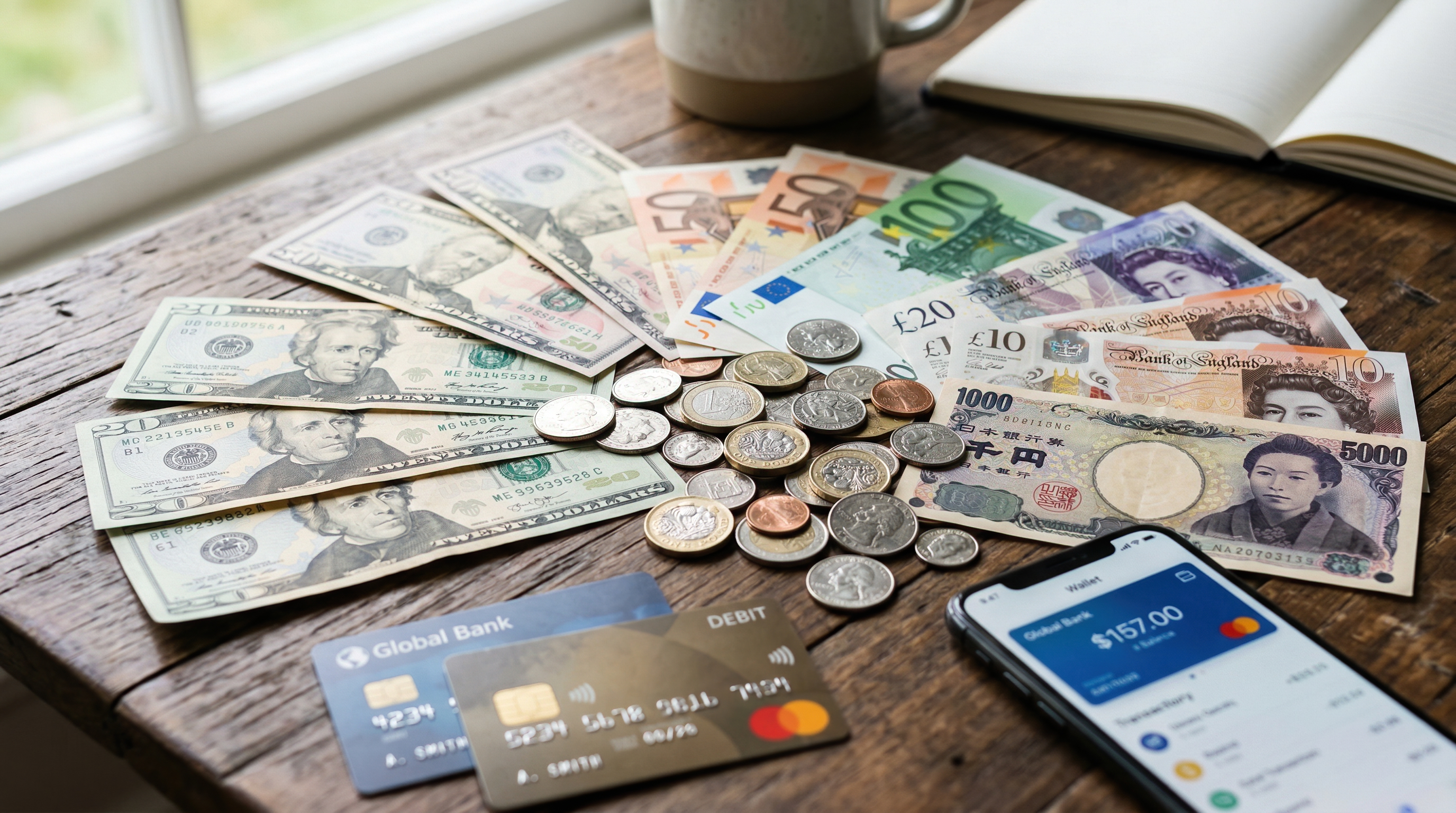
Cash remains important for several reasons. It is widely understood, does not require a device or internet connection, and can help people manage tight budgets. Older people, lower-income households and people with limited access to banking services often rely on it more heavily than others.
Central banks are paying close attention to that divide. In the euro area, nearly one in ten people surveyed in 2024 said they needed help making digital payments. A majority also said they had privacy concerns linked to digital payments and other banking activity.
There is also a resilience issue. As payment systems become faster and more digital, dependence on electricity, telecom networks, software and fraud controls becomes deeper. That has made policymakers more careful about treating cash as obsolete. Recent policy moves in several jurisdictions have focused not only on modernizing payments, but also on protecting access to cash and preserving consumer choice.
## A policy question, not just a technology story
The shift toward cashless payments is often driven by convenience, but it increasingly sits inside a wider governance debate. Governments want cheaper, faster and more traceable payment systems. Businesses often prefer lower handling costs and quicker settlement. Consumers like speed.
But the public questions are harder. Who gets excluded when cash points disappear? What happens in a blackout or cyberattack? How much privacy should people give up for convenience? And how much control should private payment platforms have over everyday commerce?
That is why the future is likely to be mixed rather than fully cashless. Digital payments will keep growing. Instant transfers, wallets and account-to-account systems will spread further. Yet cash still looks set to remain part of the payment system, not as the dominant method it once was, but as a public option, a backup tool and a form of inclusion.
The quiet shift is real. But for now, most economies are not abolishing cash. They are learning how to live with less of it.
AI Perspective
This story is really about balance. Digital payments bring speed and convenience, but cash still plays a social and practical role that technology has not fully replaced. The countries handling this shift best may be the ones that expand digital tools without treating cash users as an afterthought.


-134c72da.webp)


-6c40e5ef.webp)

-1d29b0b2.webp)
-2721737f.webp)
-55bf1fe2.webp)
-9f154954.webp)
-c76b662d.webp)
-d4c44132.webp)
-15e5ec18.webp)
-1eb7b76c.webp)
-standard-001-32820abf.webp)
-cc75401d.webp)