[[[SUMMARY_START]]]
Big cities are growing again in many places, but a clear pattern of out-migration has not disappeared. High housing costs, flexible work, and changing family needs are still pushing many people toward suburbs, smaller metros, and lower-cost regions. The result is not a simple urban exodus, but a new phase of selective movement shaped by affordability, commuting, and quality of life.
[[[SUMMARY_END]]]
The idea that people are leaving big cities is back, but the trend is more complex than a simple flight from urban life.
In the United States, large metro areas added population again in 2024, helped mainly by international migration. At the same time, many expensive urban cores continued to lose residents to suburbs, smaller cities, and lower-cost regions. Similar pressures are visible elsewhere as housing costs rise, remote and hybrid work stay common, and households rethink what they need from where they live.
Large cities are not emptying out. In fact, many have returned to growth after the sharp disruptions of the pandemic years. But many people are still choosing to move away from the biggest and most expensive urban centers, especially when they have more freedom over where they work.
That makes the current moment less of an urban collapse and more of a sorting process. People are still drawn to major cities for jobs, education, culture, and transport. Yet many are also deciding that the trade-offs are no longer worth it.
## Housing costs remain the biggest pressure
The clearest reason is affordability.
In many large cities, rents and home prices have risen faster than incomes for years. That has made city living much harder for young families, first-time buyers, and even many well-paid professionals. Smaller cities, outer suburbs, and nearby towns often offer more space for less money, even if they come with longer travel times or fewer services.
This pressure is not limited to the United States. International agencies continue to describe urban housing affordability as a global problem. As more than half of the world now lives in cities, many urban residents are facing a widening gap between housing costs and wages.
For households making practical decisions, that gap matters more than broad debates about city life. A family that can rent a larger home, buy a first property, or cut monthly costs by moving out often does exactly that.
## Remote work changed the map
Work has also reshaped migration.
The full remote boom of the early pandemic has cooled, and more employers now require in-person time. But hybrid work remains deeply important. Many workers who can work from home say they prefer a hybrid arrangement, and office attendance is still not back to old patterns.
That matters because even two or three days a week at home can expand the range of places people consider livable. A daily commute may tie a worker to the city center. A twice-weekly commute may not.
This has helped smaller metros and suburban areas compete for residents who once needed to stay close to downtown office districts. It has also changed the fortunes of some pandemic boomtowns. Places that gained residents quickly during the remote-work surge are now seeing slower growth, as high prices catch up and some workers return to offices more often.
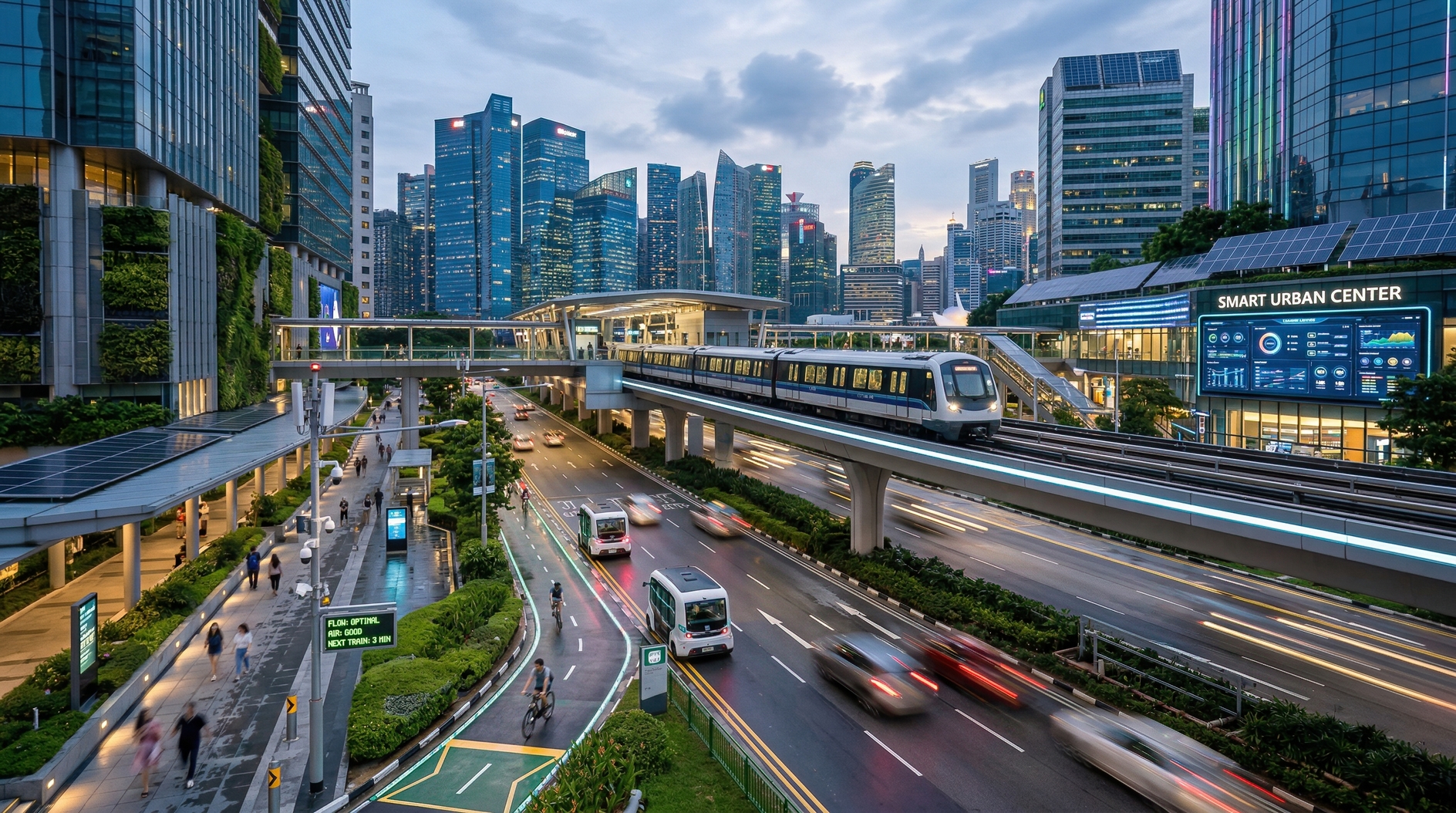
Official population estimates show that U.S. metro areas grew faster between 2023 and 2024 than in the previous year. Many large cities also posted gains. But that recovery depended heavily on international migration, while domestic outflows still affected a number of expensive urban counties.
That distinction is important. A city can grow overall while still losing existing residents to other parts of the country. New arrivals from abroad, students, and young workers can support growth even as longer-term residents move away in search of cheaper housing or a different lifestyle.
This helps explain why the public conversation can sound contradictory. Both views can be true at once: cities can be recovering, and people can still be moving away from them.
## Families, space and daily life matter more now
Another reason for the shift is life stage.
Young adults may still move into large cities for career opportunities and social life. But many people start looking elsewhere when they want more space, better access to schools, easier parking, or a quieter daily routine. That pattern is not new, but it has become easier to act on in a hybrid-work era.
Climate risks and infrastructure strain also play a role in some places. Heat, wildfire smoke, flood risk, and aging transport systems are becoming part of housing decisions, especially when residents are already paying a premium to live in dense urban areas.
The result is a more fragmented urban future. Superstar cities still have strong pull. But they face stronger competition from second-tier metros, outer suburbs, and regional hubs that offer a lower-cost version of opportunity.
## What this means for cities
The new movement away from big cities does not mean cities are losing their importance. It means they are being tested.
If urban leaders want to keep and attract residents, housing supply will be central. So will transport, public safety, schools, and the quality of everyday life. Cities that can reduce living costs without losing their economic strengths may remain highly competitive.
For now, the main story is not that people have stopped believing in cities. It is that many are asking harder questions about what city life should cost, and what they receive in return.
AI Perspective
This trend says less about people rejecting cities and more about people trying to balance work, money, and daily comfort. Big cities still offer major advantages, but high costs are pushing many households to rethink old assumptions. The places that thrive may be the ones that make opportunity feel affordable again.


-134c72da.webp)


-6c40e5ef.webp)

-1d29b0b2.webp)
-2721737f.webp)
-55bf1fe2.webp)
-9f154954.webp)
-c76b662d.webp)
-d4c44132.webp)
-15e5ec18.webp)
-1eb7b76c.webp)
-standard-001-32820abf.webp)
-cc75401d.webp)