[[[SUMMARY_START]]]
The internet is entering a new phase shaped by AI assistants, stronger platform control, national rules and more frequent shutdowns.
These changes do not mean the open web will disappear.
But they suggest that access to information may increasingly pass through closed systems, licensed data channels and government filters.
[[[SUMMARY_END]]]
For decades, the internet was widely described as open, global and easy to build on. A small website could reach readers anywhere. A new service could grow on shared standards. Search engines sent users across the web through visible links.
That model is under pressure. The next internet may still run on open technical foundations, but the experience of using it is becoming more controlled. AI systems, large platforms, national regulation and state censorship are all changing how people find, share and publish information.
One of the biggest changes is the rise of AI search and chatbot services. Instead of showing a list of links, these tools often give a direct answer. That can be useful for users. It can also reduce visits to the websites that produced the original information.
Recent research on AI summaries in search found that users were less likely to click through to outside websites when an AI answer appeared. In one widely cited browsing-panel study, users clicked a traditional search result about 8 percent of the time when an AI summary was shown, compared with about 15 percent when it was not.
Publisher analytics have pointed in the same direction. Smaller web publishers have seen sharp drops in search referrals over the past two years, while traffic from AI chatbots has not yet replaced those losses. This matters because many sites still depend on visitors for advertising, subscriptions, donations or sales.
The result is a quieter but important shift. The web may become less of a place people browse directly and more of a database that AI systems read, summarize and repackage.
## Crawlers, paywalls and permission
The old web had a rough bargain. Search engines crawled pages. Websites allowed it because search sent readers back. AI has complicated that exchange.
AI companies need large amounts of text, images, code and other material to train models or answer user questions. Many publishers, artists, forums and software communities now want more control over how their work is used. Some have blocked AI crawlers. Others are exploring licensing systems that would allow access only under agreed terms.
Infrastructure companies have also begun offering tools that let website owners block or manage AI scraping. This points to a more permission-based web. It may protect creators, but it could also make the internet more fragmented. Large companies may be able to pay for data access. Smaller developers may face higher barriers.
That is a major change from the earlier idea that public web pages were easily searchable by default.
## Platforms remain powerful gateways
Large technology platforms still shape much of the online experience. App stores decide which apps can reach phone users. Social networks set visibility rules for posts. Search engines and AI assistants decide which sources appear first, or appear at all.
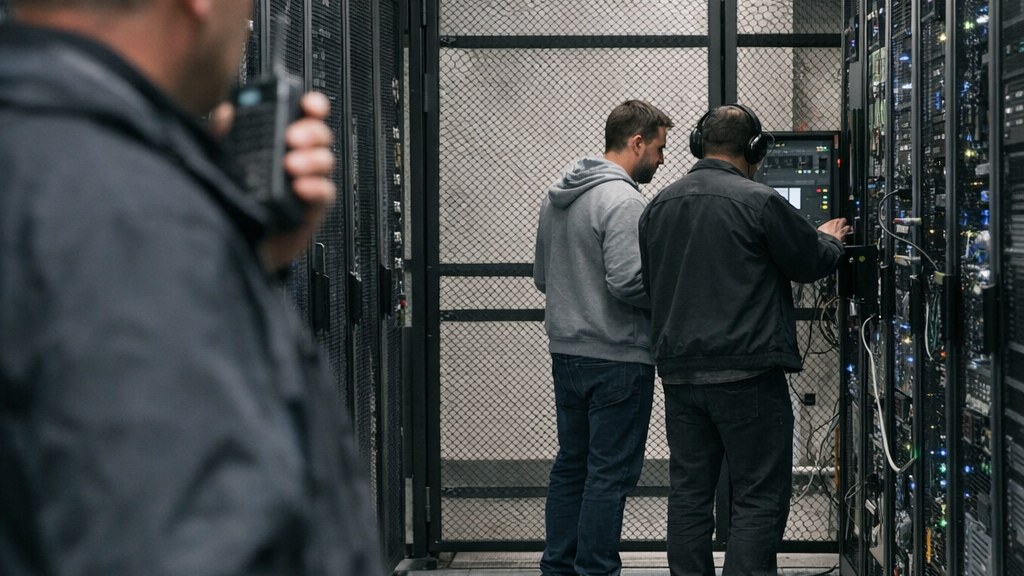
The existence of these rules shows how concentrated the online economy has become. Openness is no longer just a technical feature. It is also a policy choice, enforced through law, competition rules and consumer protections.
## Governments are drawing more borders
The internet is also being divided by national rules and political controls. Some governments require platforms to remove content, verify users’ ages or identities, store data locally, block services or restrict encryption tools.
Internet shutdowns remain one of the clearest signs of this trend. Digital rights monitors documented at least 313 shutdowns in 52 countries in 2025. That was higher than the previous year’s total. Since global tracking began in 2016, people in 100 countries have experienced at least one shutdown.
Shutdowns can be nationwide, regional or targeted at specific services. They often disrupt far more than speech. They can affect banking, transport, education, emergency communication and small businesses.
The growth of these controls has fed concern about a “splinternet,” where users in different countries do not share the same access to services, information or privacy protections.
## The open web is not gone
The picture is not entirely closed. Open standards still keep the internet connected. Independent websites, email, podcasts, open-source software and public protocols continue to matter. Universities, scientific projects, civil society groups and small businesses still rely on the web’s reach.
There are also new efforts to defend openness. Interoperability rules, data portability rights, open-source AI models, decentralized social networks and stronger transparency requirements could help keep parts of the internet accessible and competitive.
But the direction is mixed. The next internet may be faster, smarter and more personalized. It may also be more mediated. Users may see fewer raw links, fewer independent sources and more answers delivered by systems they cannot inspect.
That does not mean the open internet will vanish. It means openness may no longer be the default.
AI Perspective
The next stage of the internet is not simply about better tools. It is about who controls access, visibility and value. A more useful internet can still be open, but only if users, creators, companies and governments make that a clear priority.


-134c72da.webp)


